Human orientation
High score: the breed is very devoted to the family, although wary of outsiders. Actual behavior depends on socialization.
THE PAW CATALOG
Origin: Morocco
Aidi has been living in the Atlas Mountains and on the plateau of North Africa for centuries. Its origin is unknown: it is associated either with the Amazigh tribes or with Phoenician traders. Traditionally, he guarded tents, property and livestock from predators, and helped the servant in hunting, finding prey with his sense of smell. In the European sense, a flock is not a shepherd.
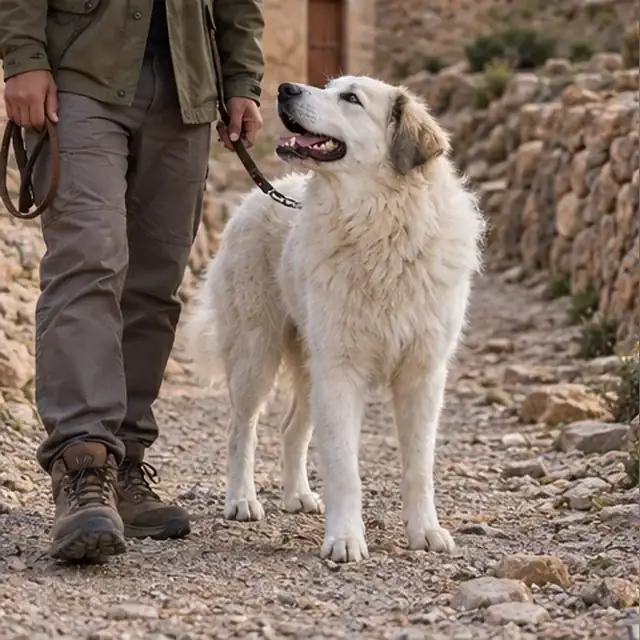
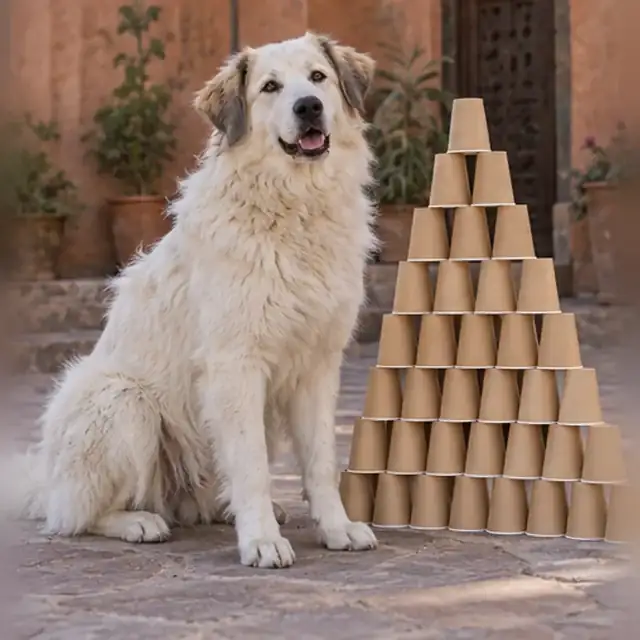
Aidi is an alert mountain dog of North Africa, the national breed of Morocco. Strong, with thick fur and a mane in males, loyal to the family and suspicious of strangers. Needs a lot of space, socialization and clear rules.

Suitable for people with a large area and experience working with guard breeds. He gets bored in a small apartment, he can destroy things. He barks willingly, suspicious of strangers, but gentle and devoted to his family.
A healthy adult dog needs significant daily activities: long walks, work, games. Without it, it is boring and destructive. The load of puppies and elderly dogs is adjusted with the veterinarian.
Instinctive, independent and strong-willed. Learning requires consistency and patience. Early socialization with people and dogs is a must, because the guarding instinct is strong. Calm authoritative communication and positive reinforcement work.
The thick double coat is combed about four times a week, and during the shedding period every day. Males have a particularly thick mane. Claws are regularly trimmed, ears and teeth are cleaned.
Gentle and devoted to his family, but big and protective. Contact with children and their guests takes place under the supervision of an adult.
He lives peacefully with dogs that grew up nearby, but he can be wary of unfamiliar animals. Early socialization and supervision during introductions are essential.
Estimates help compare breeds. For zooaggression, 5/5 means less tendency to aggression towards dogs. The behavior and health of a particular dog depend on many factors.
High score: the breed is very devoted to the family, although wary of outsiders. Actual behavior depends on socialization.
High score: the dog is smart and clever, but independent. Consistency and patience are required.
Average score: contact with other dogs and animals needs to be assessed due to the guarding instinct.
There is no comparative assessment of the survival of the "Aida" breed in the British cohort. The absence of said risk does not prove the absence of hereditary diseases, so screening of parents is important.
Average rating: thick wool is combed several times a week, and in shedding every day.
Pedigree screening: there is little detailed data on hereditary AIDS diseases. Ask the breeder for documentary results of examinations of both parents and current recommendations of the club.
Musculoskeletal system: growth and load should correspond to age. Lameness, pain, or reluctance to move require a veterinary examination. Weight control is important for a large guard dog.
A preventive examination includes an evaluation of the eyes, heart, and joints. The frequency of special inspections is determined by the recommendations of the club and the veterinarian.