Human orientation
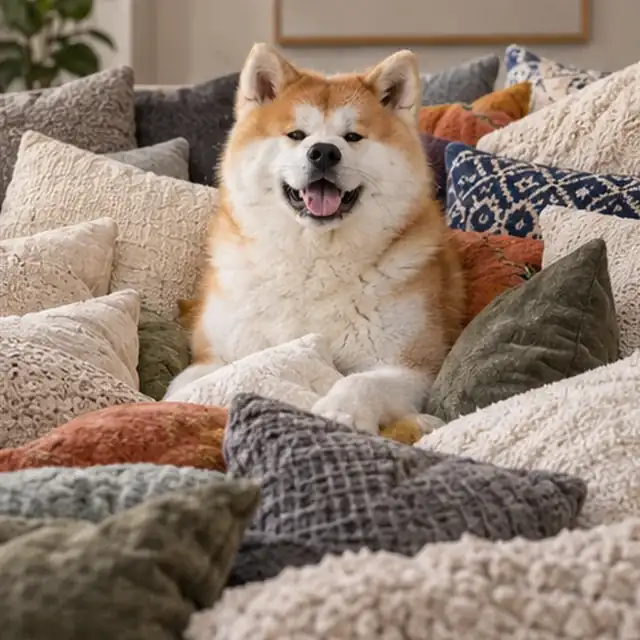
Contact with the family can be moderate: the dog is loyal, but independent. The actual behavior depends on the socialization and experience of the particular dog.
THE PAW CATALOG
Origin: Japan
The Akita originates from Akita Prefecture in Japan. Her ancestor, the Matati-inu, was used by hunters, and later noble owners bred it into a larger hunting and guard dog. In 1927, a society for the preservation of the breed was created, and during the Second World War, dogs were partially crossed with other breeds. There is a famous story about the dog Hachiko, who waited for his dead master at Shibuya station for years. The AKC and FCI consider the Japanese Akita and the American Akita as two separate breeds.
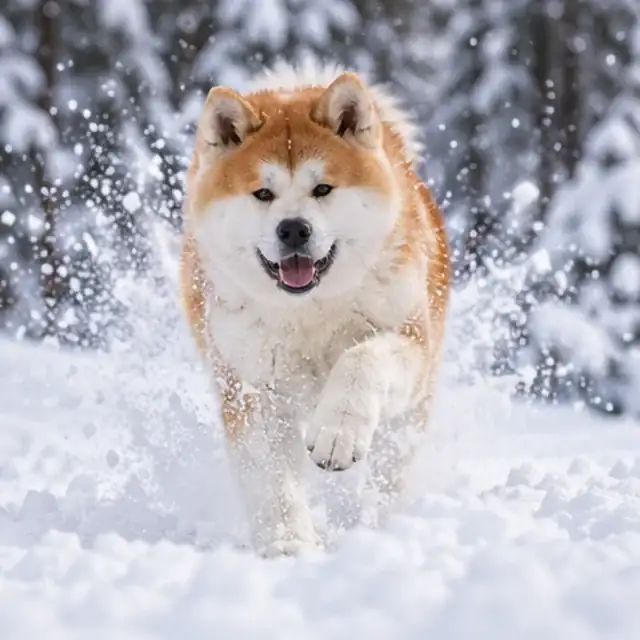
Akita is a large Japanese dog with a reserved character that requires respect for personal space. She is devoted to her master, clean-blooded and silent, and she is prejudiced towards other people's dogs. Requires experienced upbringing, gradual socialization and reliable fencing.
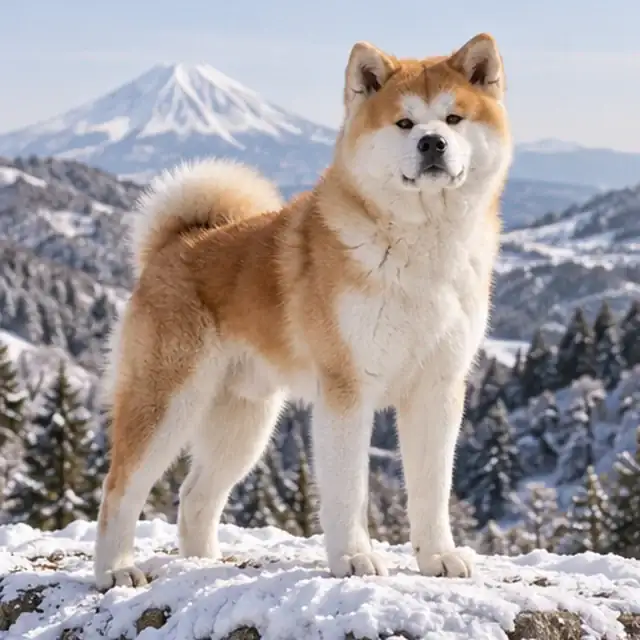
It is an independent dog that attaches itself to the family, but is not intrusive. He is silent, he barks mostly for notification, but he can become anxious from long solitude. At home, he needs firm rules and a place where he will not be disturbed. It is better not to meet other people's dogs on playgrounds.
A healthy adult Akita needs moderate activity, about an hour a day: a walk, light run, or sniffing tasks. The load of puppies and elderly dogs is adjusted with the veterinarian.
Akita is intelligent but stubborn, so training requires experience, consistency and a calm tone. Short sessions with rewards work better than pressure. Socialization begins from puppyhood and does not stop: adult dogs are often wary of other dogs.
The thick coat with undercoat is brushed at least several times a week, and twice a year during heavy shedding every day. They bathe as needed, about once every few weeks. The Akita is clean and has almost no smell, but the teeth, claws and ears also need attention.
The dog loves its own space and does not tolerate rough handling, so families with small children need strict adult supervision. The rules of calm contact are explained to the child, and a separate place is left for the dog to eat and rest.
Acquaintance with other dogs and pets is carried out gradually and extremely carefully: the breed is cool with unfamiliar dogs. It is recommended to feed her separately and avoid off-leash areas.
Estimates help compare breeds. For zooaggression, 5/5 means less tendency to aggression towards dogs. The behavior and health of a particular dog depend on many factors.
Contact with the family can be moderate: the dog is loyal, but independent. The actual behavior depends on the socialization and experience of the particular dog.
Average score: The Akita breed requires a clear regimen and regular repetitions, as well as patience and short exercises.
Low score: Getting to know other dogs requires careful supervision. The attitude towards cats and small animals is evaluated separately, early socialization is important.
In the British cohort, the median lifespan of the breed was 11.4 years. Among the described risks: hip dysplasia, bloating or stomach upset. The examination of the parents is confirmed with the veterinarian.
The coat is combed at least several times a week, and more often during seasonal shedding. Care needs regularity, especially during molting.
Hip dysplasia is considered one of the main problems of the breed. Parents are checked with an X-ray, and a healthy weight helps to reduce the load on the joints.
Bloating or twisting of the stomach is an emergency condition that requires immediate help. It is advised to feed twice a day instead of one large reception and to know the signs: unsuccessful attempts to vomit, distended stomach, restlessness.