Human orientation
Contact with the family can be moderate: the dog is loyal, but reserved and independent. The actual behavior depends on the socialization and experience of the particular dog.
THE PAW CATALOG
Origin: Japan; development in the USA
After World War II, the American military imported dogs from Japan, and these were mostly heavier, bear-like Deva animals. In the 1950s, other types were imported to the United States, and they developed separately from the Japanese ones. In 1999, the FCI recognized the American Akita and the Japanese Akita as separate breeds. The first Akitas in America were the dogs of Helen Keller, who got two Akitas in the late 1930s.
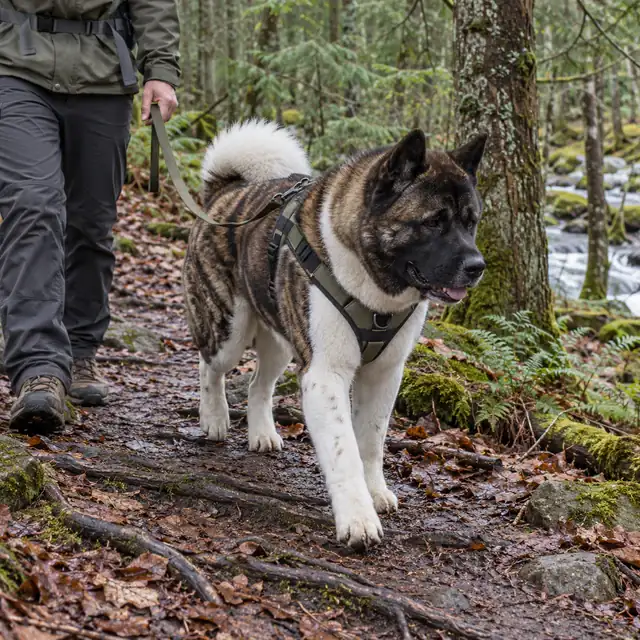
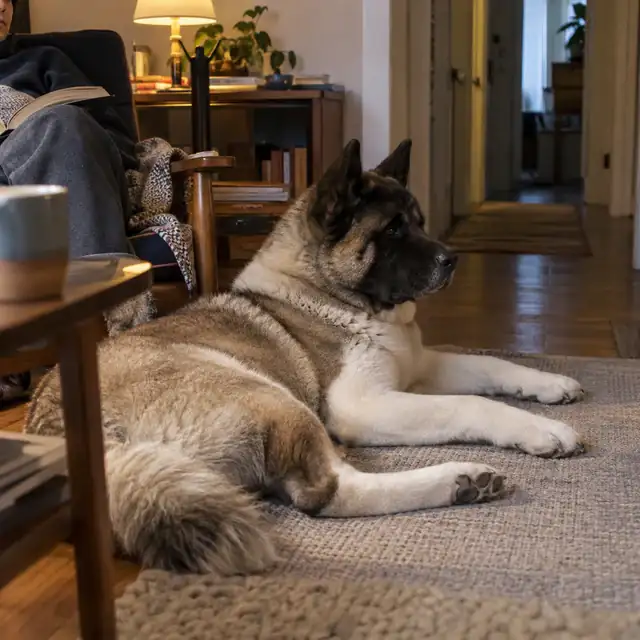
The American Akita is a large and powerful dog with a reserved disposition and strong build. Devoted to her family, she is distrustful of other people's dogs. Requires experienced upbringing, careful socialization and reliable fencing.

This is a large dog that needs space, structure and people who know how to set the rules calmly. He is devoted to his family, but reserved with strangers and can be anxious when alone. Well suited to owners with experience with large and independent breeds.
A healthy adult Akita is fine with daily walks, sniffing tasks, and short activities, about an hour of exercise per day. The load of puppies and elderly dogs is adjusted with the veterinarian.
Training requires consistency, a calm tone and respect for the dog's personal space. Short sessions with rewards are more effective than pressure. Socialization with people and dogs begins from puppyhood: adult Akitas are often wary of other dogs.
The double coat is combed about four times a week, and more often during the two annual shedding waves. They bathe as needed. Teeth, claws, ears and skin are regularly examined, weight is monitored.
The dog is strong and does not tolerate rough treatment, so an adult always works with children. The rules of calm contact are explained to the child, and a separate place is left for the dog to eat and rest.
Acquaintance with other dogs is carried out gradually and carefully: the breed can be intolerant of strangers. It is better to feed her separately, and avoid playgrounds without a leash. Small animals are evaluated separately.
Estimates help compare breeds. For zooaggression, 5/5 means less tendency to aggression towards dogs. The behavior and health of a particular dog depend on many factors.
Contact with the family can be moderate: the dog is loyal, but reserved and independent. The actual behavior depends on the socialization and experience of the particular dog.
Trainability is average: the breed "American Akita" needs a steady regime, motivation and a patient owner.
An average score means that contact with other dogs requires an individual assessment. The attitude towards cats and small animals is evaluated separately, and early socialization is important.
There is no comparable survival estimate for the breed in the British cohort used. The absence of the mentioned risk does not prove the absence of hereditary diseases, so the results of the parents' examinations should be clarified with the veterinarian.
The coat is combed about four times a week, and daily during shedding. The volume of hair and the strength of a large dog make grooming a significant burden.
Common hereditary diseases of the breed are not described in detail, so you should rely on the current list of examinations recommended by the club and on the documentary results of both parents.
A large breed requires control of growth, weight and load. Lameness, pain, or reluctance to move require a veterinary examination.
A preventive examination includes an evaluation of the eyes and heart; the frequency of special inspections is determined by the recommendations of the club and the veterinarian.