Human orientation
The breed is usually willing to interact with the family and gets along well with people. The actual behavior depends on the socialization and experience of the particular dog.
THE PAW CATALOG
Origin: United States of America
The ancestors of cocker spaniels were used to raise birds in the Middle Ages. In the United States, the AKC recognized the breed in 1878, and in 1946 divided the American and English Cocker Spaniel into two breeds. The American Cocker has several times topped the rating of the country's most popular breeds. The color can be black, any solid except black, or mottled.
The American Cocker Spaniel is a cheerful, outgoing spaniel with a distinctive long coat. Learns willingly, but gets excited easily. Requires regular grooming, ear control and daily playtime with the family.
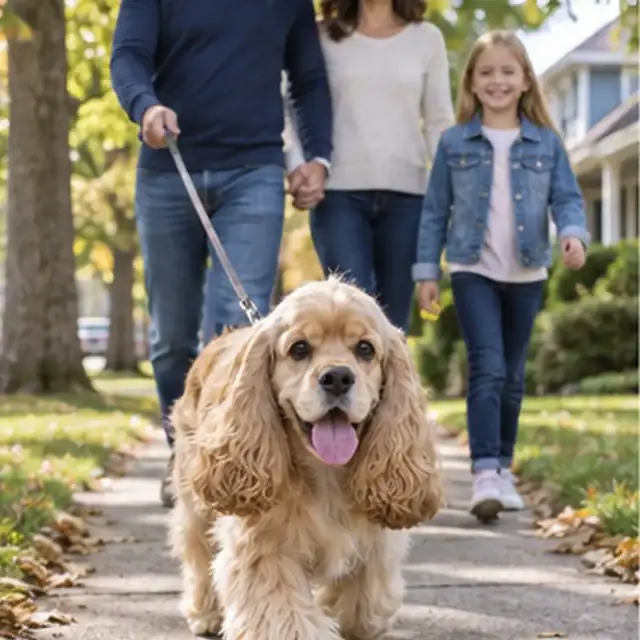
It is suitable for living in an apartment and a house, if it walks and plays every day. Friendly to guests, gets along with other animals. May bark more often than desired, and some dogs are overly submissive and become confused when raised their voice. Needs regular care and attention.
A healthy adult dog needs daily long walks, light running or active games. With enough movement, he becomes a calm house dog. The load of puppies and the elderly is adjusted with the veterinarian.
Wants to please and learns quickly, but excitability interferes with obedience. Training with food as a reward and short, fun activities gives the best results. Mandatory obedience gives control and mental strain. Care should be taken not to increase urination from submissiveness with sharp intonations.
The long, silky coat needs to be brushed about four times a week, otherwise tangles form. Professional grooming and haircuts are required approximately once a month. The eyes are cleaned of hair, and the ears are examined weekly.
Usually gets along very well with children. An adult still monitors the game, explains the rules of calm contact, and leaves a separate place for the dog to eat and rest.
Usually gets along well with other dogs and pets. Acquaintances are made gradually, and early socialization helps to preserve these qualities.
Estimates help compare breeds. For zooaggression, 5/5 means less tendency to aggression towards dogs. The behavior and health of a particular dog depend on many factors.
The breed is usually willing to interact with the family and gets along well with people. The actual behavior depends on the socialization and experience of the particular dog.
The breed learns well with consistent training. Short sessions with a reward without forceful coercion work, and excitability needs to be calmed down.
The breed usually gets along well with other dogs. The attitude towards cats and small animals is assessed separately; early socialization helps.
In the British cohort, the median lifespan of the breed was 13.3 years. The absence of the mentioned risk does not prove the absence of hereditary diseases, so the results of the parents' examinations should be clarified with the veterinarian.
Low rating: The long coat is brushed about four times a week, and requires regular grooming, eye cleaning and ear checks. The costs of time and money for care are noticeable.
It is worth checking the current list of examinations of breeding dogs and asking for documentary results of both parents. Check with the breeder and veterinarian for specific diagnoses.
The breed is prone to gaining weight, and excess weight puts a strain on the joints. Height, condition and load should be appropriate for age; lameness or pain requires a veterinary examination.
The eyes should be cleaned of hair, and the long ears should be examined weekly, because they are prone to inflammation. Preventive examination includes eyes and heart; the frequency of inspections is determined by the veterinarian.