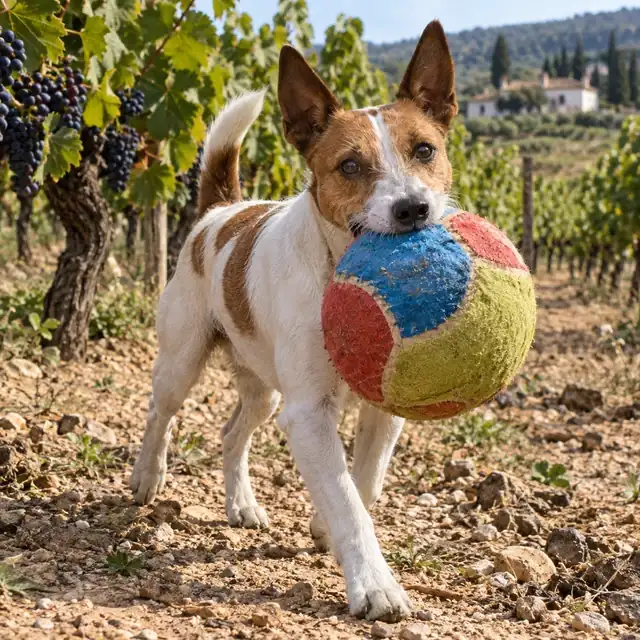
Human orientation
Moderately high rating: The breed is attached to the family, but independent, like most terriers. Actual behavior depends on socialization.
THE PAW CATALOG
Origin: Spain
The breed was formed in the south of Spain, where English wine merchants brought fox terriers, and they were crossed with local dogs. In the 20th century, Toy Terrier blood was added. The first club of the breed appeared in 1993, and Spanish cynologists recognized it as local in 2000. In 2020, Jerez de la Frontera declared it an intangible cultural heritage. Has previous FCI recognition.
The Andalusian Terrier is a lively medium-sized terrier bred in Andalusian wine cellars to fight rodents. Clever, brave and sociable, but with a strong hunting instinct. Needs training, reliable calling and special attention if there are small animals at home.
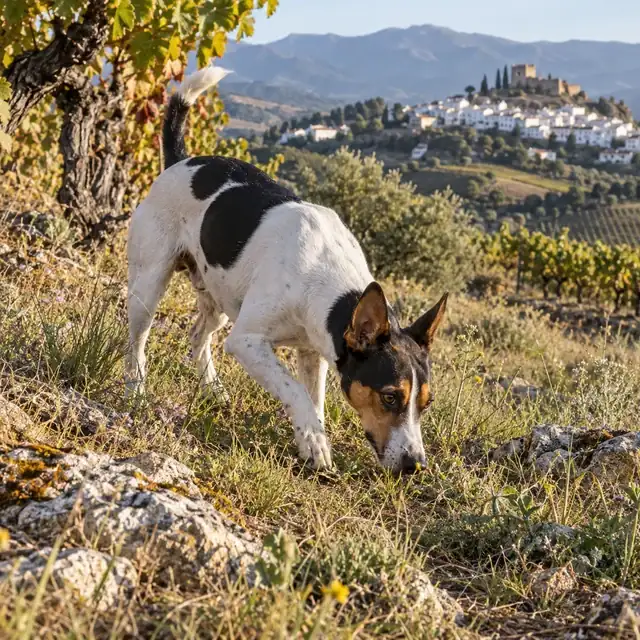
Suitable for active people and families, where the dog is given time. He is small in weight, 8-12 kg, and can live in an apartment provided daily walks and classes. At home, he is an attentive watchman, so barking at strangers is part of his behavior.
A healthy adult dog needs daily walks, games and mental tasks: smell games, search, agility. Without classes, he finds entertainment himself. The load of puppies and elderly dogs is adjusted with the veterinarian.
Smart and willing to work, but independent by terrier habit. Effective short, varied activities with treats, games of search and smell. The call is practiced early and carefully: the movement of a rodent or a cat easily turns on the chase.
Short dense wool needs to be combed about once a week, more often during shedding. They bathe as needed. Claws are regularly trimmed, ears and teeth are cleaned.
According to the description of the breed club, it gets along well with children, but is lively and loud in the game. An adult monitors the contact, and the rules of calm behavior are explained to the child. The dog needs a place to rest.
The hunting instinct is developed: rodents, small birds and cats can be perceived as prey. Acquaintance is carried out gradually and under control. Early socialization is required with other dogs.
Estimates help compare breeds. For zooaggression, 5/5 means less tendency to aggression towards dogs. The behavior and health of a particular dog depend on many factors.
Moderately high rating: The breed is attached to the family, but independent, like most terriers. Actual behavior depends on socialization.
Average score: there is no comparable data for the Andalusian Terrier breed, so the score is neutral. The actual behavior depends on the socialization and experience of the particular dog.
An average score means that contact with other dogs requires evaluation, and with small animals - special caution due to the hunting instinct.
There is no comparative assessment of the survival of the "Andalusian Terrier" breed in the British cohort. The absence of said risk does not prove the absence of hereditary diseases, so screening of parents is important.
High rating: for the breed "Andalusian Terrier" weekly combing and usual hygienic care is enough.
Breed screening: detailed data on hereditary diseases of the breed are few, because it is new and few. Ask the breeder for documentary results of examinations of both parents and current recommendations of the club.
Musculoskeletal system: growth and load should correspond to age. Lameness, pain, or reluctance to move require a veterinary examination. For medium-sized terriers, an examination of the knee joints is useful.
A preventive examination includes an evaluation of the eyes, heart and teeth. Male puppies sometimes have undescended testicles, so this is checked by the vet at the first examination.