Human orientation
Moderate rating: The hound works independently, although he is attached to the family. Actual behavior depends on socialization.
THE PAW CATALOG
Origin: Italy
The breed was described as a separate type in 1882 in the pages of the Italian hunting magazine "La Caccia" (according to ENCI), and the national cynological club ENCI approved the standard in 2005 and fully recognized it in 2010. The hound is used in the mountains for hare and wild boar. Genetically, the breed is compared to Maremma segujo. Has previous FCI recognition.
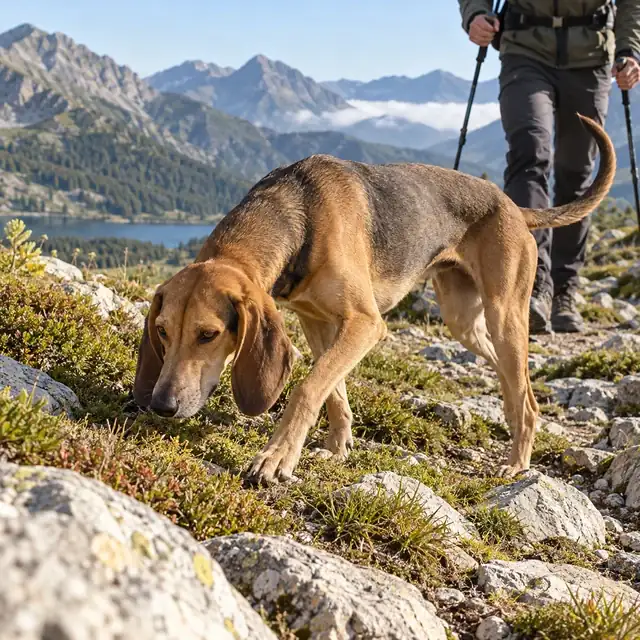
The Apennine Hound is a medium-sized Italian Hound for working on the mountain slopes, the smallest of the four Italian Segugios. Hardy, works independently, in pairs or in a small flock. Needs long walks, olfactory work and reliable calling.
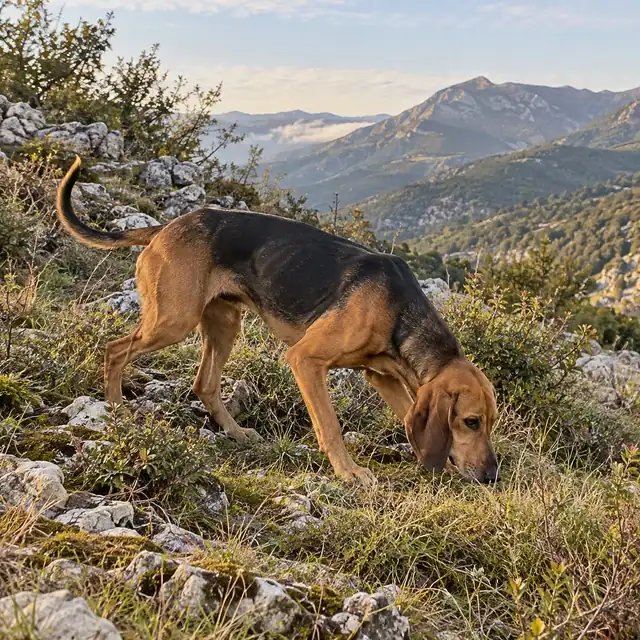
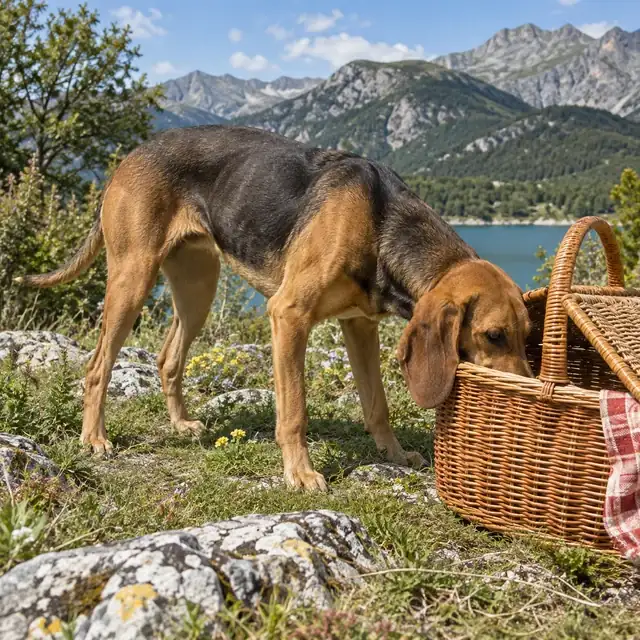
More suitable for hunters and active people in a country house than city families. Without long movement and nose work, the hound is bored. Sensing the smell, he can follow the trail, so walks outside the fenced area need supervision.
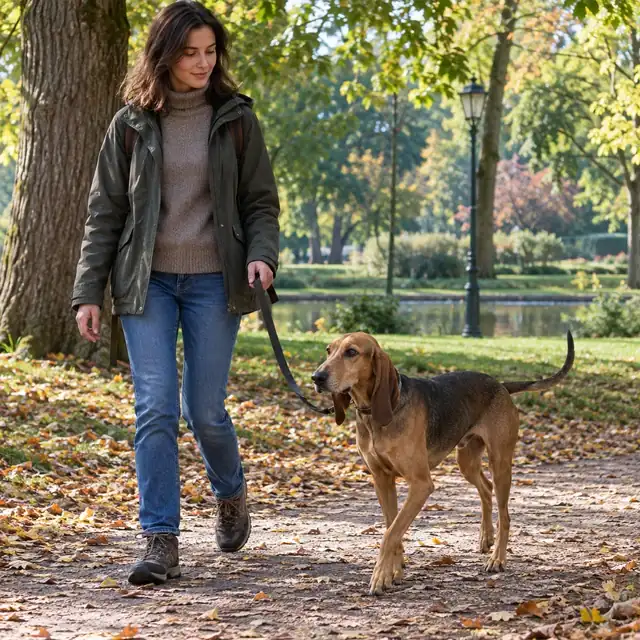
A healthy adult dog needs long walks and nose work every day. Free running is safe only in a fenced area. The load of puppies and elderly dogs is adjusted with the veterinarian.
An independent hunter, so training requires patience. Olfactory games, valuable treats and short activities work. Calling is practiced on a long leash, and free running is allowed only in a safe area.
There are smooth-coated and hard-coated versions. The wool is combed approximately once a week, and more often during the molting period. After walks, the skin, paws and ears are examined. They regularly brush their teeth and trim their nails.
Usually patient with children, but can be too energetic in active play. An adult monitors the contact, and the dog is left with a separate resting place.
Used to working in a small pack, so he usually gets along with other dogs. Small animals can be perceived as prey, so acquaintance with them is carried out gradually.
Estimates help compare breeds. For zooaggression, 5/5 means less tendency to aggression towards dogs. The behavior and health of a particular dog depend on many factors.
Moderate rating: The hound works independently, although he is attached to the family. Actual behavior depends on socialization.
Neutral assessment: there is no sufficient comparative data on the "Apennine hound" breed. The behavior of a particular dog depends on socialization and experience.
Average score: contact with other dogs is usually normal, and small animals are evaluated separately due to their hunting instinct.
There are no comparable survival data for the Apennine Hound breed in the British cohort used. Just because no risk is listed doesn't mean it doesn't exist: screening parents remains important.
High score: the coat is combed about once a week, and the rest of the care is easy. The main expenditure of time falls on movement.
Breed screening: there is little detailed breed health data, so the breeder is asked for documentary results of examinations of both parents and current recommendations of the club.
Musculoskeletal system: growth and load should correspond to age. Lameness, pain, or reluctance to move require a veterinary examination. Mountain work loads the joints, so the condition of the paws and joints is monitored.
A preventive examination includes an evaluation of the eyes, heart, and ears. Long hanging ears are cleaned and dried after water.