Human orientation
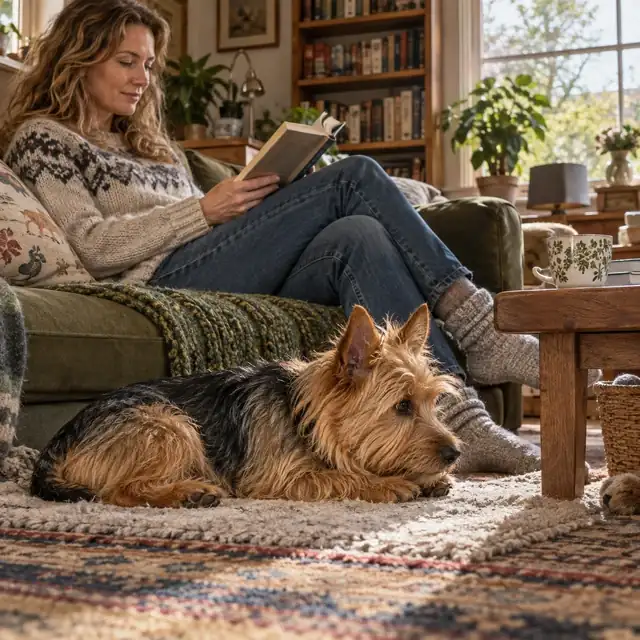
The breed is usually willing to make contact with the family. The actual behavior depends on the socialization and experience of the particular dog.
THE PAW CATALOG
Origin: Australia
The ancestors of the breed are terriers brought to Australia by British colonists: Scottish Wirehaired Pointers, as well as Cairn Terriers, Dandy Dinmonts, Norwich Terriers, Skye Terriers and Yorkshire Terriers. Dogs were kept on farms, in docks and mines, where they caught rodents and snakes. In the FCI classification, it belongs to group 3, section 2.
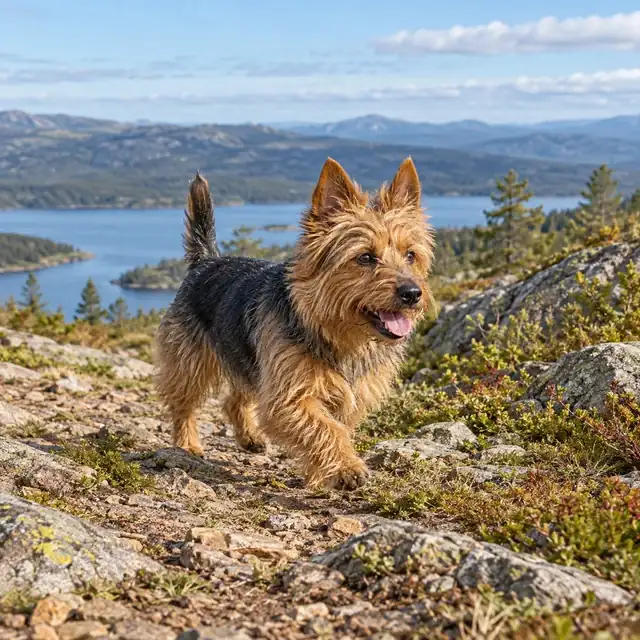
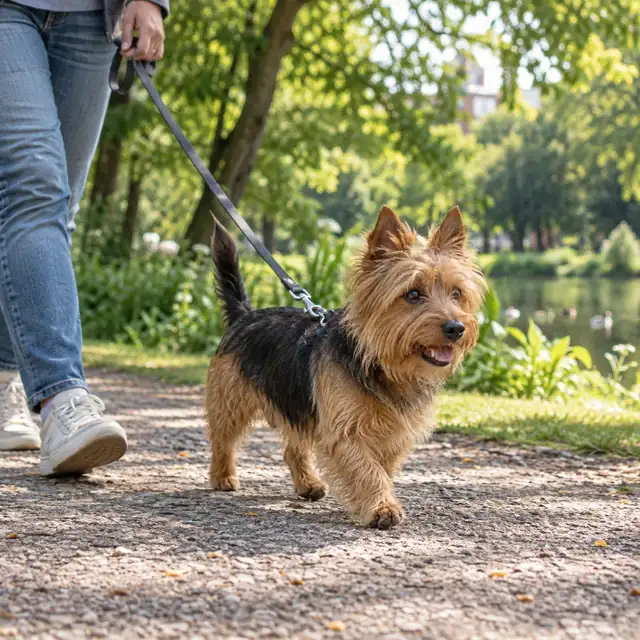
The Australian terrier is a small, lively terrier with a stiff coat, the smallest of the working terriers. Intelligent, loyal and cheerful, he feels good both in the city and outside, if he walks every day and has something to do for his nose. Barking and likes to dig, so a patient owner is necessary here.
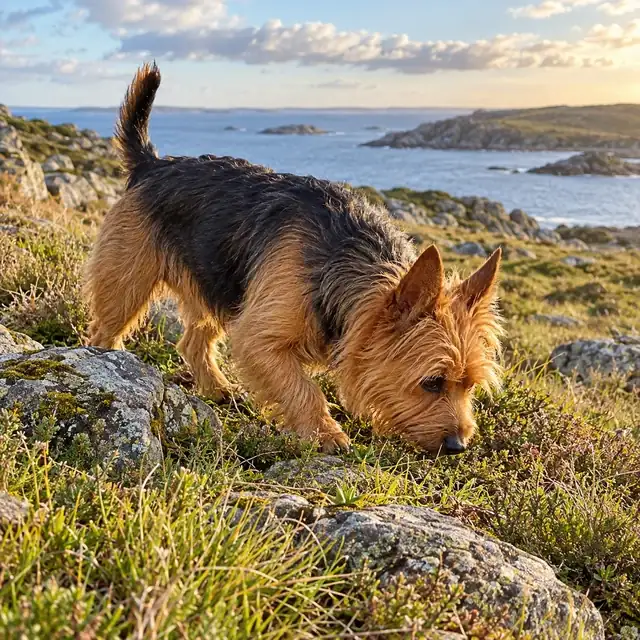
A compact dog that is suitable for both an apartment and a house if it gets daily exercise. Barks, especially as a watchman, so agreement and training with neighbors is required. There will probably be digging in the yard, so the fence must be secure. He does not like to be alone for a long time.
For a healthy adult dog, a combination of walks, olfactory tasks and short activities is suitable. The need for movement is moderate to high, so daily play and walks are a must. The load of puppies and elderly dogs is adjusted with the veterinarian.
The dog is smart, but a stubborn character can be manifested if he is taught carelessly: without early rules, he begins to "command" people. Short fun activities with a reward are suitable. The terrier's instinct to chase small prey requires practicing calling and calm behavior.
The coat is hard on top and softer on the bottom, so it is combed about twice a week, and more often during the shedding period. If necessary, the stiffness of the coat is maintained by trimming, it is better to learn it from an experienced groomer. Teeth, claws, ears, skin and weight are also regularly checked.
He gets along well with children, to whom he has been accustomed since childhood, but rough play can irritate him, and the dog is capable of lashing out. An adult monitors contact, and the rules are explained to the child: do not pull, do not wake up, and do not take away toys.
Acquaintance with other dogs and pets is carried out gradually. His hunting background makes him prone to perceive small animals as prey, so early socialization and supervision are especially necessary.
Estimates help compare breeds. For zooaggression, 5/5 means less tendency to aggression towards dogs. The behavior and health of a particular dog depend on many factors.
The breed is usually willing to make contact with the family. The actual behavior depends on the socialization and experience of the particular dog.
The Australian Terrier breed learns well with consistent training. Short, non-forced reward sessions work best.
Contact with other dogs requires an individual assessment. The attitude towards cats and small animals is evaluated separately, early socialization is important.
There is no comparable survival estimate for the breed in the British cohort used. Among the described breed risks: dislocation of the patella. The examination of the parents is confirmed with the veterinarian.
The coat is combed approximately twice a week, and the skin, ears and claws are also regularly inspected. The actual time spent depends on the length of the coat, the season and the lifestyle of the dog.
Patellar dislocation, where the kneecap dislocates, is listed in the breed profile as a possible risk. It can be manifested by periodic limping. The results of the parents' examinations are clarified with the breeder, and the need for treatment is determined by the veterinarian.