Human orientation
Contact with the family can be moderate: the dog is attached, but independent. The actual behavior depends on the socialization and experience of the particular dog.
THE PAW CATALOG
Origin: Austria
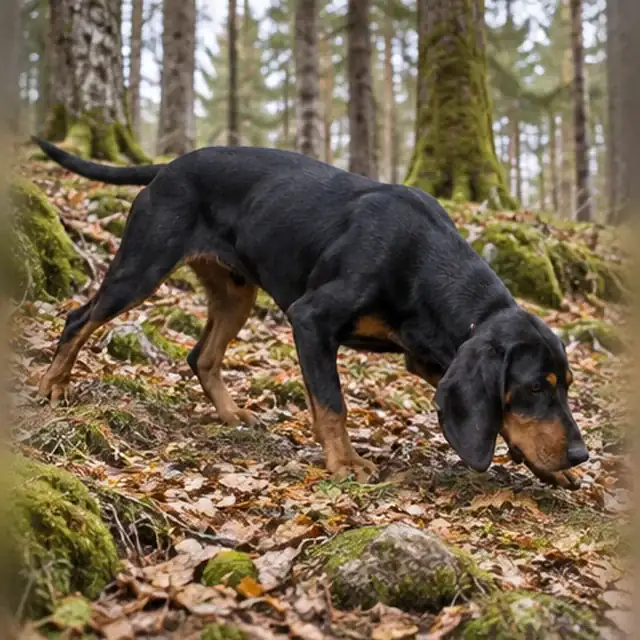
The ancestors of the breed are considered Celtic hounds, possibly with Swiss Jurassic hounds. Systematic breeding in Austria began in the 19th century, and in 1884 a society was created, in the register of which the first black and tan hound named Bergmann was entered. FCI recognized the breed in 1954. The dog works on wounded game, mostly hares, in the mountains.
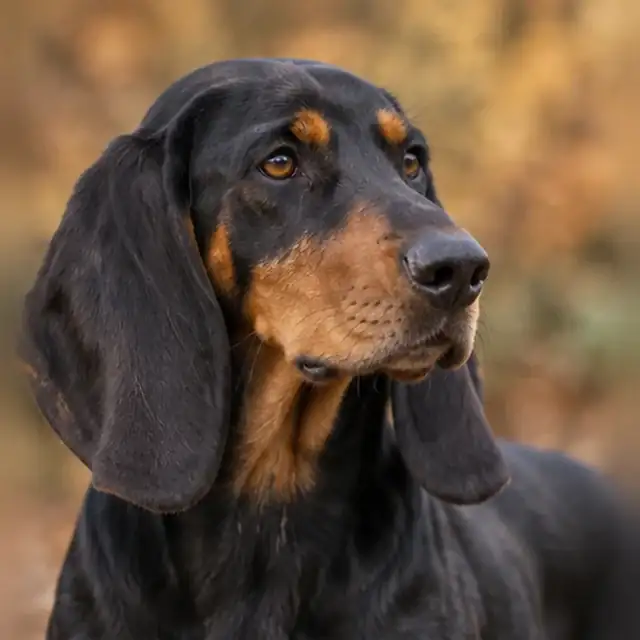
The Austrian Black and Tan Hound is a medium-sized hound with a comfortable voice, bred for sniffing in mountainous terrain. Gentle and good-natured at home, he needs space and olfactory tasks. He will be cramped in a city apartment.

Suitable for hunters or active people with a country house where there is space. The hound likes to run, but his strong sense of smell can take him far, so walks require a long leash and a reliable fence. A pleasant voice means that barking in the apartment will be a problem.
A healthy adult dog needs long walks, a place to run freely in a safe environment and sniffing tasks. For puppies and elderly dogs, the load is adjusted with the veterinarian.
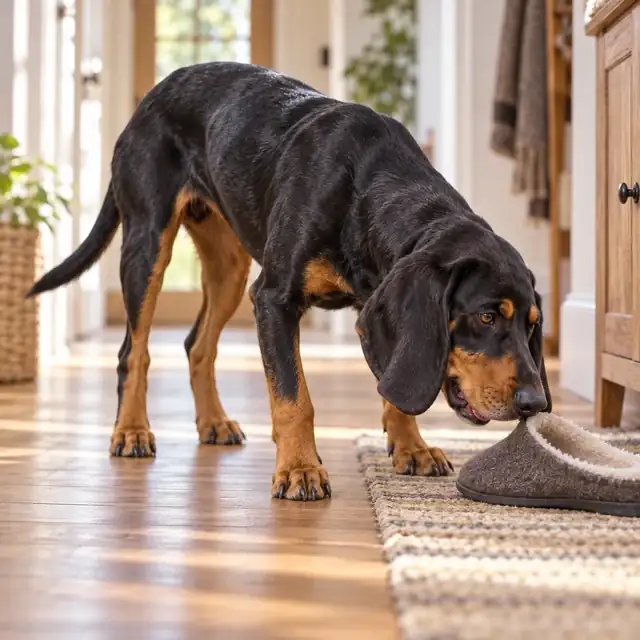
Olfactory tasks are the basis of training: the dog works willingly if he sees the meaning. Classes are short, rewarding, without coercion. Calling is especially difficult, because the smell "turns off" hearing, so it is practiced on a long leash with a very valuable reward.
The smooth, short, dense coat is easy to care for, but is estimated to require brushing about four times a week, more frequently during shedding. Regularly inspect the ears, claws, teeth and skin after walks.
The dog is described as good-natured and gentle, but its size and energy require adult supervision. The rules of calm contact are explained to the child, and a separate place is left for the dog to eat and rest.
Acquaintance with other dogs and pets is carried out gradually. As a hunting dog, it tends to follow and may perceive small animals as prey, so supervision is required.
Estimates help compare breeds. For zooaggression, 5/5 means less tendency to aggression towards dogs. The behavior and health of a particular dog depend on many factors.
Contact with the family can be moderate: the dog is attached, but independent. The actual behavior depends on the socialization and experience of the particular dog.
Average score: training the breed "Austrian Black and Tan Hound" requires a clear regime and regular repetition. The owner will need patience, motivation and short, consistent exercises.
An average score means that contact with other dogs requires an individual assessment. A hunting background affects the attitude towards small animals, so early socialization is important.
There is no comparable survival estimate for the breed in the British cohort used. The absence of the mentioned risk does not prove the absence of hereditary diseases. The typical lifespan of the breed is 12-14 years.
The coat is combed about four times a week, and after walks it is checked for ticks. Basic care is simple, but the need for long walks adds time.
Specific hereditary diseases for the breed are not described, so you should rely on the general list of examinations that are requested from the breeder. Ask both parents for results.
Healthy joints are important for an active hound. Height and load are selected according to age, and lameness or reluctance to move require a veterinarian's examination.
During routine examinations, the veterinarian evaluates the eyes and the heart; the frequency of special inspections is determined by the recommendations of the club.