Human orientation
The breed is usually willing to make contact with family and get along with famous people, and is wary of strangers. The actual behavior depends on the socialization and experience of the particular dog.
THE PAW CATALOG
Origin: Austria
The ancestors of the pinscher are the old Austrian farm pinschers, common at the end of the 19th century. Systematic breeding work began in 1921, and in 1928 the Austrian Kennel Club recognized the breed as the Austrian Smooth Pinscher. It received its current name in 2000. After the Second World War, the breed almost disappeared, and now its breeding is limited. The FCI classifies her as Group 2, Section 1.1.
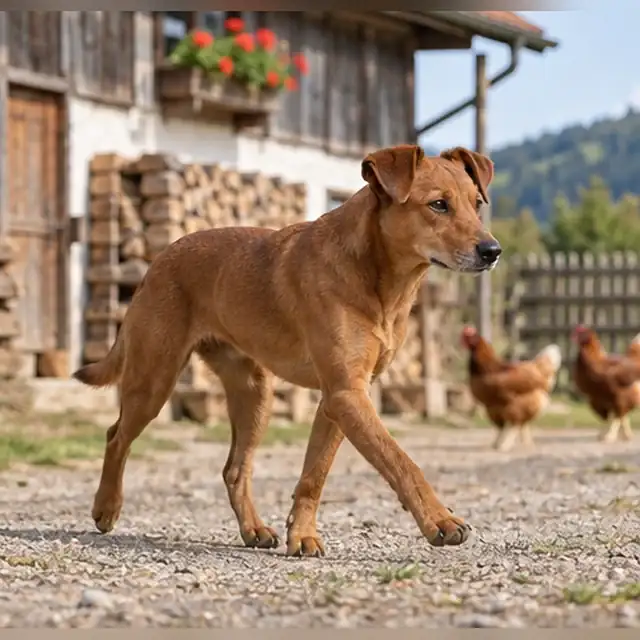
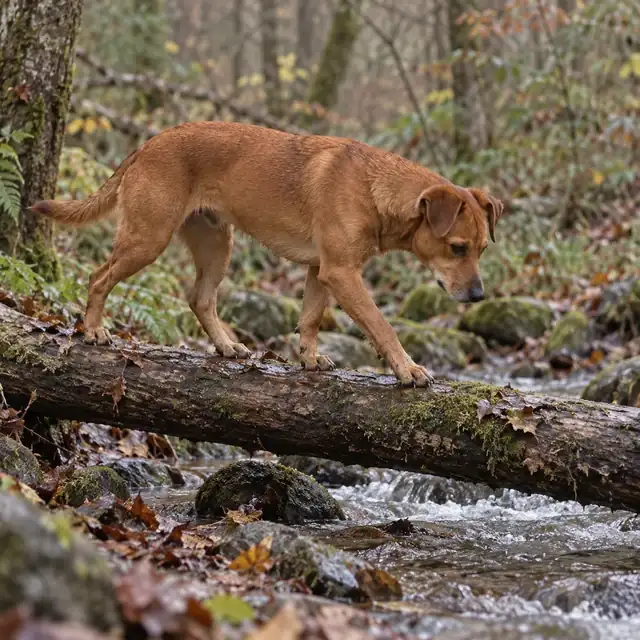
The Austrian Pinscher is a medium-sized farm dog with a strong build, which is playful and loyal at home, but suspicious of strangers. Protects the yard perfectly and does not lend itself to bribery. Requires consistent training, early socialization and active walks together.
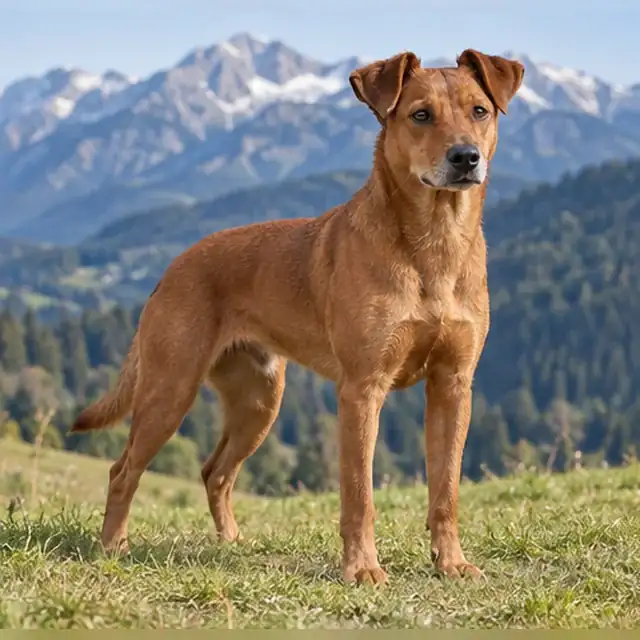
The dog was born for farm life: guarding the yard, catching rodents and being close to the owners. In a city apartment, he will need long walks and real work. At home, he gets along with people he knows, but is wary of strangers, so guests need a slow introduction.
Daily walks, sniffing tasks, and short sessions are suitable for a healthy adult dog. He is lively and loves to play, so boredom quickly turns into barking or biting. The load for puppies and elderly dogs is adjusted with the veterinarian.
The owner needs a clear regime and sequence: the breed is a watchdog, and stubbornness can manifest itself if the rules are unstable. Short sessions with rewards are more effective than long ones. Early familiarity with people and places prevents suspiciousness, and separately develops calling and calmness.
A smooth coat with a thick undercoat needs brushing about once a week, and more often during shedding. Teeth, claws, ears and skin are checked regularly, weight is kept within the norm. They bathe as needed.
The dog is playful and loyal to the family, but its watchful character and strength require adult control. The child is explained how to calmly approach and play, and the dog is left a separate corner for food and rest.
The breed has a poorly developed hunting instinct, but caution is required with unfamiliar dogs. Acquaintances are carried out gradually, and with cats and small animals - under supervision.
Estimates help compare breeds. For zooaggression, 5/5 means less tendency to aggression towards dogs. The behavior and health of a particular dog depend on many factors.
The breed is usually willing to make contact with family and get along with famous people, and is wary of strangers. The actual behavior depends on the socialization and experience of the particular dog.
Average score: learning requires a clear regime and regular repetition. The owner needs patience, motivation and short, consistent exercises.
An average score means that contact with other dogs requires an individual assessment. The attitude towards cats and small animals is evaluated separately, early socialization is important.
There is no comparable survival estimate for the breed in the British cohort used. The absence of the mentioned risk does not prove the absence of hereditary diseases, so the results of the parents' examinations should be clarified with the veterinarian.
High score: The smooth coat is brushed about once a week, and regular skin, ear and claw inspections take little time. Low maintenance costs do not negate the need for daily activities.
Due to the small size of the breed, few systematic data on its health have been collected, so it is worth relying on the specific results of the parents' examinations. Ask the breeder what checks have been carried out and whether they meet the club's recommendations.
A strong structure does not eliminate the need to monitor the joints. Growth and load are selected according to age, and lameness, pain or reluctance to move require a veterinary examination.
During a routine checkup, the veterinarian evaluates the eyes and heart. The frequency of special inspections is determined by the recommendations of the club and the veterinarian.