Human orientation
Medium-high rating: good-natured, friendly. Behavior depends on upbringing.
THE PAW CATALOG
Origin: France
Descended from the Cantal mountain region of Auvergne in central France from ancient local hunting dogs. He lives in Kantala for more than two centuries. The FCI recognized it as a French Ligava with the 1955 standard, and the British Kennel Club - from April 1, 2016.
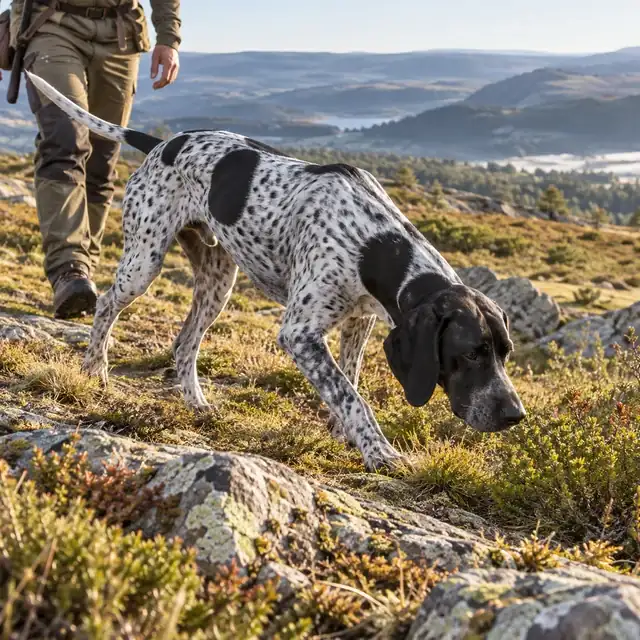
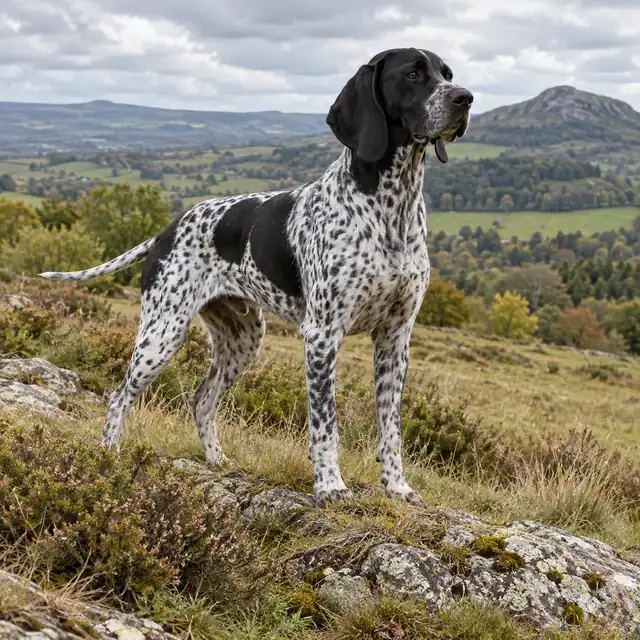
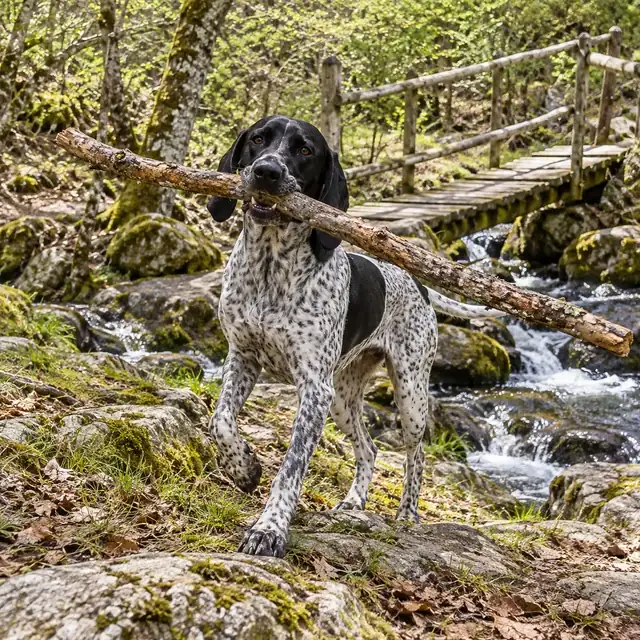
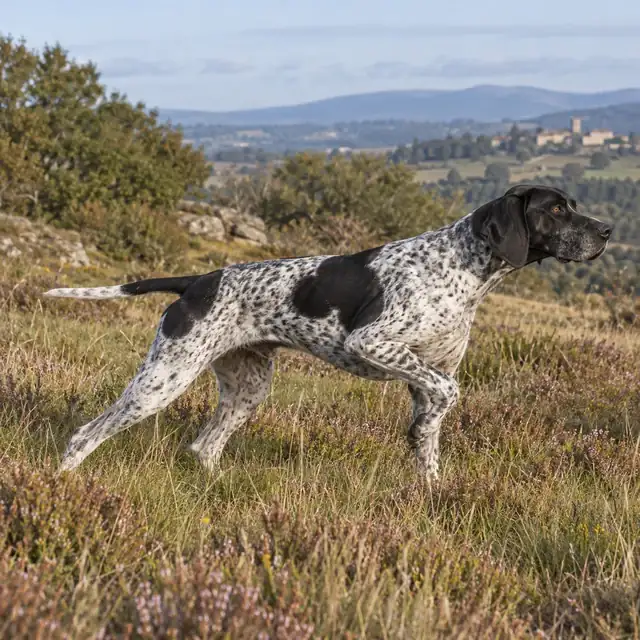
The Auvergne breed is a medium (51-65 cm) French universal hunting pointer with a short shiny coat: white with black dots that give a blue tint and large black spots. Smart and good-natured. Requires a lot of movement and active work.
Suitable for hunters and active owners. Can be a family favorite, but needs a lot of exercise.
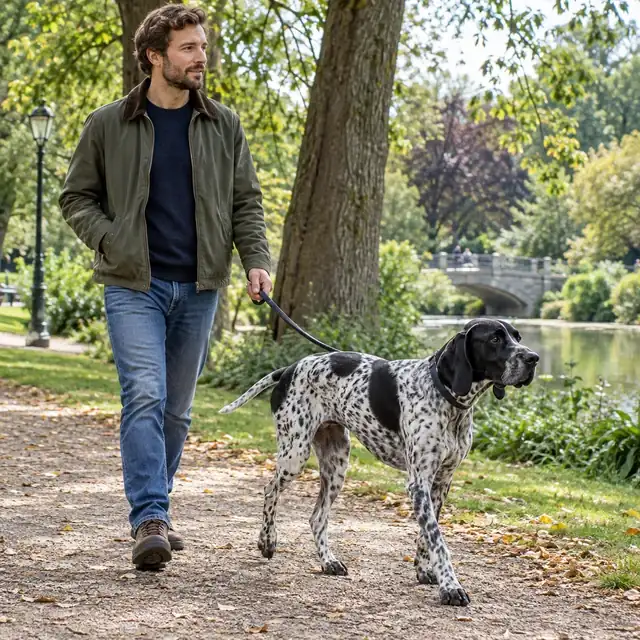
Long daily walks, running and hunting or sniffing work are required.
Intelligent and good-natured, so it is relatively easy to learn. Consistency, early socialization and regular work are required.
The short coat is wiped and combed once a week. Ears are examined especially, nails are trimmed, teeth are cleaned.
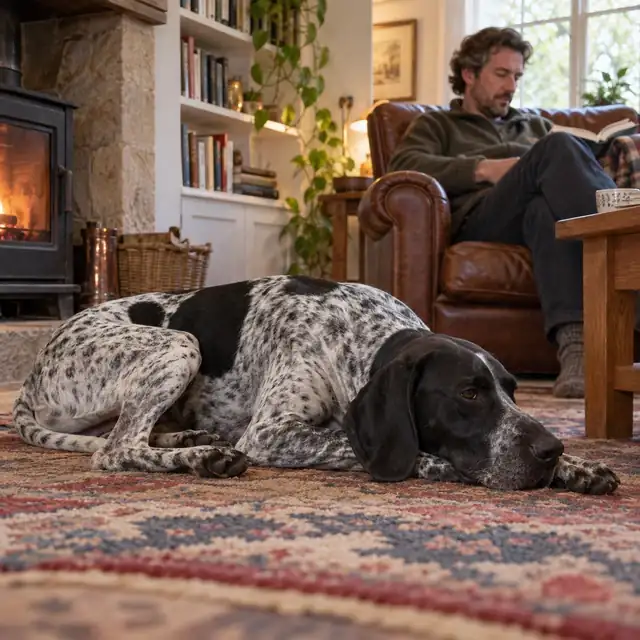
Good-natured, usually gets along well with family and children. Energetic games under supervision.
The hunting instinct remains, so birds and small animals are prey. Usually gets along with dogs.
Estimates help compare breeds. For zooaggression, 5/5 means less tendency to aggression towards dogs. The behavior and health of a particular dog depend on many factors.
Medium-high rating: good-natured, friendly. Behavior depends on upbringing.
Medium-high score: intelligent and amenable to learning.
Average score: hunting instinct needs control.
There is no comparable survival estimate for the breed in the British cohort used. The absence of the mentioned risk does not prove the absence of hereditary diseases.
High rating: short coat requires minimal maintenance.
Pedigree screening: there is little reliable data on hereditary diseases of the Auvergne breed, so the results of examinations of both parents should be requested in writing.
Musculoskeletal system: growth, weight and load of the Auvergne breed should correspond to age. Pain, lameness, or reluctance to move require a veterinary examination.
Eyes and heart are checked during routine examinations. The frequency of special examinations is determined according to the recommendations of the club and the veterinarian. It is useful to keep the results in the veterinary passport.