Human orientation
Average score: the breed is independent and moderately affectionate. Actual behavior depends on socialization.
THE PAW CATALOG
Origin: Central Africa; patronage of Great Britain
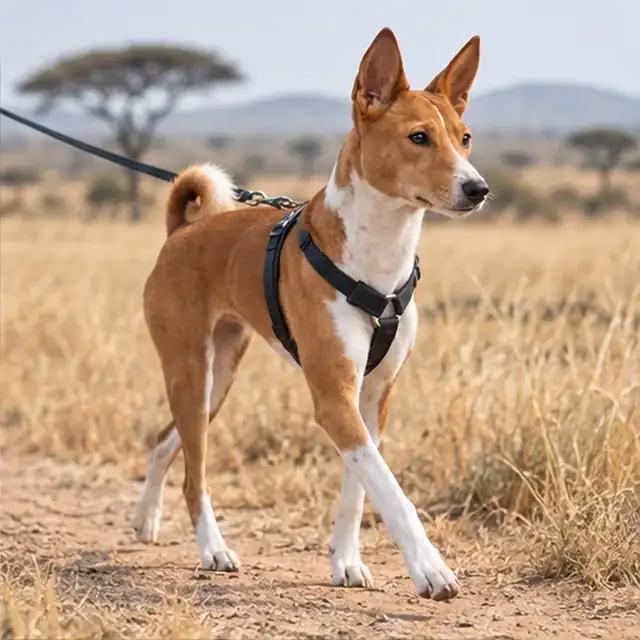
Basenji belongs to the oldest breeds that have survived to this day. Such dogs are depicted in Egyptian art, and in Africa they lived semi-wild for centuries. They were brought to Europe at the end of the 19th century, and the first litter in the USA was born in Boston. Hunters used the breed for hunting in thick thickets.
Basenji is a medium ancient hunting breed from Central Africa that hardly barks. Independent, alert and pure-blooded, like a cat. Needs daily exercise, high fencing, patience and screening for Fanconi syndrome.

Suitable for people who like independent dogs and are ready to provide high fencing, movement and mental challenges. Instead of barking, the Basenji emits a characteristic "yodeling". Being bored can destroy things.
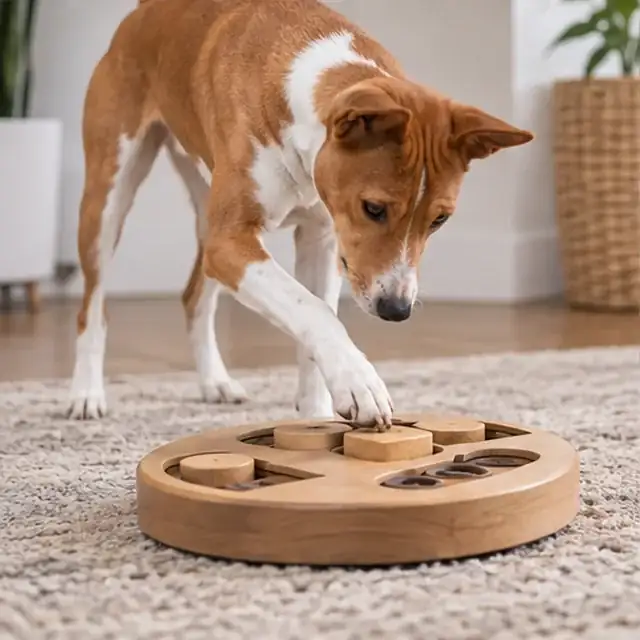
A healthy adult dog needs significant exercise and various activities every day: coursing, agility, sniffing games. The fence should be high and strong. The load of puppies and elderly dogs is adjusted with the veterinarian.
Intelligent, strong-willed and quickly bored. Short positive activities with valuable rewards work. Calling is unreliable, so free running is allowed only in a fenced area.
Short hair takes care of itself like a cat, so brushing about once a week is enough. Ears are checked and cleaned weekly, teeth are brushed regularly, bathed as needed.
Gets along moderately well with children, especially older ones. An adult monitors the contact, and the rules of a calm game are explained to the child.
Contact with other dogs and strangers is moderate. The hunting instinct is strong, so cats and small animals are introduced gradually and under control.
Estimates help compare breeds. For zooaggression, 5/5 means less tendency to aggression towards dogs. The behavior and health of a particular dog depend on many factors.
Average score: the breed is independent and moderately affectionate. Actual behavior depends on socialization.
Low rating: independence and willpower of the breed make training difficult. Patience and short interesting classes are required.
Average score: contact with other dogs and animals needs to be evaluated due to the hunting instinct.
In the British cohort, the median lifespan of the breed was 12.1 years (small sample: 30 deaths). Among the described breed risks: Fanconi syndrome, progressive retinal atrophy, eye and thyroid diseases. The examination of the parents is confirmed with the veterinarian.
High score: Basenji care is easy: brushing about once a week and standard hygiene.
Fanconi syndrome is a kidney disease in which the body loses nutrients. Early diagnosis allows you to maintain the condition with supplements, and in advanced cases the disease is dangerous. For breeding dogs, the DNA status must be checked, and in case of suspicion, a veterinary diagnosis is required.
Progressive Retinal Atrophy PRA-BJ1: The DNA test covers one form of the disease and is used in conjunction with regular eye exams.
Hereditary eye diseases: The breed club recommends regular checkups with a veterinary ophthalmologist throughout life.
Thyroid gland: laboratory evaluation of thyroid gland function is recommended for purebred dogs, because among the risks of the breed, hypothyroidism is described.