Human orientation
High score: affectionate and sociable. Behavior depends on upbringing.
THE PAW CATALOG
Origin: France
It originated in Brittany in western France, where it was used to track deer, rabbits and wild boar. Representatives of the breed are fondly called "Fove".
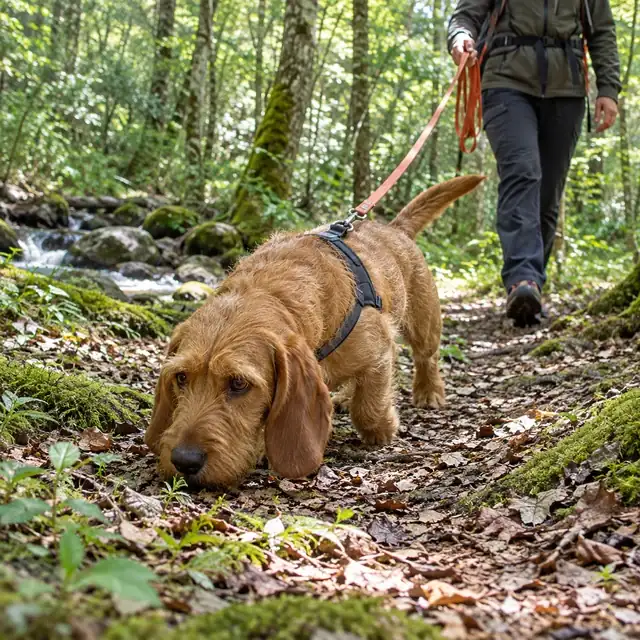
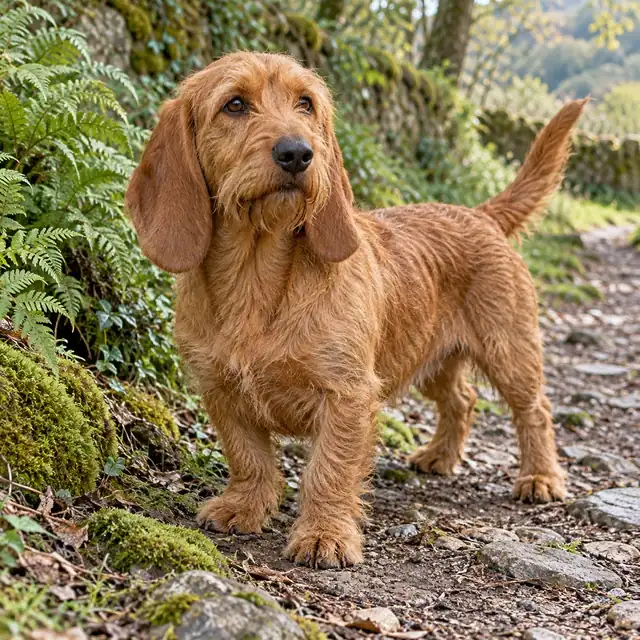
The Red Breton Basset Hound is a short (32-38 cm) long-haired hound with a stiff golden-wheat to brick-red coat. Sociable, affectionate, brave, sometimes stubborn; with a strong sense of smell. Needs reliable fencing and patience on walks.

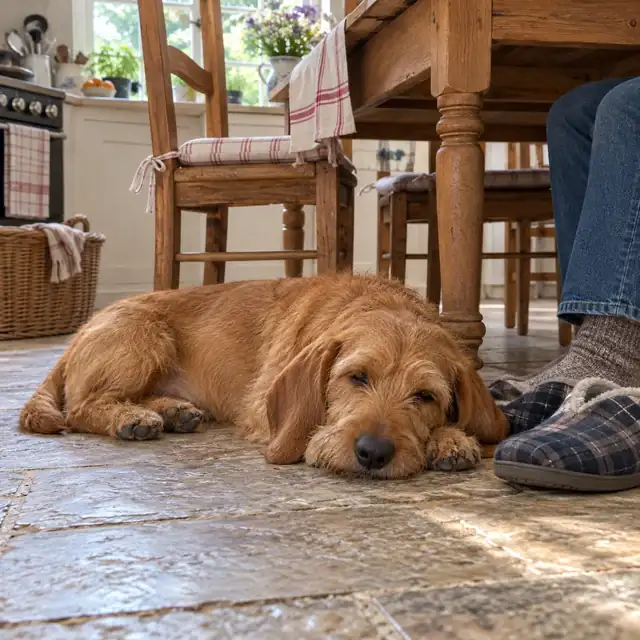
Suitable for families who like to walk. Calm at home, energetic on the street. His sense of smell can lead him on his trail, so the yard is fenced off tightly.
Energetic, likes joint activities. Without a leash outside the fence, there is a risk of running away on the trail.
Lively and playful, but stubborn. Long-term training is required for off-leash release; you shouldn't trust a dog without it.
The stiff coat repels dirt, and stripping about once a year by hand or with a knife reduces shedding. Do not cut with a machine, because the wool becomes soft. Longer, softer coats require more care.
Described as an ideal family dog. Contacts under supervision.
He works in a pack, so he usually gets along with dogs. Small animals are prey.
Estimates help compare breeds. For zooaggression, 5/5 means less tendency to aggression towards dogs. The behavior and health of a particular dog depend on many factors.
High score: affectionate and sociable. Behavior depends on upbringing.
Average score: stubborn, the sense of smell is distracting.
Medium-high score: works in a pack.
There is no comparable survival estimate for the breed in the British cohort used. Among the described hereditary risks: epilepsy, progressive retinal atrophy, glaucoma; examination of the parents is confirmed with the veterinarian.
Medium-high grade: hard coat needs stripping once a year.
Epilepsy: seizures require veterinary examination. It is useful to record the duration and frequency of attacks on video or in notes.
Progressive Retinal Atrophy: The retina is gradually destroyed, and over time the dog can become blind. Ask the breeder for the results of genetic tests and ophthalmological examinations of the parents.
Glaucoma: Increased intraocular pressure that can lead to vision loss. Redness, cloudiness, and pain in the eye require immediate examination.
Allergic skin diseases: itching, redness and baldness require a veterinary examination.