Human orientation
Average score: Beagle is sociable, but loves to follow and is independent. Actual behavior depends on socialization.
THE PAW CATALOG
Origin: Great Britain
Beagles were bred to track small game, hence their exceptional sense of smell. This hunting instinct has remained to this day, so the dog quickly follows the scent, ignoring commands.
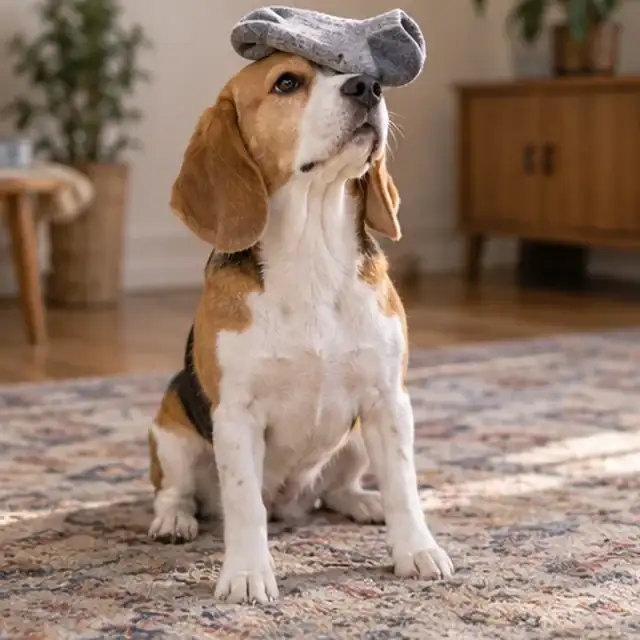
Beagle is a small, friendly hound with a phenomenal sense of smell. Inquisitive, sociable and stubborn, easily distracted by smells. Needs daily exercise, sensory play, weight control and a secure enclosure or leash.

Suitable for families who walk and play with their dog every day. Beagle loves company, and when bored, howls and barks, can destroy things or run away. You can live in an apartment provided there is sufficient traffic and sound insulation from the neighbors.
A healthy adult dog needs daily walks, games and sniffing tasks. Without activity, he barks, destroys or runs away. The load of puppies and elderly dogs is adjusted with the veterinarian.
Friendly and smart, but stubborn and distracted by smells. Consistency, positive reinforcement, and olfactory play work best. Calling is practiced from puppyhood, and free running is allowed only in a safe area.
The short coat is combed weekly, bathed as needed. Ears are cleaned regularly, because they hang, claws are trimmed. Being overweight is a significant risk, so portions and treats are controlled.
Usually friendly to children and willing to play. An adult monitors the contact, and the rules of a calm game are explained to the child.
A pack background makes beagles friendly with other dogs. Cats and small animals are introduced gradually: the hunting instinct can work.
Estimates help compare breeds. For zooaggression, 5/5 means less tendency to aggression towards dogs. The behavior and health of a particular dog depend on many factors.
Average score: Beagle is sociable, but loves to follow and is independent. Actual behavior depends on socialization.
Average score: training requires a clear regime and patience, because the beagle is stubborn and easily distracted.
High Score: The breed usually gets along well with other dogs due to its pack history. The attitude towards small animals is assessed separately.
In the British cohort, the median lifespan of the breed was 12.5 years. Among the described breed risks: hip dysplasia, thyroid disorders, epilepsy, dislocation of the patella, eye diseases. The examination of the parents is confirmed with the veterinarian.
Medium-high rating: Short coat is brushed once a week, but requires weight control and ear care.
Hip dysplasia is mentioned as a possible risk. The results of the parents' assessment should be asked from the breeder, and the need for examinations is determined by the veterinarian.
Thyroid disorders are mentioned as a possible risk. Symptoms: weight gain, lethargy, dry skin. Diagnosis is carried out by a blood test.
Epilepsy usually manifests itself in adulthood. Ask the breeder about cases of convulsions in the line, and at the first attacks contact the veterinarian.
Dislocated patella: periodic limping or "jumping" on the hind leg. Diagnosis and treatment are prescribed by a veterinarian. Intervertebral disc problems have also been reported in older beagles.
Eye diseases are mentioned as a possible risk, including "cherry eye" in puppies and cataracts in older dogs. Eye examinations are included in routine examinations.