Human orientation
Average score: the breed is very devoted to its family, but reserved towards outsiders. Actual behavior depends on socialization.
THE PAW CATALOG
Origin: Belgium
It comes from the Belgian city of Mechelen (Malines), where at the end of the 19th century it was separated from four variants of the Belgian Shepherd. Malinois herded and guarded livestock, and later became an army and police dog. The AKC recognized the breed in 1959.
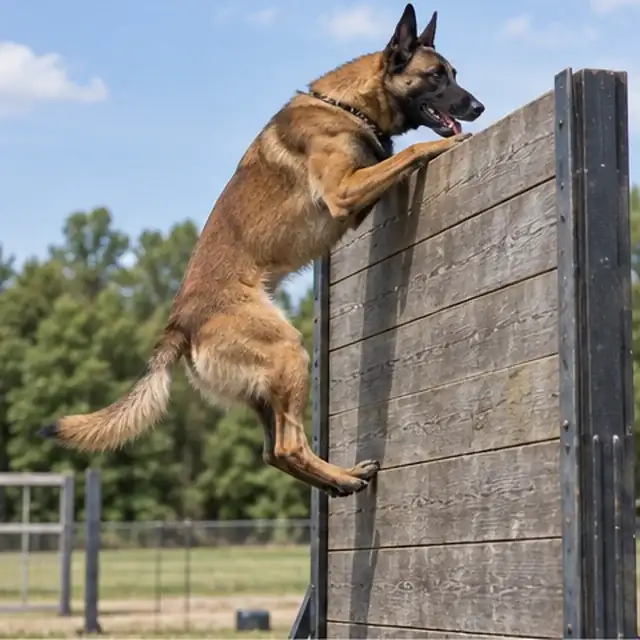
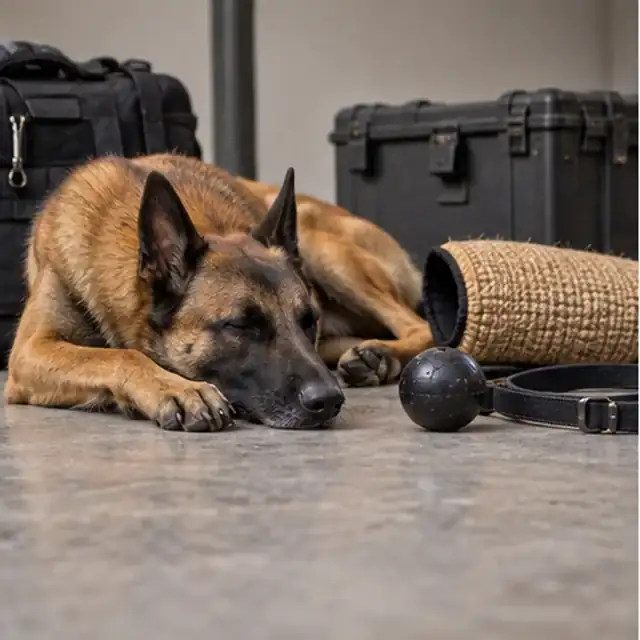
The Belgian Malinois is a very intensive service herding dog. Loyal, alert and hardworking, but needs daily exercise and an experienced owner. Not suitable for those looking for a quiet companion.

Suitable for people with experience who work with a dog every day: obedience, agility, sniffing or service. In an apartment without loads, she gets bored, bites things and can become anxious. The breed is not recommended for the first dog.
A healthy adult dog needs intensive physical and mental exercise every day: running, agility, obedience, sniffing work. Without it, she gets bored and becomes destructive. The load of puppies and elderly dogs is adjusted with the veterinarian.
Very intelligent and willing to work, but needs a clear, consistent and positive approach. Classes should be varied. Early socialization is mandatory, because the dog is reserved towards strangers and has strong protective and herding instincts.
Short dense wool is combed two or three times a week, and more often during seasonal shedding. They are bathed every 6-8 weeks, their nails are trimmed every 3-4 weeks, their ears are cleaned every month, and their teeth are cleaned every day.
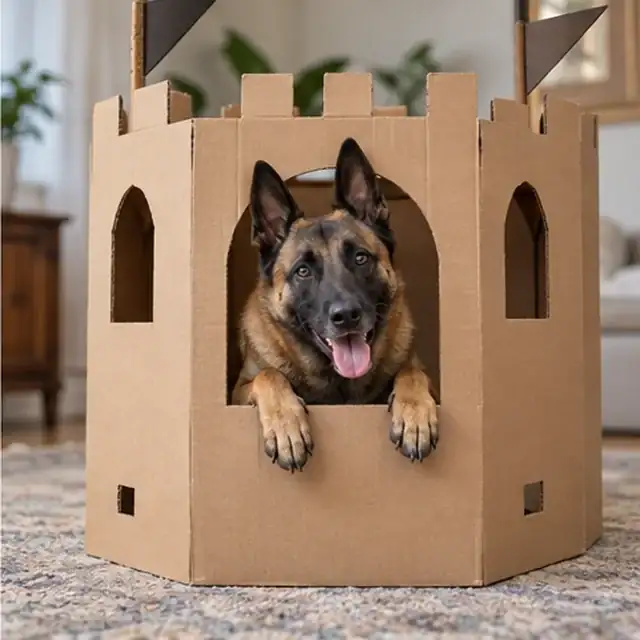
She is gentle and protective of her family, but very energetic. An adult monitors the contact, especially in active games, and the herding instinct can manifest itself in heel pinching.
Early socialization and control when meeting unfamiliar dogs and small animals is necessary. The contact is evaluated individually.
Estimates help compare breeds. For zooaggression, 5/5 means less tendency to aggression towards dogs. The behavior and health of a particular dog depend on many factors.
Average score: the breed is very devoted to its family, but reserved towards outsiders. Actual behavior depends on socialization.
High Score: The breed usually learns commands quickly and is willing to work. A variety of tasks are required.
Average score: contact with other dogs and animals needs assessment and socialization.
In the British cohort, the median lifespan of the breed was 12.0 years. Among the described breed risks: dysplasia of the elbow joints, eye diseases. The examination of the parents is confirmed with the veterinarian.
Medium-high rating: the coat is combed two to three times a week, but regular activities with the dog are required.
Elbow dysplasia is mentioned as a possible risk. Among the other conditions described is dysplasia of the hip joints. The veterinarian determines the need for examinations.
Eye diseases, particularly progressive retinal atrophy and cataracts, are mentioned as possible risks. Eye examinations are included in routine examinations. Sensitivity to anesthesia and the risk of gastric reflux are also described.