Human orientation
High score: Bloodhounds are usually friendly and attached to people, although they work independently on the trail. Actual behavior depends on socialization.
THE PAW CATALOG
Origin: Belgium
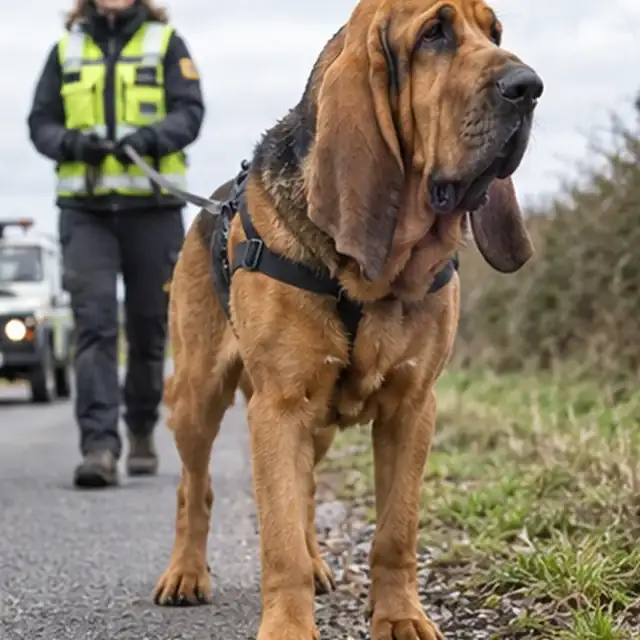
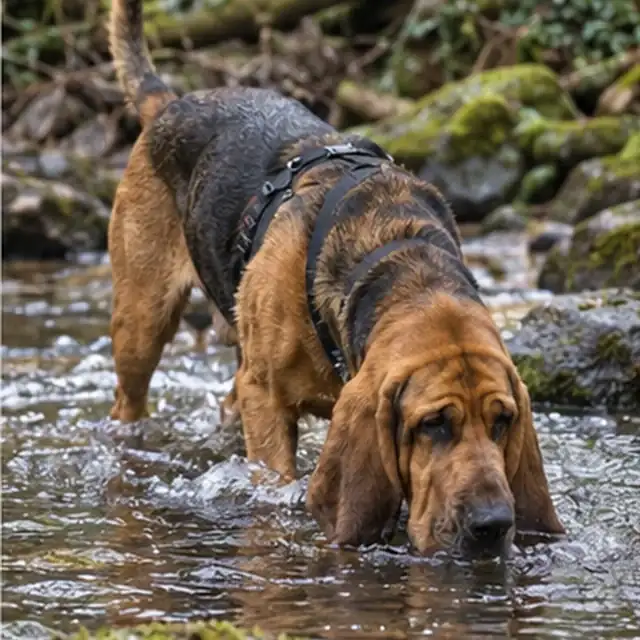
The Bloodhound was bred to track people and animals over long distances. He combines gentleness towards his own and persistence on the trail. At work, he is guided by the smell and often puts the trail above the commands.
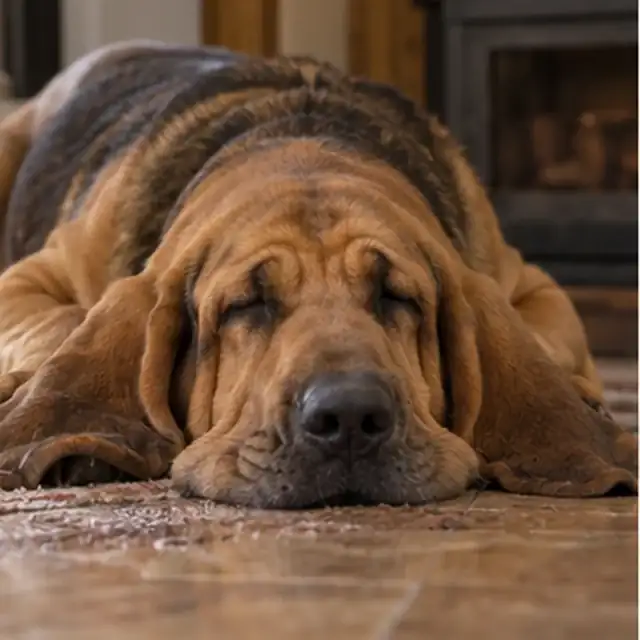
The Bloodhound is a large hound with wrinkled skin and the finest sense of smell among breeds. Meek and calm with the family, and on the trail - persistent and deaf to commands. Requires scent work, secure enclosure and ear and weight control.
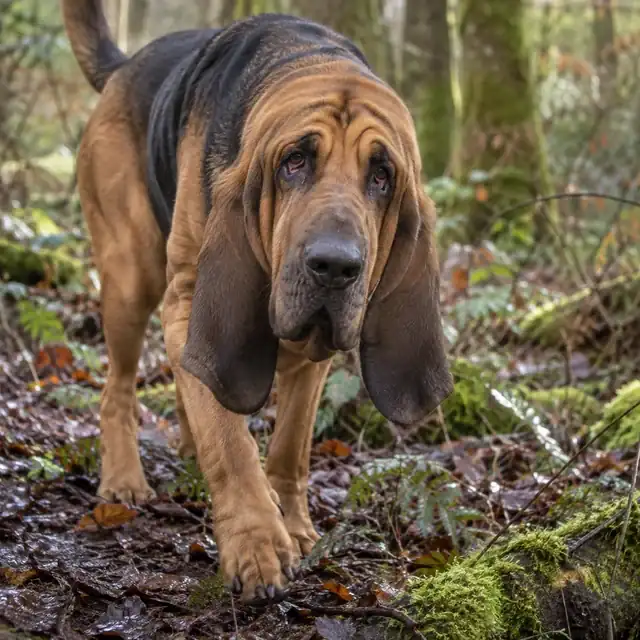
Suitable for people who are ready to give the dog sniff work and a strong fence. Bloodhound is gentle and calm, but with a voice and drooling. Having felt the trail, he can go for kilometers, regardless of the hooting.
A healthy adult dog needs long walks and sniffing tasks every day. Free running is possible only in the fenced area. The load of puppies and elderly dogs is adjusted with the veterinarian.
Good-natured, but independent: on the trail, the sense of smell prevails over commands. Patience, olfactory games and valuable treats work. Calling is practiced on a long leash, and free running is allowed only in a safe area.
Short hair is combed approximately once a week. Long ears and folds of skin on the face are cleaned and dried to prevent infection. Claws are regularly trimmed and teeth are taken care of.
Usually gentle and calm with children. The large size requires adult supervision, especially when playing with toddlers.
Contact with other dogs and small animals is evaluated individually. The hunting instinct is triggered by quick movements, so introductions are carried out gradually.
Estimates help compare breeds. For zooaggression, 5/5 means less tendency to aggression towards dogs. The behavior and health of a particular dog depend on many factors.
High score: Bloodhounds are usually friendly and attached to people, although they work independently on the trail. Actual behavior depends on socialization.
The breed learns well with consistent training, especially in olfactory tasks. The appeal needs constant repetition.
Average score: contact with other dogs and small animals needs assessment due to hunting instinct.
Low score: In the British cohort, the median lifespan of the breed was 9.3 years (small sample). Among the described breed risks: bloating or stomach upset. The examination of the parents is confirmed with the veterinarian.
Medium-high rating: The coat is combed once a week, but the ears and folds need regular grooming.
Bloating or twisting of the stomach is an emergency condition to which large, deep-chested breeds are prone. Know the signs: unsuccessful attempts to vomit, distended stomach, restlessness; then go to the vet immediately. Among other issues that occur in the breed - diseases of the ears, eyes and skin folds.