Human orientation
Attached to the family, willingly cooperates with people.
THE PAW CATALOG
Origin: Czech Republic
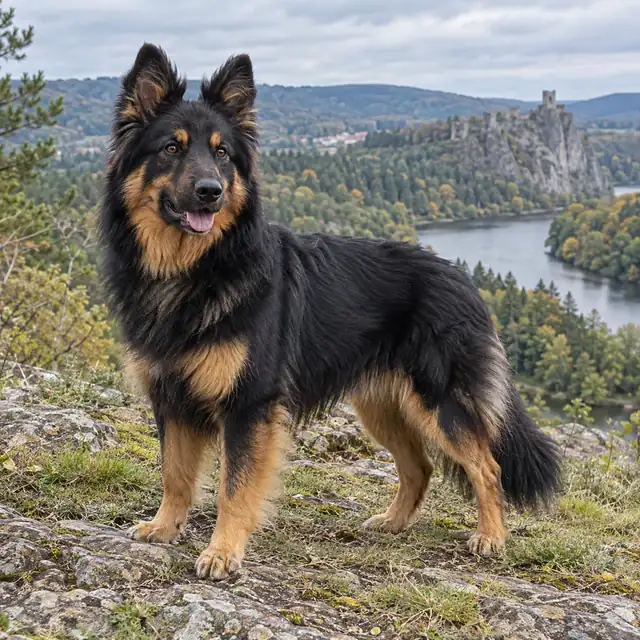
An ancient shepherd and guard breed from Chodsk around Domažlice in the south-west of the Czech Republic. King Ottokar II moved the Hounds to the border of Bohemia and Bavaria, and their dogs helped in patrolling, herding and tracking game. In 1325, John of Luxemburg gave the hods privileges, including the right to keep large dogs. After the Second World War, the breed almost disappeared, and in 1984 Jan Findeys and William Kurtz revived it after finding surviving dogs. The first litter appeared in 1985. The known relationship with the German Shepherd has not been confirmed.
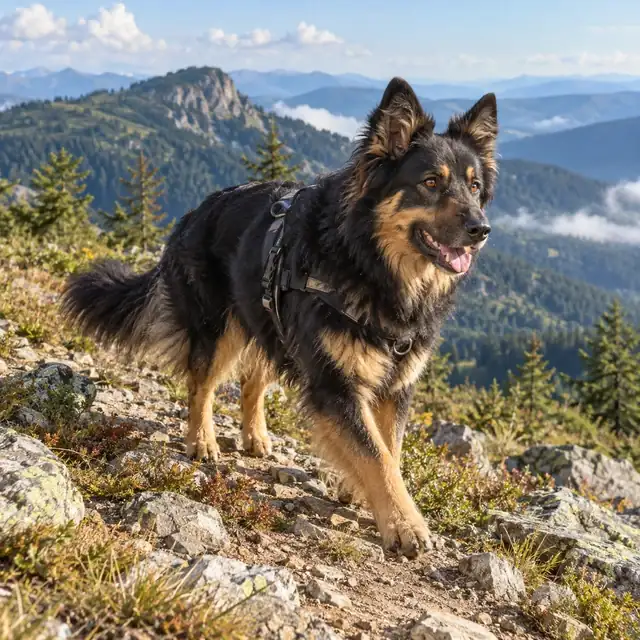
Hodsky Pes (Czech Shepherd Dog) is a medium (48-55 cm, 15-25 kg) rectangular herding dog with long thick hair and a rich undercoat. The color is black with tan. Energetic, quick, willing to learn, but at the same time calm, balanced and friendly. A watchful watchman with a good sense of smell. Gets along well with children and other animals.

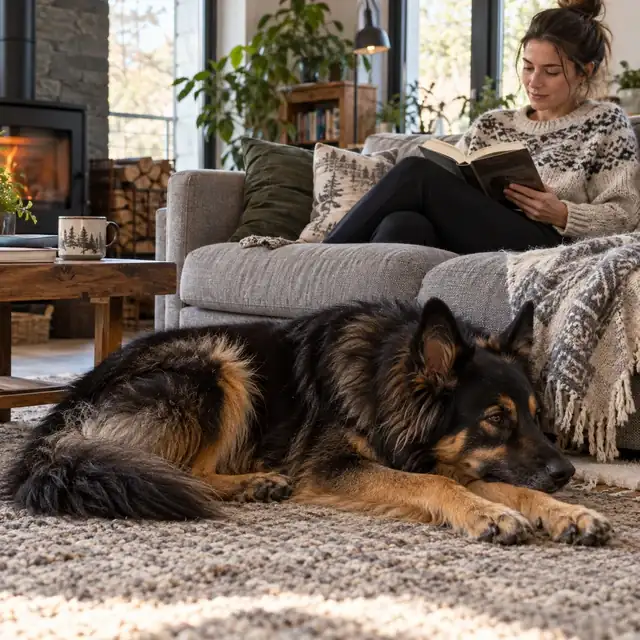
Suitable for active families who love hiking and outdoor activities. Likes to be close to people and does not tolerate prolonged loneliness. You will be bored in a cramped apartment without movement.
High Daily active walks, running, games and mental tasks. Agile and energetic, loves work.
Willingly learns and quickly learns commands. Early socialization and varied activities maintain balance. Suitable for agility, tracking, search and rescue activities. They work without pressure, with praise and treats.
Long thick wool is combed several times a week, more often during shedding. Ears, teeth, paws and claws are examined. After walks in nature, they look for ticks and burdock root.
Usually gets along well with children: calm, friendly, energetic. Children's play and the shepherd's instinct sometimes mix, so small children and the dog are supervised. Children are taught to behave calmly with a dog.
Generally gets along well with other animals. The herding instinct can manifest itself in attempts to "collect" or follow others. Acquaintances are carried out gradually.
Estimates help compare breeds. For zooaggression, 5/5 means less tendency to aggression towards dogs. The behavior and health of a particular dog depend on many factors.
Attached to the family, willingly cooperates with people.
Quick, lively and willing to learn.
Generally gets along well with children and other animals.
There is no comparable survival estimate for the breed in the British cohort used. Among the described breed risks: elbow joint dysplasia, epilepsy, degenerative myelopathy; examination of the parents is confirmed with the veterinarian.
Long thick wool needs regular brushing.
Dysplasia of the elbow joints: the results of X-ray evaluations of the parents are studied before the purchase. The weight is kept normal. Lameness is shown to the veterinarian.
Epilepsy: seizures require veterinary examination. The breeder is asked about cases of epilepsy in the pedigree.
Degenerative myelopathy: A progressive lesion of the spinal cord that an available genetic test can help detect. Ask the breeder for results.