Human orientation
High score: Bolognese is drawn to people and wants to be close to family. The expression of this trait depends on upbringing and experience.
THE PAW CATALOG
Origin: Italy
The origins of the Bolognese are often confused with the Maltese: both breeds descend from small dogs that Aristotle called "Melitian". It was known even in Roman times and was valued as a gift for influential people. Cosimo de' Medici sent eight dogs to Brussels, and Titian, Bruegel and Goya depicted similar dogs.
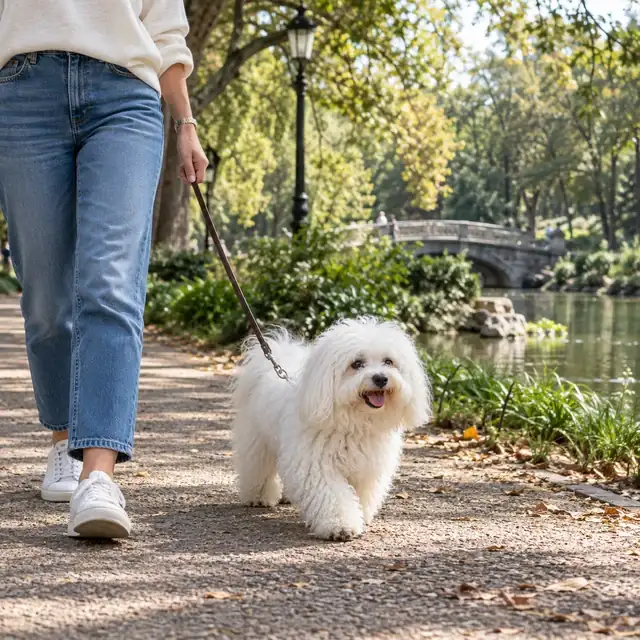
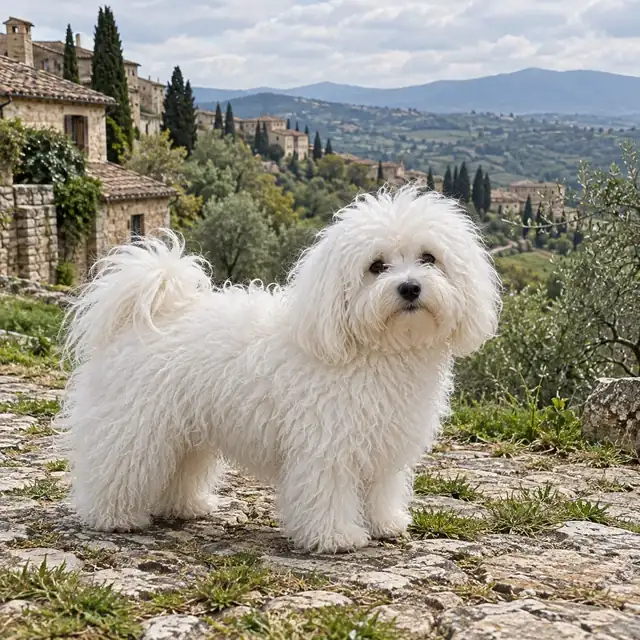
The Bolognese is a small compact white companion with a long fluffy coat. Calm, devoted to his family and does not tolerate loneliness well. Suitable for living in an apartment and for people who are at home most of the day.

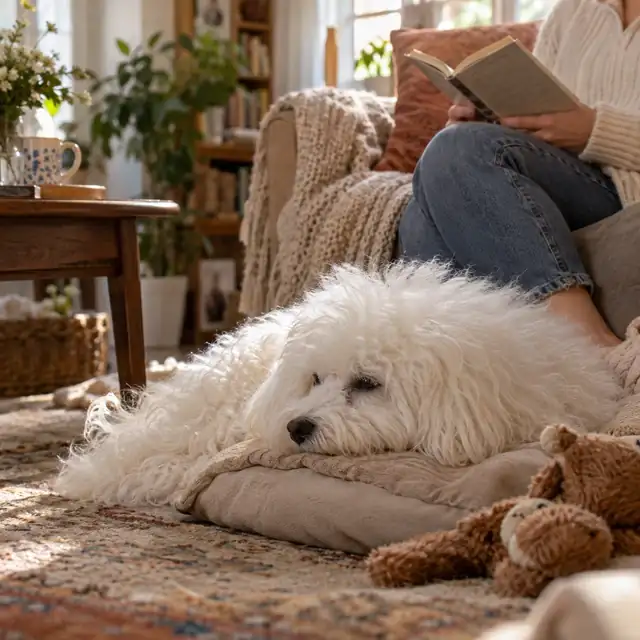
Suitable for living in an apartment, in particular for the elderly and pensioners. He is calm and not very mobile, but he is very dependent on people. Prone to separation anxiety, so for those who work full time, the breed is not the best choice.
A healthy adult dog needs moderate exercise: games in a fenced area, walks, games at home. The load of puppies and elderly dogs is adjusted with the veterinarian.
Intelligent and willing to work. Gentle short sessions, treats and early socialization work. He can be reserved towards strangers, but quickly relaxes.
The long, fluffy white coat needs to be combed regularly, otherwise it gets tangled. Many owners keep it shorter (about 2.5 cm), and leave it longer on the face. The fur around the eyes is trimmed for hygiene. They bathe from time to time, trim their claws, examine their ears and brush their teeth.
Due to its small size, it is better suited for a family with older children. The baby is not left alone with him, and the adult monitors every contact.
Friendly to other dogs. Due to their size, acquaintance with large dogs is carried out carefully.
Estimates help compare breeds. For zooaggression, 5/5 means less tendency to aggression towards dogs. The behavior and health of a particular dog depend on many factors.
High score: Bolognese is drawn to people and wants to be close to family. The expression of this trait depends on upbringing and experience.
High Score: The Bolognese breed usually takes command quickly. A variety of tasks are needed so that the dog does not get bored.
High score: the breed usually gets along well with other dogs. Due to their small size, contact with large dogs is controlled.
In the British cohort, the median lifespan of the breed was 14.9 years (small sample). Among the described breed risks: dislocation of the patella. The examination of the parents is confirmed with the veterinarian.
Average rating: long hair needs regular brushing, but it is not lazy.
Patella dislocation is mentioned as a possible risk. Signs: periodic limping or "jumping" on the hind leg. Diagnosis and treatment are prescribed by a veterinarian. Responsible breeders check the knees and eyes of pedigree dogs.