Human orientation
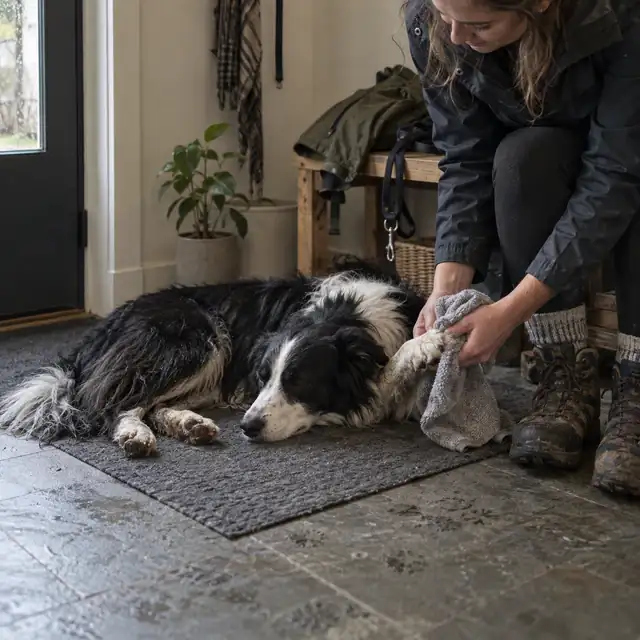
High score for people-orientation: The Border Collie breed tends to bond closely with its owner. Individual dogs may vary.
THE PAW CATALOG
Origin: Great Britain, border areas of England and Scotland
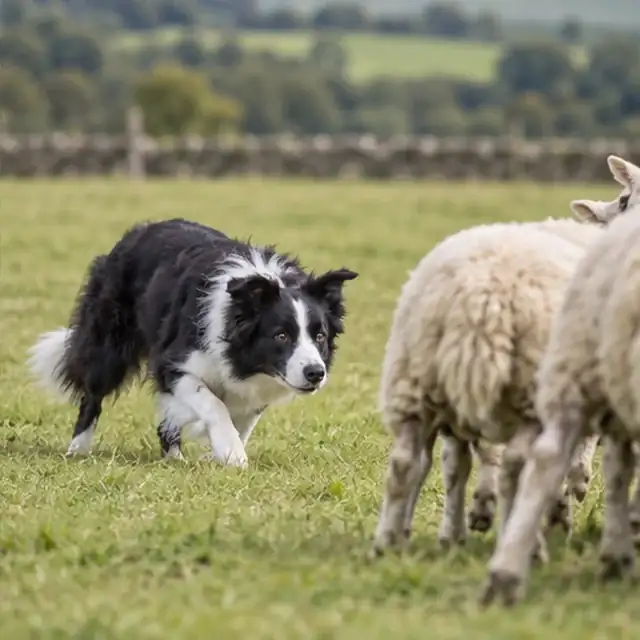
The breed probably developed on the Scottish-English border to herd sheep. Breeders selected hardy dogs with an innate herding instinct and the ability to work at a distance from the shepherd. Border Collies competed in the first sheepdog competitions in the 1870s, and the AKC recognized the breed in 1995.
Border collie is an extremely energetic and intelligent herding breed. Loyal, sensitive to the owner's mood and eager to work. Requires intense movement, mental tasks and an experienced owner.

Suitable for people who are ready to spend hours with their dog every day. Without work, she is bored, barks, "herds" children and develops compulsive habits. For beginners, the breed is difficult.
A healthy adult dog needs at least an hour of intense activity and mental tasks every day. Agility, shepherd games, long hikes are suitable. The load of puppies and elderly dogs is adjusted with the veterinarian.
One of the smartest breeds, but sensitive and responds better to gentle correction. Early socialization and various tasks are required: obedience, agility, frisbee, shepherd classes. The instinct to "collect" people is corrected from the puppy age.
The double coat is combed two to three times a week, and more often during the shedding period. Claws are checked twice a month, ears are cleaned weekly, teeth are cleaned daily.
Usually devoted to the family, but herding instinct can be manifested by barking or nipping at the heels during rough play. An adult monitors the contact, and the rules of the game are explained to the child.
She may be wary of unfamiliar animals. The herding instinct needs control over cats and small animals. Early socialization helps.
Estimates help compare breeds. For zooaggression, 5/5 means less tendency to aggression towards dogs. The behavior and health of a particular dog depend on many factors.
High score for people-orientation: The Border Collie breed tends to bond closely with its owner. Individual dogs may vary.
High score: Border collies pick up commands quickly, so tasks should be varied to keep them from getting bored.
Average score: contact with other dogs and animals needs to be evaluated due to herding instinct.
In the British cohort, the median lifespan of the breed was 13.1 years. Among the described breed risks: dysplasia of the hip joints, eye diseases, epilepsy, eye circle anomaly. The examination of the parents is confirmed with the veterinarian.
Low score: Double coat is combed several times a week and still requires hours of daily training.
Hips: A hip assessment is recommended for pedigree dogs. You should ask the breeder for the results.
Hereditary eye diseases, including progressive retinal atrophy and cataracts. An ophthalmologist's examination and pedigree DNA tests help control hereditary diseases.
Epilepsy: idiopathic epilepsy occurs in the breed. The health of the line is discussed with the responsible breeder, and at the first attacks, a veterinarian is consulted.
Circle Eye Anomaly (CEA): The DNA test is used in pedigree work in conjunction with a clinical eye examination.