Human orientation
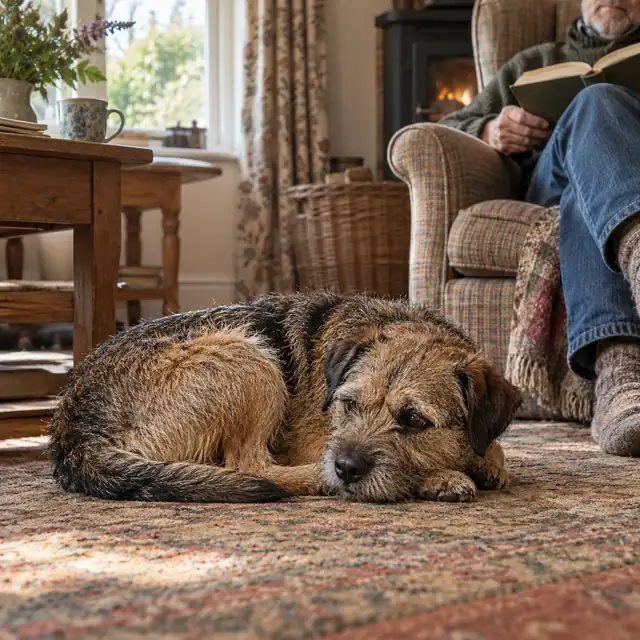
Moderately high score: the breed is attached to the family. Actual behavior depends on socialization.
THE PAW CATALOG
Origin: Great Britain
The breed was bred for hunting foxes and other small animals. It took place in the north of England, near the Scottish border. The dogs had to be small enough to go into burrows and hardy enough to run after hunters on horseback.
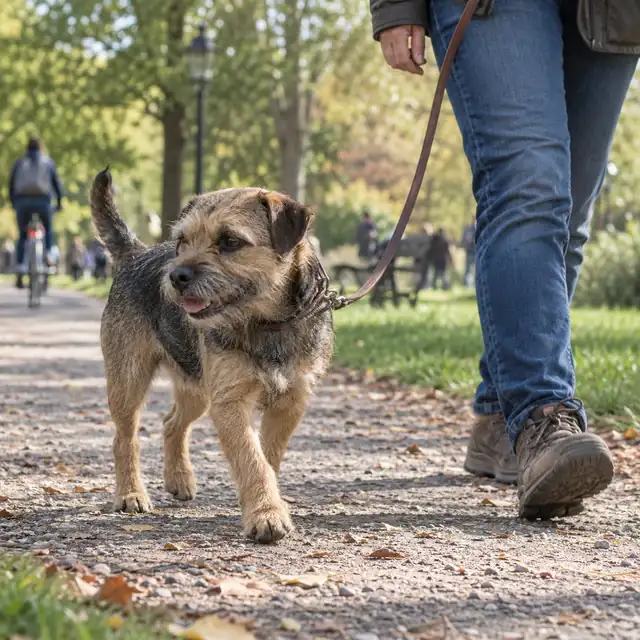
The Border Terrier is a small, sturdy terrier with a stiff coat and a "snappy" face. Friendly, hardy and not as reactive as many terriers. Needs daily movement, control of the hunting instinct and hair care.

It is suitable for families who walk every day, and feels good both in the apartment and in the house. Very attached to people, but retains the terrier instinct: chasing small animals and digging.
A healthy adult dog needs daily walks, games and interactive tasks. Without it, he can dig, bark and harm. The load of puppies and elderly dogs is adjusted with the veterinarian.
Willing to work, but stubborn and easily distracted. Consistency, positive reinforcement and short play sessions work. The call-up is practiced early.
The hard coat is combed weekly, and hand trimming is often required to maintain the texture. They rarely bathe, because frequent bathing damages the coat. Claws are regularly trimmed and ears are cleaned.
Usually friendly with children and willing to play. An adult monitors the contact, and the rules of a calm game are explained to the child.
Usually gets along with dogs. The hunting instinct is strong, so small animals (cats, rodents) can be perceived as prey.
Estimates help compare breeds. For zooaggression, 5/5 means less tendency to aggression towards dogs. The behavior and health of a particular dog depend on many factors.
Moderately high score: the breed is attached to the family. Actual behavior depends on socialization.
The learnability of the Border Terrier breed is high with a consistent approach: short lessons, treats and patience give results, pressure slows it down.
Average score: contact with other dogs and animals needs to be evaluated due to the hunting instinct.
In the British cohort, the median lifespan of the breed was 14.2 years. Among the described breed risks: hip dysplasia, epilepsy, progressive retinal atrophy, cataracts, allergic skin diseases. The examination of the parents is confirmed with the veterinarian.
High score: the coat is combed once a week, but periodic trimming is required.
Hip dysplasia is mentioned as a possible risk. Dislocation of the patella is also described in puppies. The results of the parents' assessment should be asked from the breeder.
A possible risk for the Border Terrier breed is epilepsy. Ask the breeder about convulsions in the pedigree, and consult a veterinarian at the first attacks.
Progressive retinal atrophy is a hereditary eye disease. Regular eye examinations help detect changes in time.
Cataracts are mentioned as a possible risk, particularly juvenile in young dogs and age-related in older dogs. An eye examination is included in routine examinations.
Allergic skin diseases (atopic dermatitis) occur in adult dogs. Symptoms: itching, redness, licking paws. Diagnosis and treatment are prescribed by a veterinarian.