Human orientation
Average score: the breed is lively and independent. Actual behavior depends on socialization.
THE PAW CATALOG
Origin: Bosnia and Herzegovina
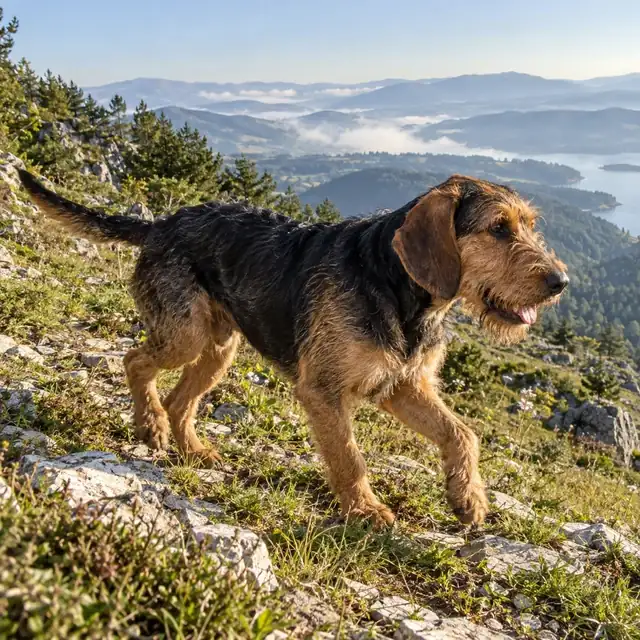
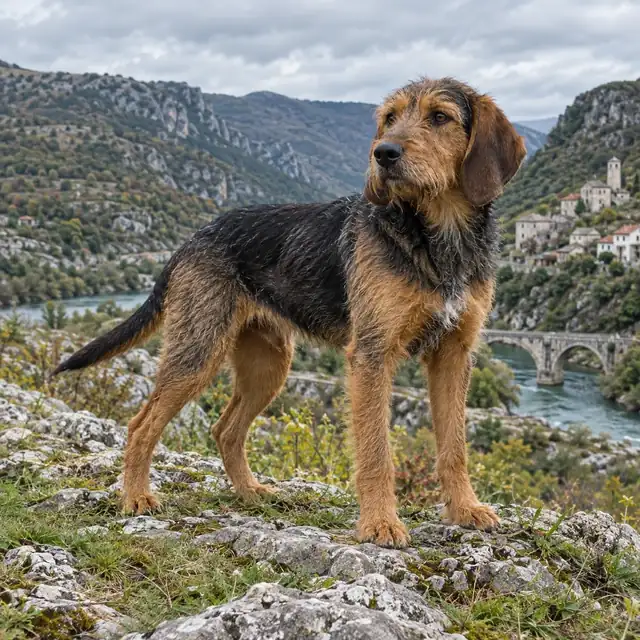
The Bosnian Barak is a hound that was used to hunt big game. The modern breed comes from local dogs crossed with the Italian Ligava in the 1890s. The FCI first recognized it in 1965 as the "Illyrian Hound" and then changed the name. The breed is genetically diverse and related to the Toryak.
The Bosnian Barak is a medium-sized hard-coated hound with a shaggy face and whiskers. Lively, brave and persistent on the trail. Needs movement, olfactory work and reliable calling.

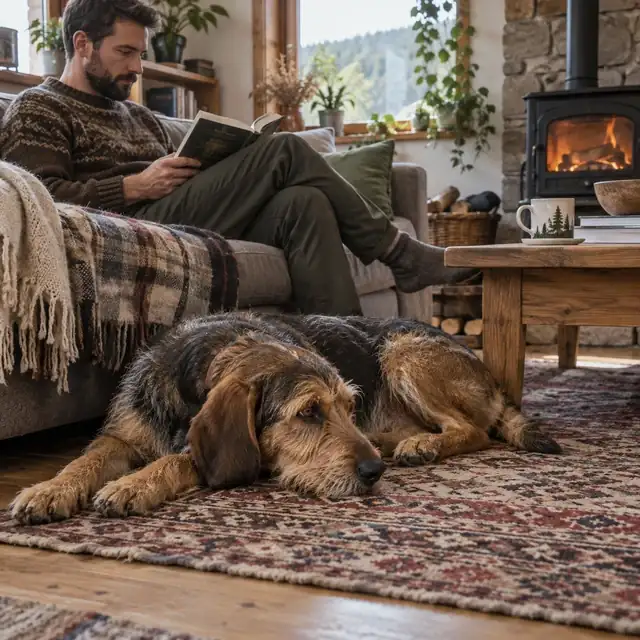
More suitable for hunters and active people who have space. Without work and movement, he is bored and barks loudly. After sensing the smell, he can follow the trail.
A healthy adult dog needs daily long walks and sniffing. Free running is possible only in the fenced area. The load of puppies and elderly dogs is adjusted with the veterinarian.
Brave and persistent, so learning requires patience. Olfactory games, valuable treats and short activities work. The call is practiced on a long leash.
The long, stiff, shaggy coat with a thick undercoat is brushed about twice a week. After walks, the skin and ears are examined, and the claws are trimmed regularly.
Usually friendly but lively. An adult monitors the contact, and the rules of a calm game are explained to the child.
Usually gets along with dogs. The hunting instinct is strong, so small animals can be perceived as prey.
Estimates help compare breeds. For zooaggression, 5/5 means less tendency to aggression towards dogs. The behavior and health of a particular dog depend on many factors.
Average score: the breed is lively and independent. Actual behavior depends on socialization.
The rating is average, because there is a lack of comparative data on the "Bosnian Barak" breed. Actual behavior depends on upbringing, socialization and experience.
Average score: The contact of the Bosnian Barak breed with dogs is generally normal, and rodents and small animals can awaken the hunting instinct.
The survival rate of the "Bosnian Barak" breed in the British cohort is not comparable. The absence of the described risks does not guarantee the absence of hereditary diseases, so the breeder is asked for the results of the parents' examinations.
High rating: the coat is combed twice a week, and the rest of the care is simple.
Breed screening: little is known about the hereditary diseases of the "Bosnian Barak" breed. The breeder is asked for documents with the results of examinations of both parents and current recommendations of the club.
Musculoskeletal system: the growth and load of the dog of the "Bosnian Barak" breed is coordinated with its age. If lameness or pain occurs, a veterinary examination is required.
A preventive examination of the Bosnian Barak breed includes an evaluation of the eyes, heart and ears. The frequency of special inspections is determined by the recommendations of the club and the veterinarian.