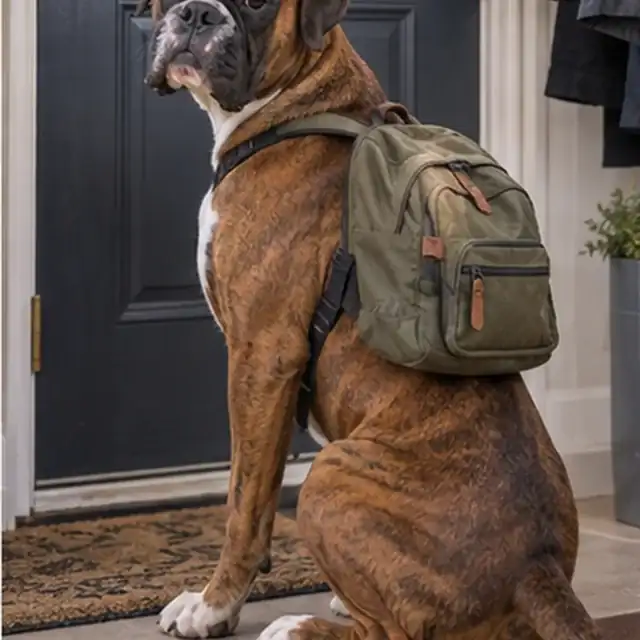
Human orientation
High score: Boxer usually willingly interacts with family. The actual behavior depends on the socialization and experience of the particular dog.
THE PAW CATALOG
Origin: Germany
The Boxer was bred in Germany at the end of the 19th century from the Bullenbeisser, a powerful hunting dog. A smaller type was standardized in 1894 and shown at exhibitions. The breed spread in Europe and the USA, during the First World War it was used in military service, and today it remains one of the most popular.
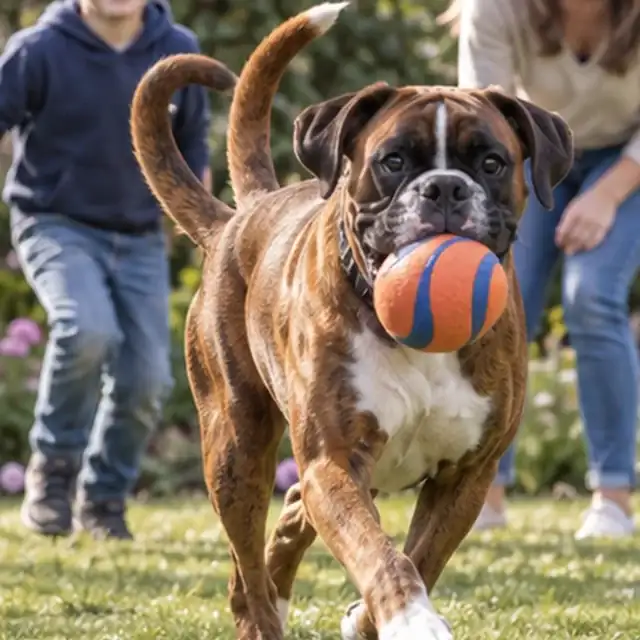
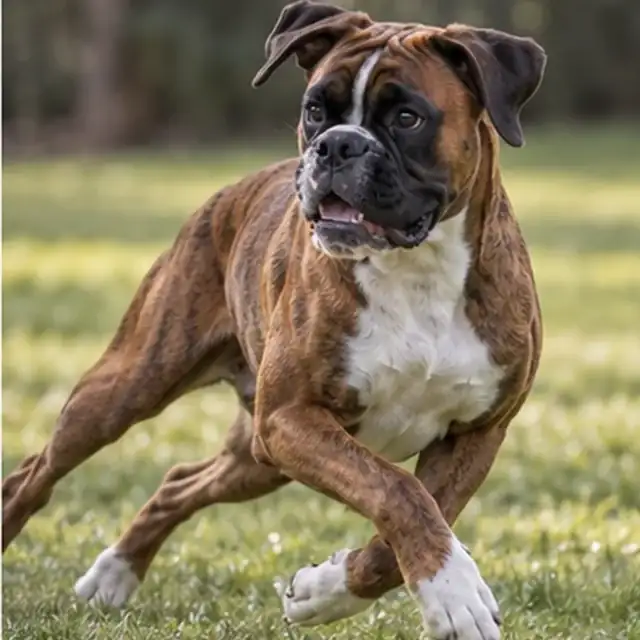
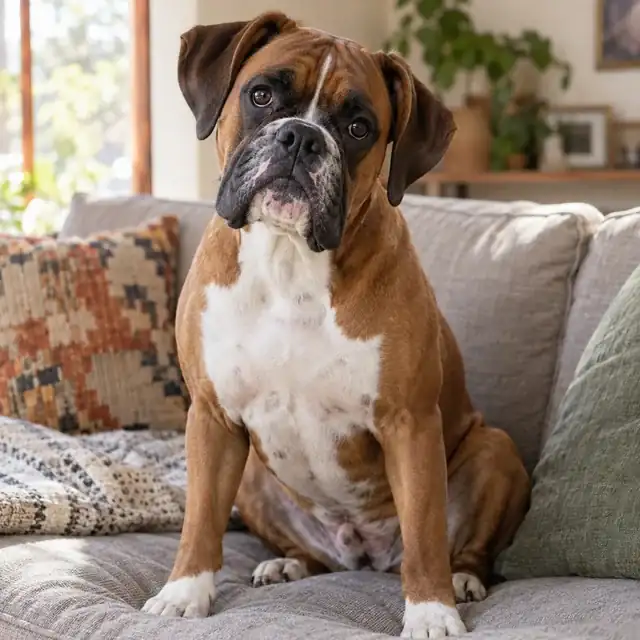
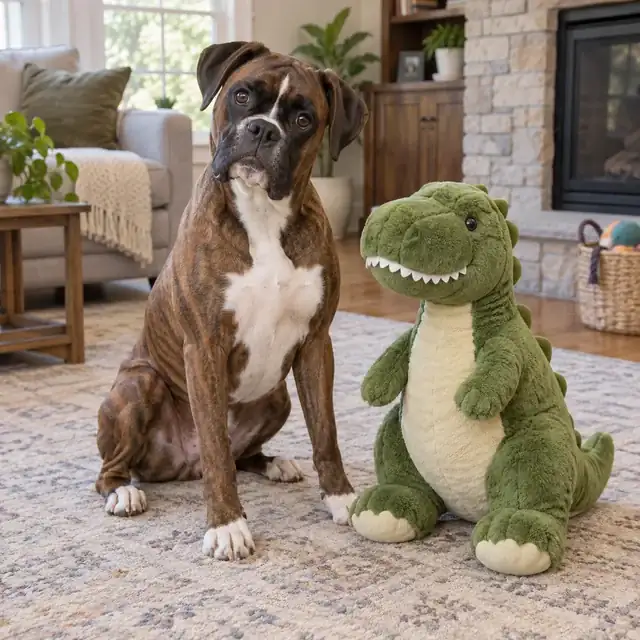
Boxer is a medium-sized muscular dog with a square face, cheerful, playful and protective. Very attached to the family, but energetic and remains a "puppy" for a long time. It requires daily exercise, protection from heat and cold, and regular cardiac monitoring.
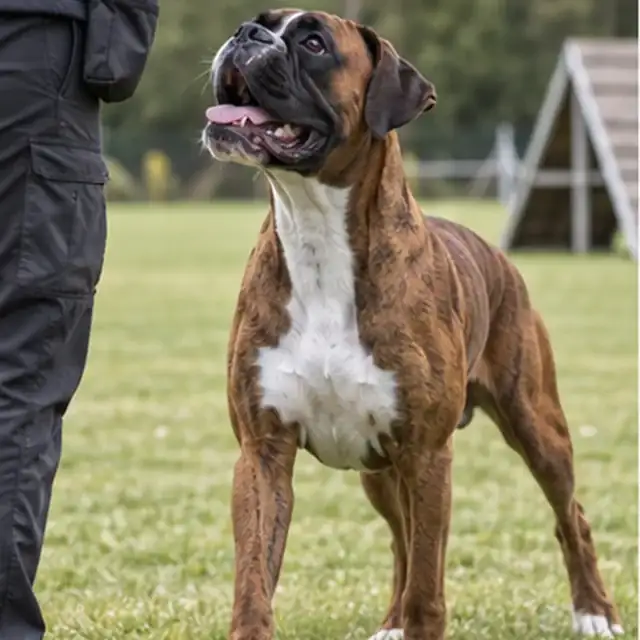
Suitable for active families who can walk and play every day. Boxer loves people, does not tolerate loneliness and boredom. It is very jumpy, which can be a problem for young children and the elderly, but this can be corrected with training.
A healthy adult dog needs intense exercise every day: running, games with jumps, obedience, agility. Mental load is just as important. In the heat, the load is reduced: a short muzzle makes it difficult to cool down. The load of puppies and elderly dogs is adjusted with the veterinarian.
Smart, but with a character and gets bored quickly. A variety of short activities, games and treats are available. Jumping on people is corrected from an early age. Rough methods are not suitable, because the boxer is sensitive.
The short smooth coat needs weekly combing with a rubber brush, bathing is rarely necessary. They regularly brush their teeth, take care of their gums and trim their nails. Teeth and gums are examined, because gum hyperplasia has been described in the breed.
Usually gets along well with children and willingly plays. Energetic jumps can knock down the baby, so an adult monitors the contact, and leaves a place for the dog to rest.
Generally gets along with other dogs and pets with good socialization. The contact is evaluated individually.
Estimates help compare breeds. For zooaggression, 5/5 means less tendency to aggression towards dogs. The behavior and health of a particular dog depend on many factors.
High score: Boxer usually willingly interacts with family. The actual behavior depends on the socialization and experience of the particular dog.
"Boxer" willingly learns if the lessons are consistent and short. Reward works better than coercion.
Average score: contact with other dogs and animals needs to be evaluated and early socialization is important.
Low score: In a British cohort, the breed's median lifespan was 11.3 years. Among the described breed risks: hip dysplasia, cardiomyopathy, degenerative myelopathy, heart disease. The examination of the parents is confirmed with the veterinarian.
Medium-High rating: Short coat is brushed once a week, but requires dental care and temperature control.
Hip dysplasia is mentioned as a possible risk. Symptoms usually appear between the fourth month and a year of life. The results of the assessment of the hips of the parents should be asked from the breeder.
Cardiomyopathy disrupts the heart rhythm. A preventive examination includes listening to the heart, and the need for a cardiac examination is determined by a veterinarian. Aortic stenosis is also described for the breed.
Degenerative myelopathy is a progressive lesion of the spinal cord, manifested by weakness of the hind legs in adulthood. There is a genetic test for it; ask the breeder for results.
Heart disease is generally the breed's most common risk. Also, boxers often get cancer. Regular preventive examinations help detect changes in time.