Human orientation
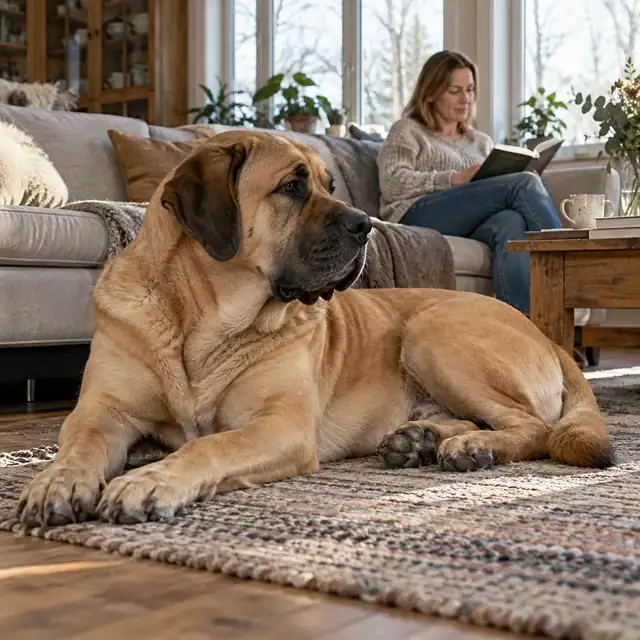
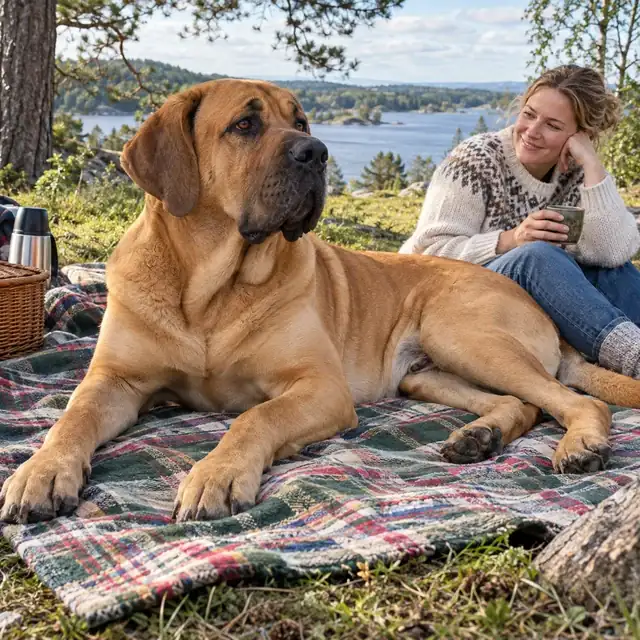
Average score: The breed is family-friendly, although independent. Actual behavior depends on socialization.
THE PAW CATALOG
Origin: Denmark
The Brokholmer is believed to be descended from mastiff-like dogs that may have been brought over by the Vikings. Peasants used them to guard yards and livestock, and as hounds on royal estates. In the 19th century, the hunter Sehested started a breeding program to preserve the breed. Copenhagen Zoo bred dogs from 1859 to 1929, but numbers declined due to inbreeding and disease. The last dog was entered in the stud book in 1940. In 1974, a purebred dog was found, and then other descendants were found. The FCI recognized the breed in 1982, and today there are less than 800 dogs, mostly in Denmark.
Broholmer is a large Danish mastiff-type dog, calm and alert. Family-friendly, self-confident, without aggression. Needs space, early socialization and careful cultivation at a young age.
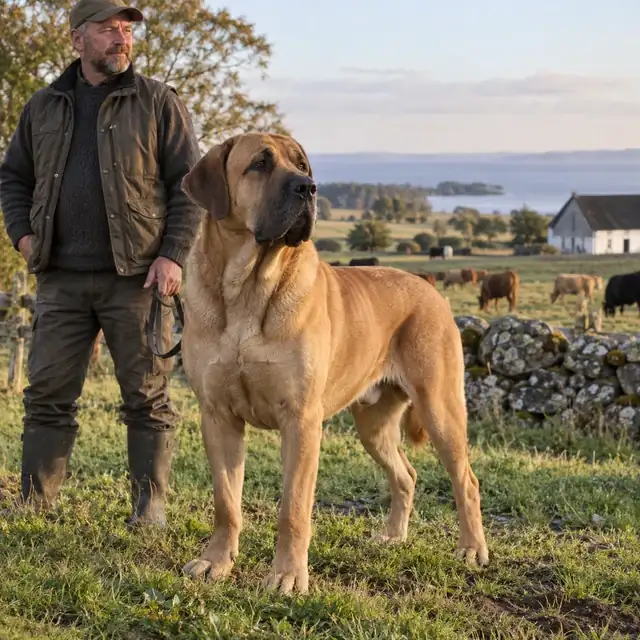
Suitable for people with a spacious house and garden. The dog is calm, alert, but needs a mobile lifestyle and constant attention. Due to the size, the costs of feed and veterinary medicine are significant.
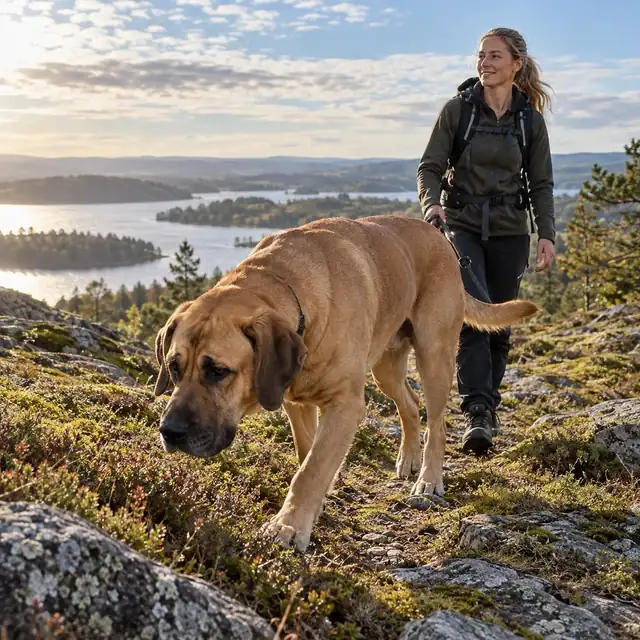
A healthy adult dog needs regular walks. Loads are dosed for puppies, because bones grow slowly and for a long time. The load of elderly dogs is adjusted with a veterinarian.
Calm, but independent. Training should be gentle and consistent, with positive reinforcement. Start from the puppy age, while the dog is small: behavior on a leash, calling, calmness with guests.
The short, stiff coat with a thick undercoat is combed approximately once a week, more often during shedding. Claws are regularly trimmed, ears and teeth are cleaned.
Usually friendly, but size poses a risk to toddlers. An adult monitors the contact, and the rules of a calm game are explained to the child.
Early socialization and control in meeting other dogs and small animals is necessary. The contact is evaluated individually.
Estimates help compare breeds. For zooaggression, 5/5 means less tendency to aggression towards dogs. The behavior and health of a particular dog depend on many factors.
Average score: The breed is family-friendly, although independent. Actual behavior depends on socialization.
Average score: there is no comparable data for the Brokholmer breed, so the score is neutral. The actual behavior depends on the socialization and experience of the particular dog.
Average score: contact with other dogs and animals needs assessment due to size.
There is no comparable survival estimate for the breed in the British cohort used. Due to small numbers and long-standing problems with inbreeding, screening of parents is especially important.
High score for simplicity: the short coat of the "Brochholmer" is combed weekly, and other care is not burdensome.
Breed screening: there is little detailed data on hereditary diseases of the Broholmer breed. Ask the breeder for documentary results of examinations of both parents and current recommendations of the club.
Musculoskeletal apparatus: for the "Brokholmer" breed, the load is selected according to age and condition. Limping, pain or reluctance to move is a reason to consult a veterinarian.
A preventive examination includes the eyes, heart and ears. For the "Broholmer" breed, the frequency of special inspections is determined by the advice of the club and the veterinarian.