Human orientation
High score: The breed is usually willing to interact with the family. Actual behavior depends on socialization.
THE PAW CATALOG
Origin: Great Britain
In the 19th century, English hunters bred the breed to protect their estates from poachers, crossing the Old English bulldog with the English mastiff. The British Kennel Club recognized it in 1924, and the AKC in 1933. Today it is a domestic watchdog.
The bullmastiff is a large, powerful guard dog with a short coat. Gentle with family, reserved with strangers and rarely barks. He needs space, early socialization and careful cultivation, because his life is short.
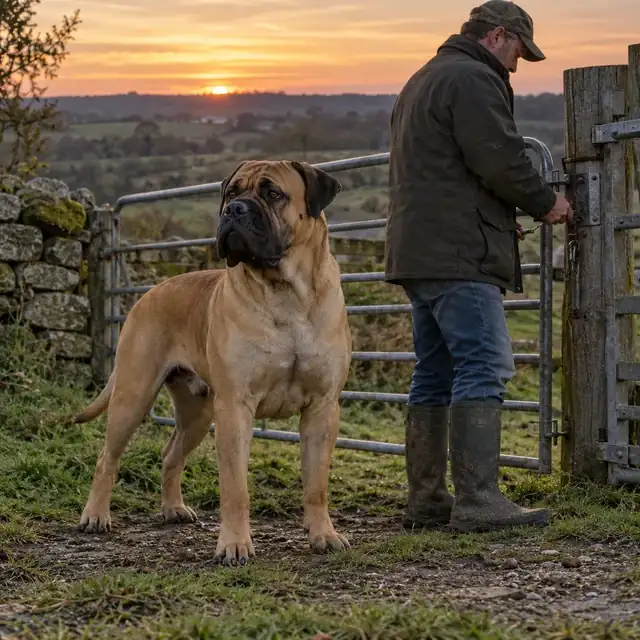
Suitable for people with a spacious house and experience working with large breeds. The Bullmastiff is usually calm but strong-willed, so early socialization and clear rules are needed. Saliva, snoring and weight are significant.
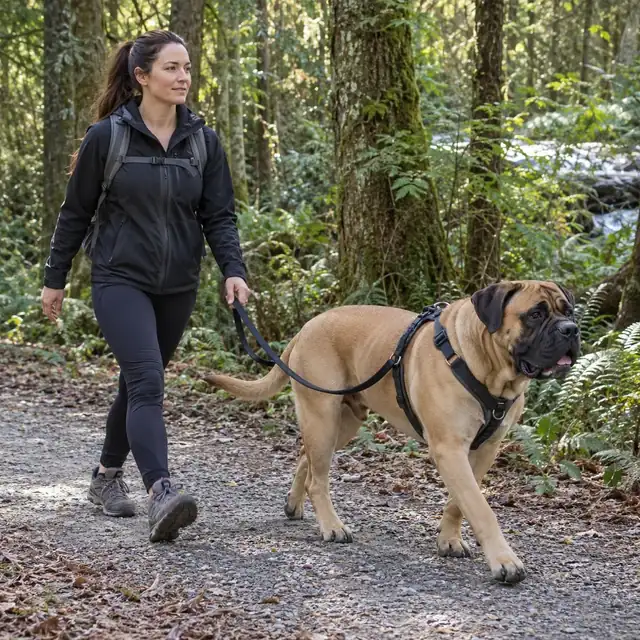
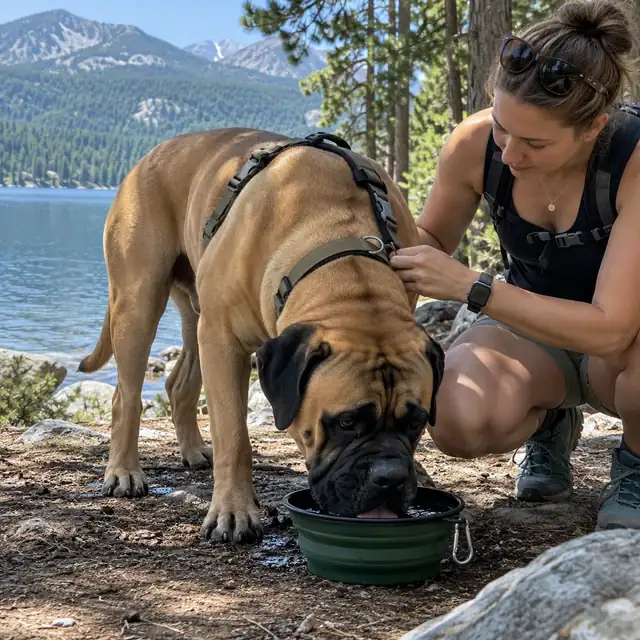
A healthy adult dog needs daily walks, play in the fresh air and mental tasks, but without overloading. A strong fence is needed. The load of puppies and elderly dogs is adjusted with the veterinarian.
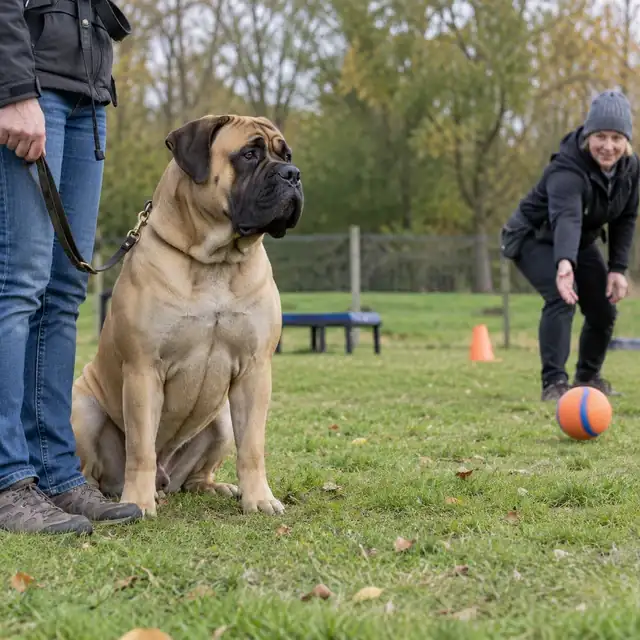
Smart and strong-willed. Learning should be calm, consistent and based on positive reinforcement. Start early, while the dog is small: behavior on a leash, calling, calm with guests.
Short hair needs grooming about once a month, but it is more convenient to comb it every week. They monitor the condition of their skin and coat, regularly trim their claws, clean their ears and teeth.
Usually gentle with children in the family, but weight and strength pose a risk to toddlers. An adult monitors the contact, and the rules of a calm game are explained to the child.
Early socialization and control in meeting other dogs and animals is necessary. The contact is evaluated individually.
Estimates help compare breeds. For zooaggression, 5/5 means less tendency to aggression towards dogs. The behavior and health of a particular dog depend on many factors.
High score: The breed is usually willing to interact with the family. Actual behavior depends on socialization.
The Bullmastiff breed learns well with consistent training. Short, non-forced reward sessions work best.
Average score: contact with other dogs and animals needs assessment and control.
Low score: In a British cohort, the breed's median lifespan was 10.2 years. Among the described breed risks: dysplasia of the elbow joints, thyroid disorders, bloating or stomach upset, eye diseases. The examination of the parents is confirmed with the veterinarian.
High rating: "Bullmastiff" does not require complex care, weekly combing is enough.
Elbow dysplasia is mentioned as a possible risk. Hip dysplasia and arthritis are also described. The results of the parents' assessment should be asked from the breeder.
Thyroid disorders are mentioned as a possible risk. Symptoms: weight gain, lethargy, dry skin. Diagnosis is carried out by a blood test.
Bloating or twisting of the stomach is an emergency condition to which large, deep-chested breeds are prone. Know the signs: unsuccessful attempts to vomit, distended stomach, restlessness; then go to the vet immediately. Gastropexy can help prevent recurrence.
Eye diseases, particularly entropion and progressive retinal atrophy, are mentioned as a possible risk. Lymphoma and heart disease are also described in the breed.