Human orientation
Average score: gentle with acquaintances, but gregarious and independent. Behavior depends on upbringing.
THE PAW CATALOG
Origin: Canada
The Inuit call the breed "kimmik". She was valued by Arctic travelers as a sled dog. With the spread of snowmobiles, the population declined dramatically, and a program in the 1970s led by William Carpenter helped save the breed from extinction.
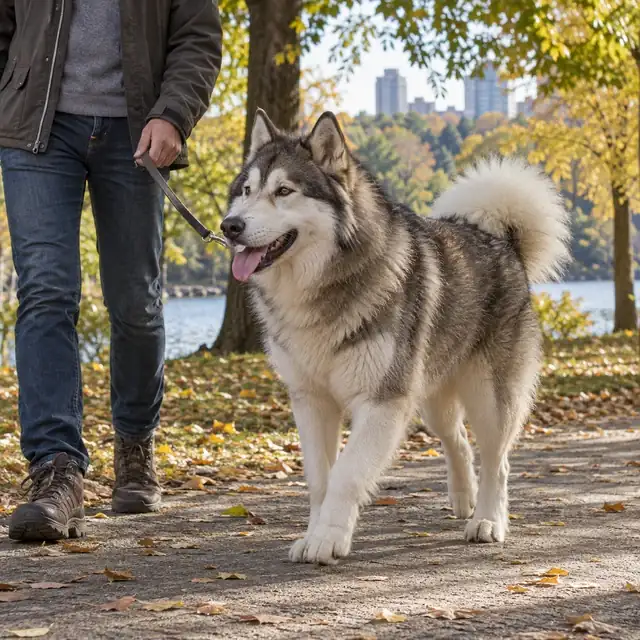
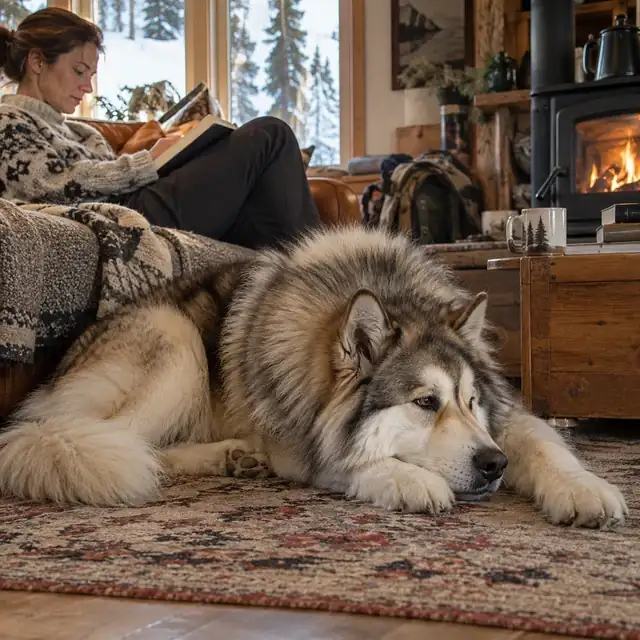
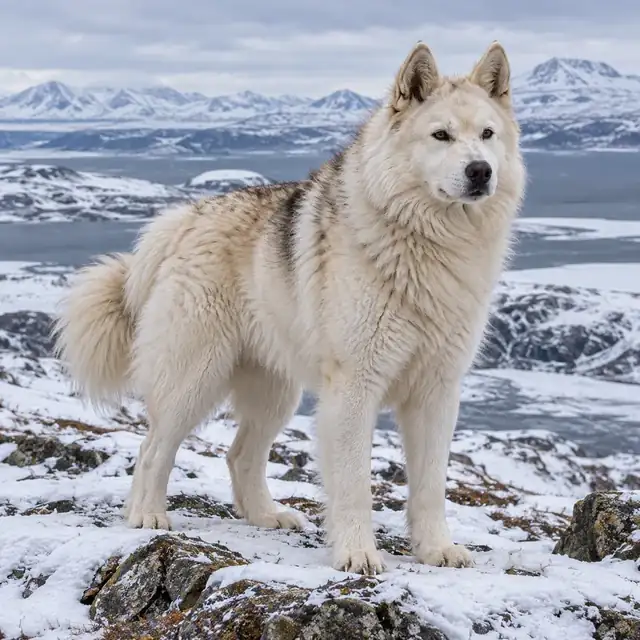
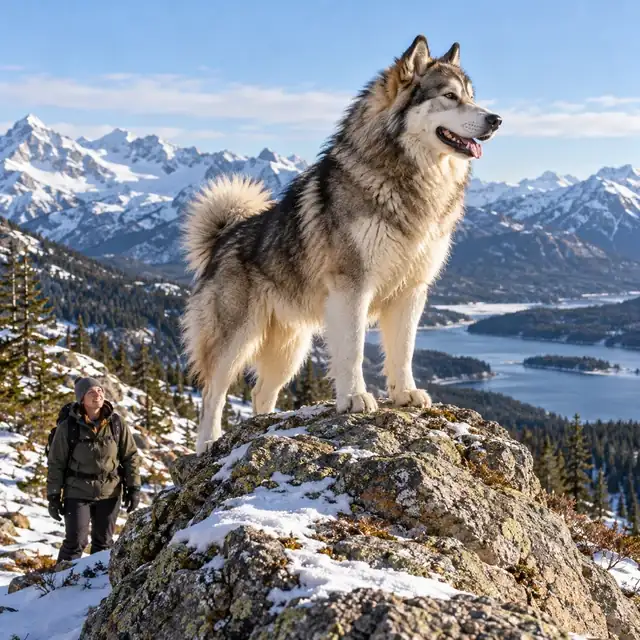
Canadian Eskimo dog (kimmick) - a large, powerful riding spitz with thick hair, males 58-70 cm, females 50-60 cm. Gentle with acquaintances, gregarious and vocal, distinguished by whining, not barking. Not a children's dog and not for a warm climate: it needs the cold, long hours of work and an experienced owner.
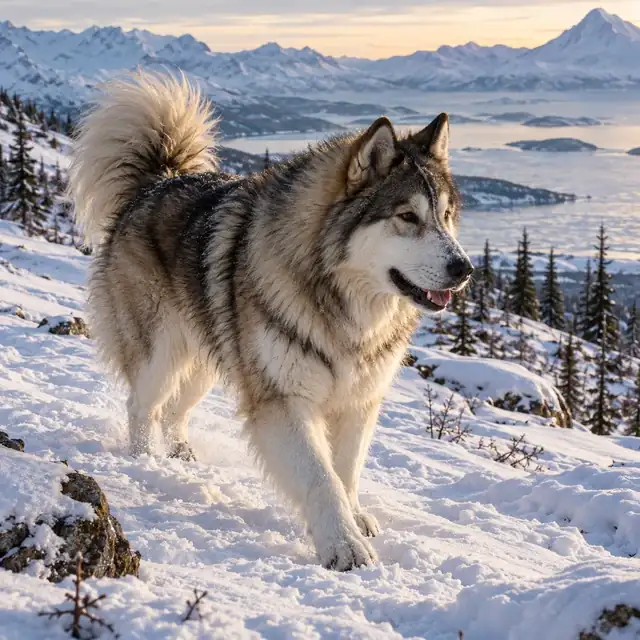
It is poorly adapted to a temperate climate. Suitable for an adult family living in a cold climate, with space and experience in keeping sled dogs. Clamorous.
Requires a lot of movement in the fresh air: worked all day in a team. Daily training, long runs or traction work are required.
A pack dog, overly sensitive to stimuli, therefore needs consistent daily training. Early socialization helps, but forceful education does not.
Regular combing is sufficient, but during the annual shedding, an undercoat brush-rake is needed to prevent swallowing. Bathing only when necessary, ears and claws are inspected.
Gentle with acquaintances, but considered unsuitable as a children's pet: size, strength and reactivity require supervision. Suitable for adult homes.
A pack dog, he accepts the company of dogs well, but small animals are his target. Interest in moving objects is high.
Estimates help compare breeds. For zooaggression, 5/5 means less tendency to aggression towards dogs. The behavior and health of a particular dog depend on many factors.
Average score: gentle with acquaintances, but gregarious and independent. Behavior depends on upbringing.
Average score: needs consistent daily training and an experienced owner.
Average score: gregarious, but small animals are his target, and territorial conflicts are possible.
There is no comparative assessment of Canadian Eskimo dog survival in the British cohort. The absence of said risk does not prove the absence of hereditary diseases, so screening of parents is important.
Very low rating: Thick coat and heavy seasonal shedding require considerable effort and the climate must be cold.
Breed screening: detailed data on hereditary diseases of the "Canadian Eskimo dog" breed are scarce. Ask the breeder for documentary results of examinations of both parents and current recommendations of the club.
Musculoskeletal system: for the breed "Canadian Eskimo dog", the load is selected according to age and condition. Limping, pain or reluctance to move is a reason to consult a veterinarian.
The preventive examination for the breed "Canadian Eskimo Dog" covers the eyes, heart and ears; the breed club and veterinarian will tell you how often to do special checks.