Human orientation
Medium-high rating: obedient and devoted to the family, but independent and resourceful. Behavior depends on upbringing.
THE PAW CATALOG
Origin: Great Britain
Both types of corgi were bred in Pembrokeshire in Wales as farm dogs. Cardigan helped herd cattle, guarded the yard and kept the family company. It is distinguished from the Pembroke by a long tail, larger rounded ears and a wider palette of colors.
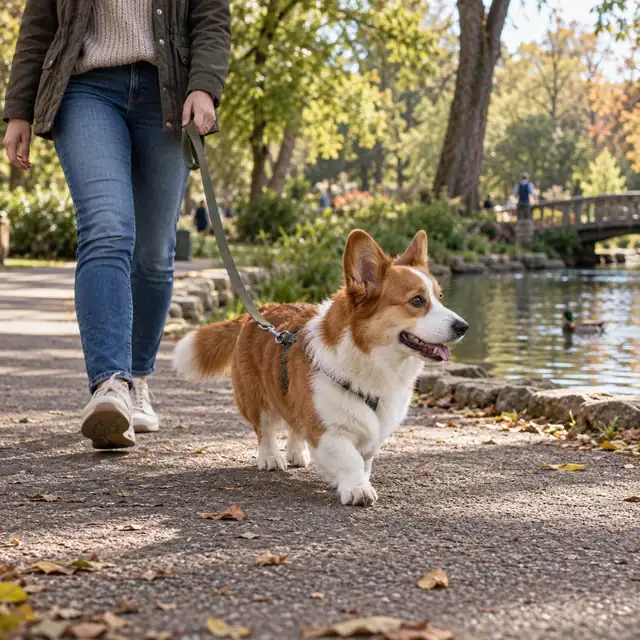
The Cardigan Welsh Corgi is a short, hardy shepherd with a long foxtail that almost touches the ground and rounded ears. Weighs less than 11 kg, ideal height is about 30 cm. Obedient, smart, independent and devoted to the family. Needs a daily walk, mental work and weight control.

It adapts well to different lifestyles, in particular to an apartment or a house with a small yard, if there are daily walks. Likes to organize the family: drives the children, encourages the guests to move. The barking is not quiet, which should be taken into account in an apartment building.
Approximately 40 minutes of movement per day: a brisk walk plus a game. Short legs are harmed by jumps from a height and long stairs, so the load is selected taking into account the back.
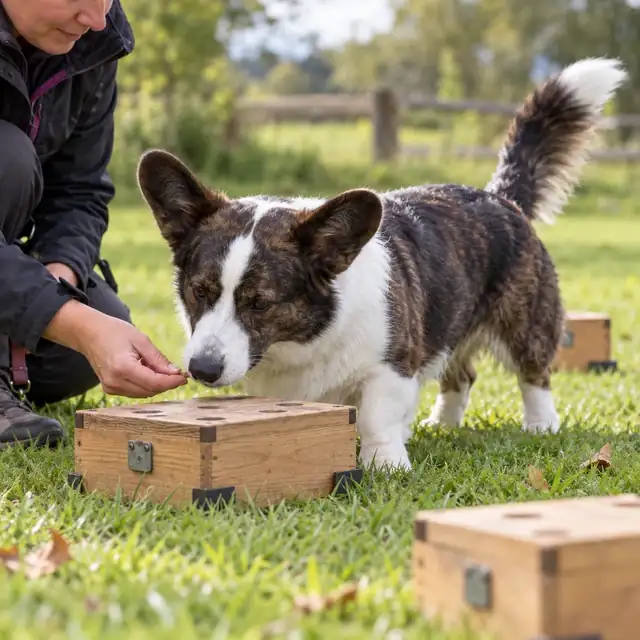
Willingly cooperates, at the same time independent and resourceful. Classes should be short and varied, otherwise he finds his entertainment. Fetching, olfactory games and simple tricks are especially useful. The desire to "fit" the heels is corrected from an early age.
The coat is short or medium, stiff, with a dense undercoat, and does not require trimming. It is combed daily during molting, and several times a week are enough for the rest of the year. They bathe only when necessary, clean their ears, trim their claws.
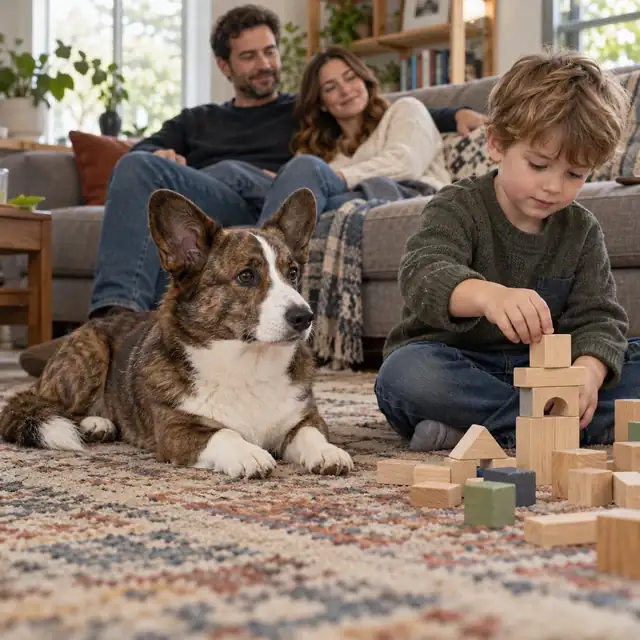
Friendly, patient and loyal, gets along well with schoolchildren. He is careful with children, but may try to "drive" them by pinching their heels, so games require supervision and explanations for the child.
Herding experience helps to get along with other dogs, but there may be a desire to control their movement. Cats in a shared house usually get along with early socialization, and small rodents need a sheltered place.
Estimates help compare breeds. For zooaggression, 5/5 means less tendency to aggression towards dogs. The behavior and health of a particular dog depend on many factors.
Medium-high rating: obedient and devoted to the family, but independent and resourceful. Behavior depends on upbringing.
High score: Willing to cooperate and learn quickly, and the variety of exercises helps to keep interest.
Average score: gets along with dogs and cats after early socialization, but herding habit needs correction.
In the British cohort, the median lifespan of the breed was 13.1 years; small sample: 69 deaths. Among the described breed risks: hip dysplasia, progressive retinal atrophy, degenerative myelopathy; examination of the parents is confirmed with the veterinarian.
Medium-high grade: No trimming needed, but daily brushing is required during shedding and weight needs to be monitored.
Hip dysplasia occurs in the breed. Before the purchase, they ask for the results of an X-ray examination of the hip joints of both parents.
Progressive retinal atrophy is a hereditary eye disease that gradually reduces vision. Breeders check pedigree dogs, and night blindness can be the first sign.
Degenerative myelopathy is a slow lesion of the spinal cord, manifested by weakness of the hind legs in old age. There is a genetic test, so the breeder is asked for the results.