Human orientation
Medium-high rating: loyal to family, wary of strangers. Behavior depends on upbringing.
THE PAW CATALOG
Origin: Portugal
It is considered one of the oldest breeds of the Iberian Peninsula. Named after the village of Castro Laboreiro in the municipality of Melgas in the far north of Portugal. It originates from the harsh mountainous region between the Minho River and the Peneda and Soja mountains, where the height reaches about 1400 m. The protection of flocks from wolves in the native region is especially important. In the FCI classification, it belongs to group 2.
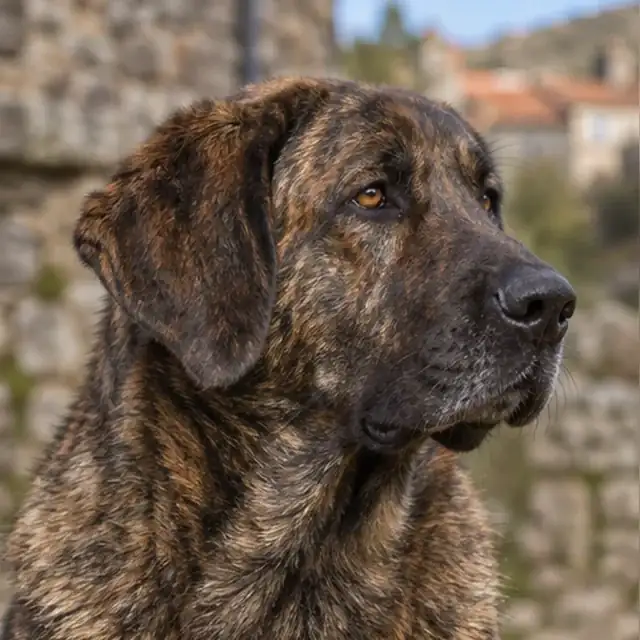
The Castro-Laboreiro dog is a large (55-64 cm, 25-40 kg) Portuguese watchdog and herding dog with a short, dense coat without an undercoat, usually wolf-gray or brindle. Faithful and gentle in the family, confident, wary of strangers. It has a characteristic alarming bark. Needs space and an experienced owner.
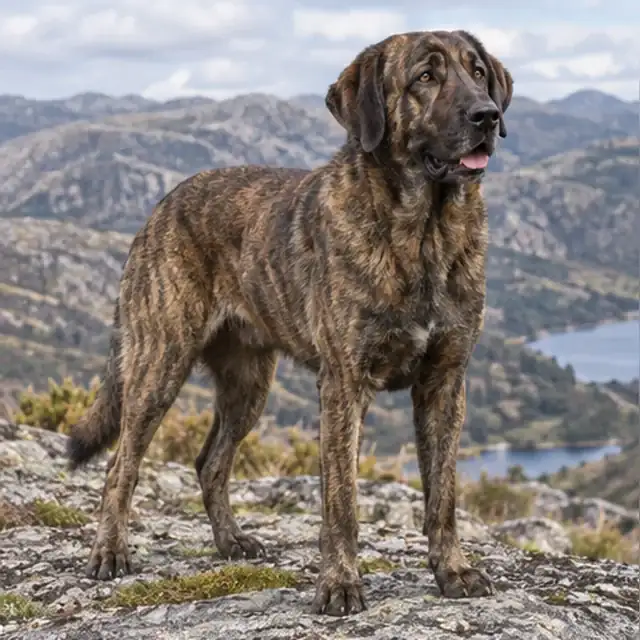
This is a dog for a private area with a strong fence. Unsuitable for an apartment: a watchman by temperament.
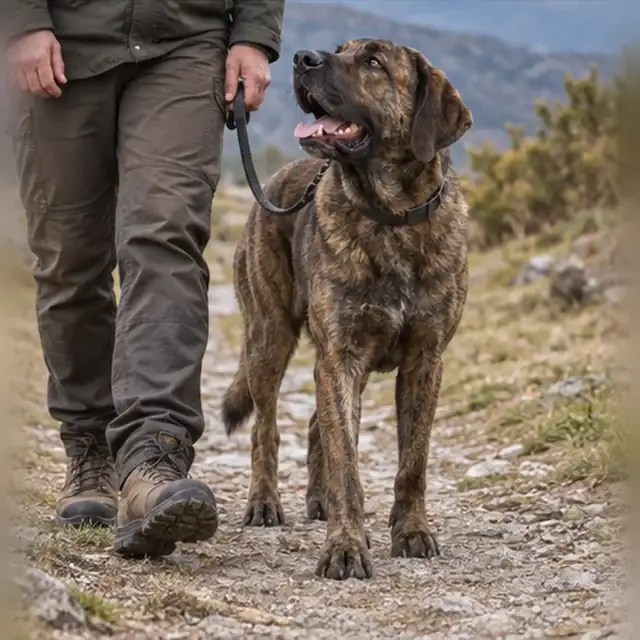
Moderately tall: alert, active and agile; needs space and walks.
Sensitive and independent. Early socialization, a calm and consistent owner are required. Timidity and aggression in the breed are considered serious defects.
Short hair is combed once a week, more often during shedding. Ears are examined, claws are trimmed.
Gentle in the family. Due to the size and guarding instinct, contacts with children, especially strangers, are supervised.
Protector of the flock. He can be wary of strangers, but not grumpy.
Estimates help compare breeds. For zooaggression, 5/5 means less tendency to aggression towards dogs. The behavior and health of a particular dog depend on many factors.
Medium-high rating: loyal to family, wary of strangers. Behavior depends on upbringing.
Average score: sensitive but independent.
Average score: defender of the flock.
There is no comparable survival estimate for the breed in the British cohort used. The absence of the mentioned risk does not prove the absence of hereditary diseases.
High score: short coat.
Breed screening: there are few descriptions of hereditary diseases of the "Kashtru-Laboreiro" breed. Ask the breeder for the written results of the parents' examinations and the current requirements of the club.
Musculoskeletal system: growth, weight and load of the "Kashtru-Laboreiro" breed should correspond to the age. Pain, lameness, or reluctance to move require a veterinary examination.
Eyes and heart need regular attention from a doctor. The frequency of special examinations is determined according to the recommendations of the club and the veterinarian. Ask the breeder what tests the parents have passed.