Human orientation
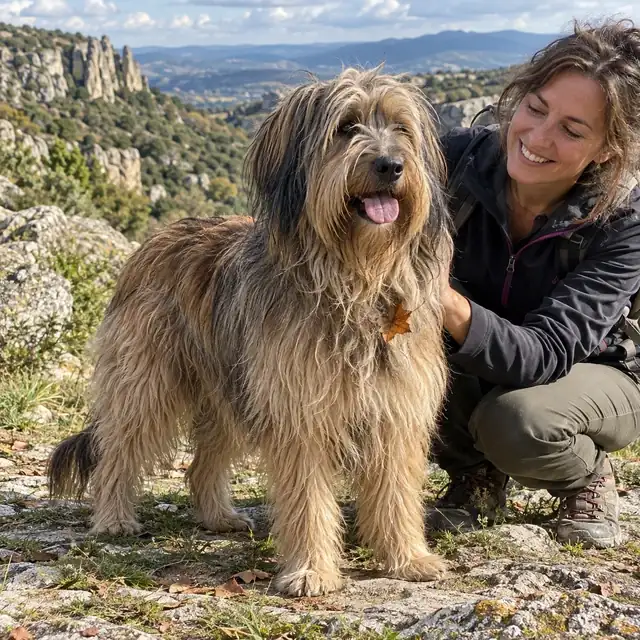
High score: the Catalan Shepherd Dog is devoted to its family, although it is wary of strangers. Behavior depends on socialization.
THE PAW CATALOG
Origin: Catalonia, Spain
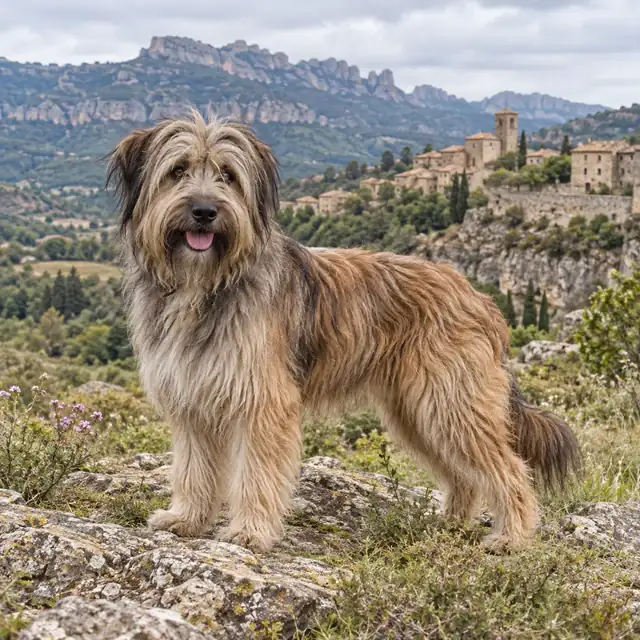
It comes from Catalonia in northeastern Spain. According to one of the legends, the Romans brought their dogs and crossed them with the local ones. The breed worked with shepherds: guarded and grazed livestock. During the Spanish Civil War, it served as a messenger and guard, after the Second World War it lost popularity, and in the 1970s it recovered thanks to breeding. UKC recognized it in 2006.
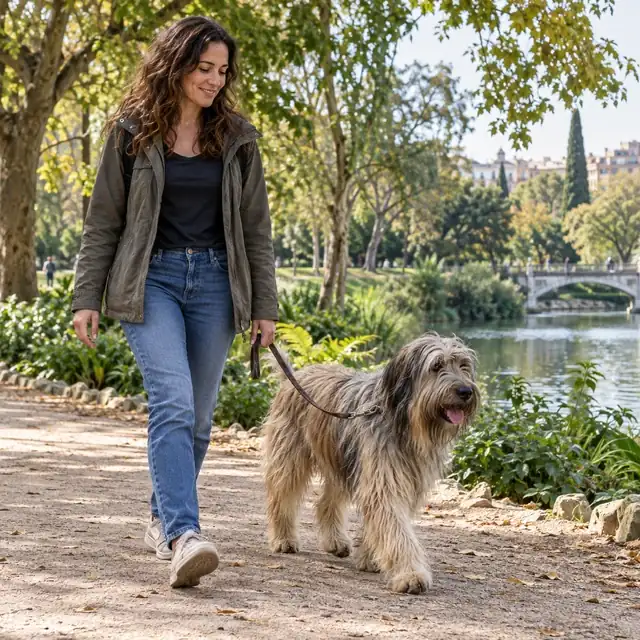
The Catalan Shepherd is a medium (43-48 cm, 17-25 kg) herding dog with a long shaggy coat, beard, mustache and bushy eyebrows. Good-natured, energetic, brave and loyal. Needs daily movement, mental tasks and regular grooming.

Suitable for active owners who like daily work with their dog. Loyal and gentle at home, cautious with strangers. Loves free space.
Daily long walks, running and games in the yard. Mental tasks and sports, such as agility, match her energy and intelligence.
Responds well to positive reinforcement and consistency. Early socialization with people, places and situations is recommended. Useful agility, rail, obedience.
The double coat is combed regularly, because it is prone to tangles, and the beard and mustache need special attention. Ears are cleaned, nails are trimmed, teeth are brushed constantly.
At home, she is loyal and usually gets along well with children under adult supervision. A shepherd's habit of chasing can be manifested during a run.
Usually friendly to other dogs and pets, but wary of strangers. The shepherd's habit of controlling traffic needs correction.
Estimates help compare breeds. For zooaggression, 5/5 means less tendency to aggression towards dogs. The behavior and health of a particular dog depend on many factors.
High score: the Catalan Shepherd Dog is devoted to its family, although it is wary of strangers. Behavior depends on socialization.
Average: Responds well to positive reinforcement but needs consistency.
Average score: usually dog-friendly, herding habit needs correction.
There is no comparable survival estimate for the breed in the British cohort used. Among the described breed risks: hip dysplasia, eye diseases; examination of the parents is confirmed with the veterinarian.
Medium-low rating: long shaggy coat, beard and mustache need regular grooming.
Hip dysplasia is possible in the breed. They ask for the results of the parents' examinations, and the weight is kept within the norm. Portions are measured, treats are limited.
Eye diseases are possible in separate lines. A preventive eye examination is appropriate according to the club's recommendations.