Human orientation
Sociable and gentle with the family, willing to spend time together.
THE PAW CATALOG
Origin: Czech Republic
Bred in Czechoslovakia. It was created by the hunter and breeder Frantisek Horak, who received the first litter in 1949, wanting to have a Czech hunting terrier. He kept detailed tribal records and did not leave work either during the war or during the communist regime. FCI recognized the breed in 1963, and AKC in 2011. Horak wanted a terrier for hunting rabbit, pheasant, duck, fox and badger, as well as chasing wild boar.
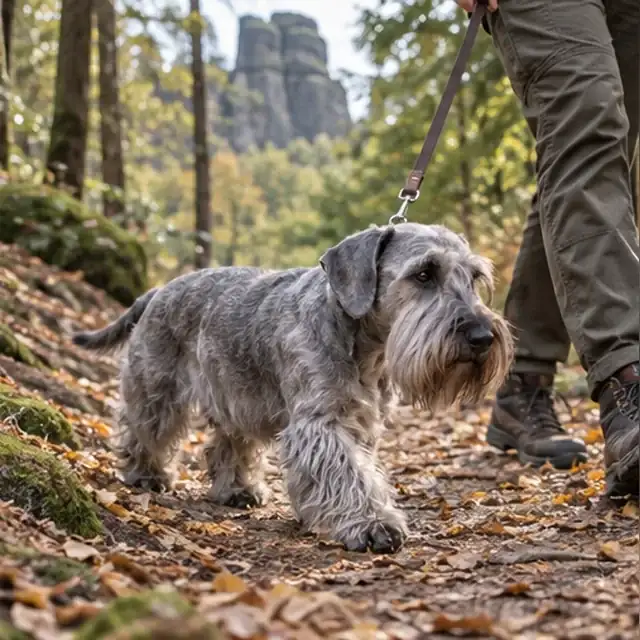
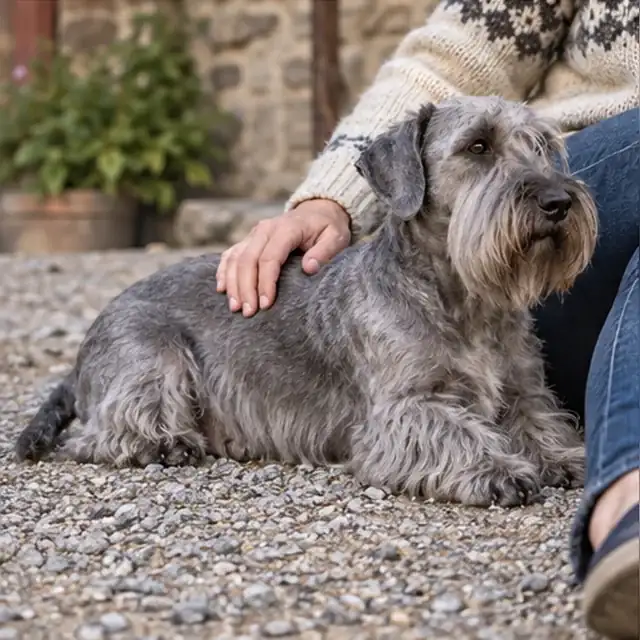
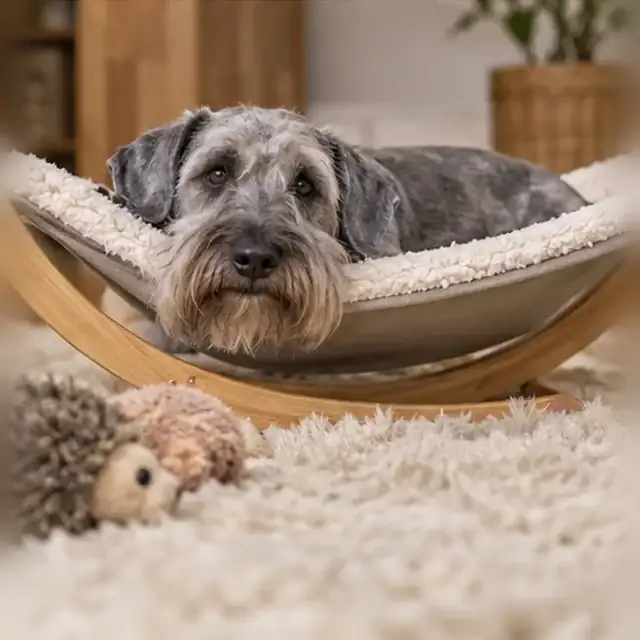
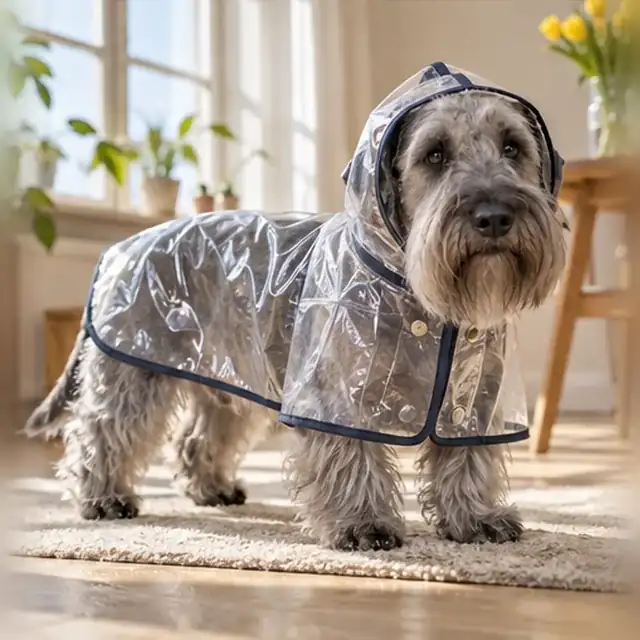
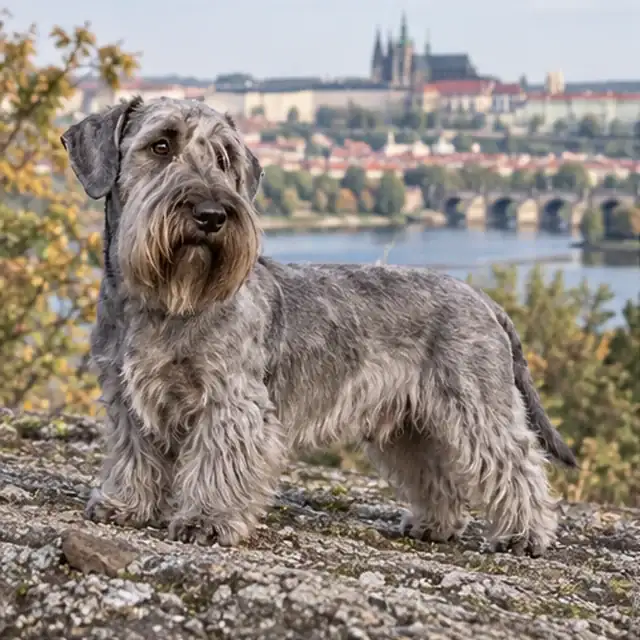
The Czech Terrier is a short, short-legged terrier with a soft silky coat, beard and eyebrows. Intelligent and sociable, decisive in hunting, and friendly with people. Designed for burrowing, therefore slightly shorter and narrower than the Scotch Terrier. Calmer than most terriers and well suited to family life.
It is well suited for living in an apartment and a house, if there are daily walks. Likes to be around people. The hunting instinct requires a fenced area or a leash.
Moderate Daily walks, games and mental tasks. Runs willingly, but does not require excessive exercise.
Clever and willing to learn, but terrier independence requires patience. Classes are short and interesting, with rewards. Early socialization helps to raise a well-balanced dog.
Silk wool is machine-shorn rather than hand-trimmed, so care is easier. Long hair on the face and lower body is left for protection. The wool is combed several times a week, the beard is wiped after meals. There is no need to trim the tail.
Usually friendly and patient. Small children and the dog are not left unattended. A child is taught to be gentle with a small dog.
The terrier's instinct is aimed at rodents, so small animals are not left unattended. Usually gets along with dogs, especially with early socialization.
Estimates help compare breeds. For zooaggression, 5/5 means less tendency to aggression towards dogs. The behavior and health of a particular dog depend on many factors.
Sociable and gentle with the family, willing to spend time together.
Smart, but has terrier independence.
Generally friendly, but perceives rodents as prey.
There is no comparable survival estimate for the breed in the British cohort used. Among the described breed risks: dislocation of the patella, progressive retinal atrophy, cataract; examination of the parents is confirmed with the veterinarian.
Silk wool needs regular combing and clipping with a machine.
Dislocation of the patella is manifested by periodic "jumping" on the hind leg. The doctor assesses the extent of the dislocation, and it depends on whether treatment is needed. It is better to ask the breeder about similar cases in the pedigree.
Progressive Retinal Atrophy: The retina is gradually destroyed, and over time the dog can become blind. Before buying, check whether the parents underwent a DNA test and an ophthalmologist examination.
Cataract: clouding of the lens; regular examinations by a veterinary ophthalmologist, changes in vision or the appearance of the eyes are not ignored.