Human orientation
Very attached to the owner, wants to be close.
THE PAW CATALOG
Origin: Mexico
Probably comes from the Mexican state of Chihuahua. Her ancestor is considered to be Tekichi - a small companion that was domesticated by the Toltecs. After the Spanish conquest, the breed almost disappeared, but it survived in remote villages, and in the 19th century it gained popularity again.
Chihuahua is the smallest breed in the world, usually no more than 2.7 kg. Loyal, charming, lively and brave, with a lot of character in a small body. Intelligent, therefore, without upbringing, he quickly becomes a "little tyrant" in the house. Feels good in an apartment, gets attached to one person or family. Because of its size, it needs careful handling, especially with children.

Well suited for living in an apartment: small, lively, does not need large spaces. Likes to be close to a person and does not tolerate loneliness well. It is cold in winter, so you need clothes in the cold.
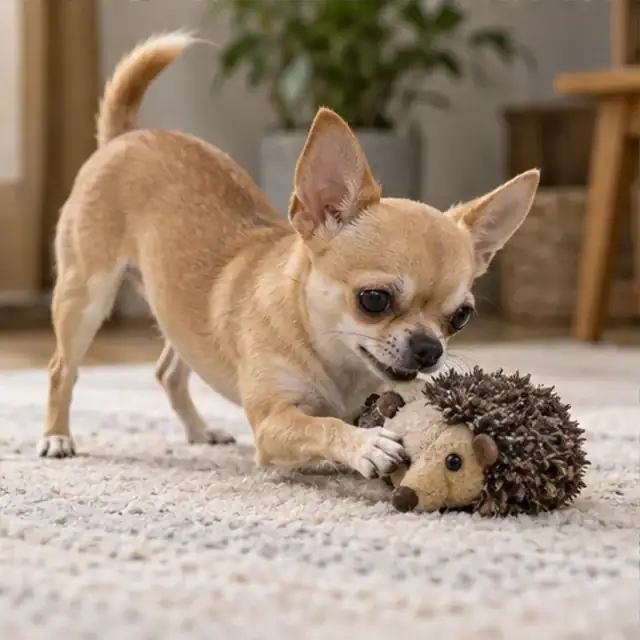
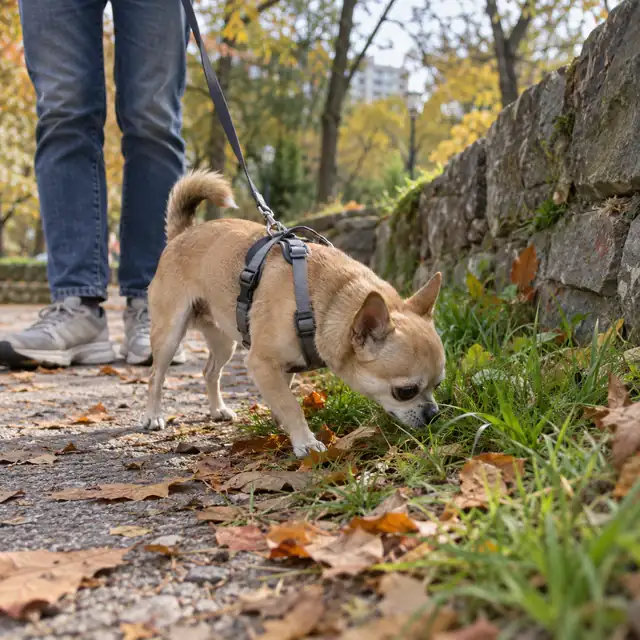
Moderate Lively and energetic, loves to play in the yard and explore the area. Short daily walks and games are sufficient.
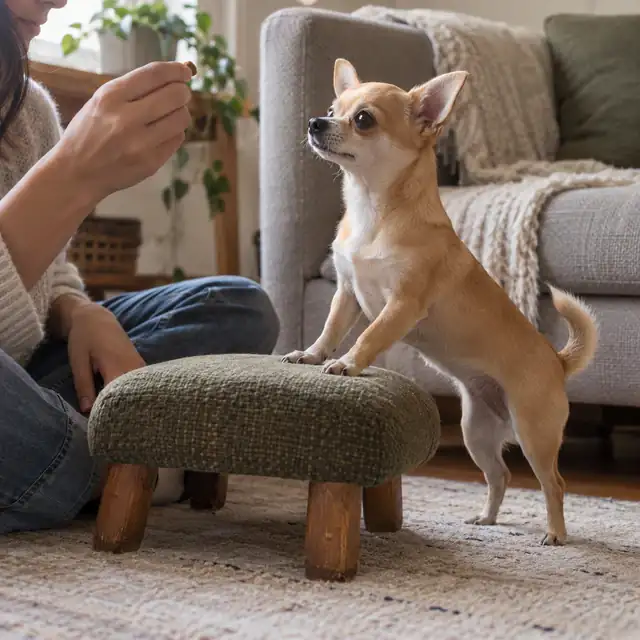
Despite the size, needs training and socialization. Responds well to obedience, agility and tricks. Without rules, it becomes noisy and overprotective. Rudeness is unacceptable, because the dog is very fragile.
Long-haired individuals need brushing at least once a week and regular bathing. For both types of coat, regular nail trimming, teeth brushing and ear checks are important to prevent infections.
Can be a good family dog, but children need to be explained how small and fragile it is. Children and the dog are always supervised by an adult. Small children with Chihuahuas are not left behind.
Usually gets along easily with larger dogs and other animals, but his courage can fail him in front of large dogs. Safety is monitored on the walk.
Estimates help compare breeds. For zooaggression, 5/5 means less tendency to aggression towards dogs. The behavior and health of a particular dog depend on many factors.
Very attached to the owner, wants to be close.
Intelligent, but without education becomes cranky and noisy.
Usually gets along with other animals, although boldness can be excessive.
In the British cohort, the median lifespan of the breed was 11.8 years. Among the described breed risks: epilepsy, dislocation of the patella, eye diseases; examination of the parents is confirmed with the veterinarian.
Care is simple, but teeth, claws and ears need constant attention.
Patellae: Due to the risk of joint dislocation, patellar evaluation is recommended for pedigree dogs. Periodic "jumping" on the paw is a reason for inspection.
Heart: The breed is prone to heart defects, including patent ductus arteriosus and mitral valve disease. The heart is examined during routine visits.
Eyes: An eye exam helps detect hereditary and acquired eye problems.
Teeth: A small jaw increases the risk of crowded teeth and periodontal problems, so regular home hygiene is necessary.