Human orientation
Medium-high rating: likes to spend time with the owner, but can be reserved with strangers. Behavior depends on socialization.
THE PAW CATALOG
Origin: China; patronage of Great Britain
The origin is uncertain. Hairless dogs are known in various regions of the world, and the Chinese Crested was developed during the Han Dynasty. The unusual appearance aroused interest in the West, and the first dogs were shown as a curiosity in the London Zoo. Both varieties can be born in one offspring.
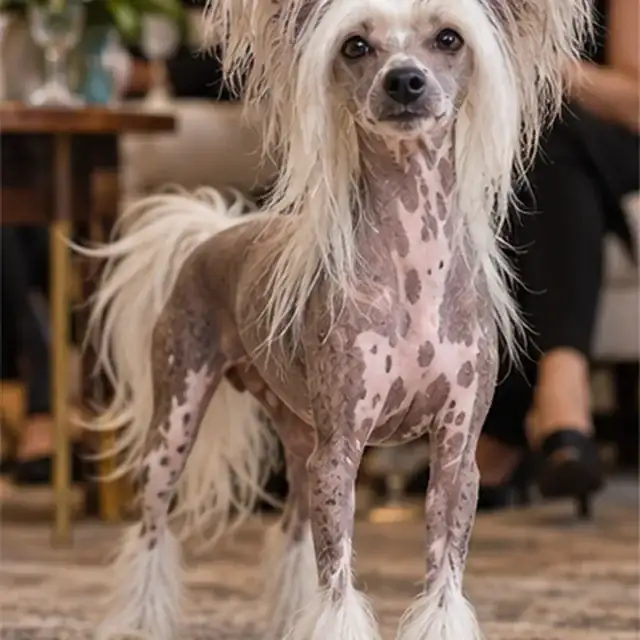
The Chinese crested dog is a small graceful breed (up to 5.4 kg; 23-33 cm) in two varieties: naked with tufts of hair on the head, tail and paws and fluffy "powderpuff" with thin, soft hair. Alive, sensitive and attached to a person. Needs warmth, skin care and gentle nurturing.

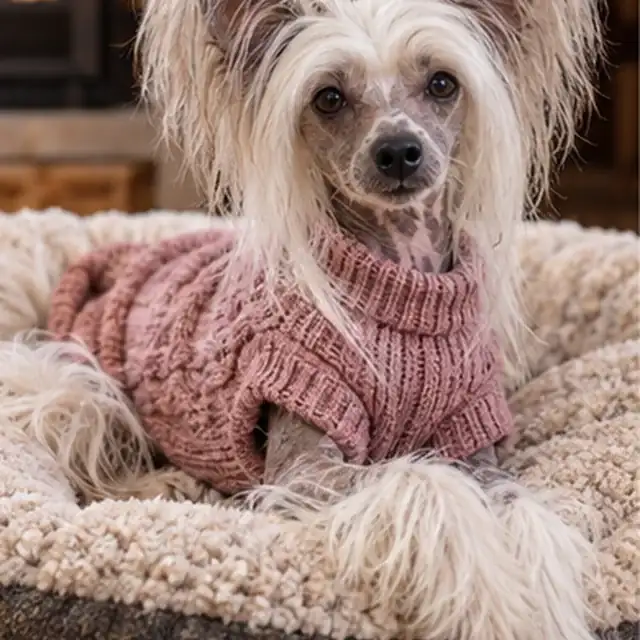
A pet dog that needs warmth: a bed and warm clothes in winter. The yard must be completely fenced, because the dog passes through narrow gaps. Loves time with owner.
Moderate: daily short walks and games. This is primarily a domestic dog, so they do not walk for long in the cold.
Sensitive, so gentle, patient training works best. He can be reserved towards strangers, so early socialization is necessary. Harsh behavior causes fear.
The naked variety needs regular skin care: selected products, sunscreen and moisturizer, because exposed skin is prone to irritation, allergies and burns. The fluffy variety is combed every few days.
Cheerful and friendly, but small and fragile, so games with babies take place under supervision. Does not tolerate rough treatment.
Usually sociable, especially in familiar surroundings. Can respond to provocations. Small rodents in a shared house are at risk.
Estimates help compare breeds. For zooaggression, 5/5 means less tendency to aggression towards dogs. The behavior and health of a particular dog depend on many factors.
Medium-high rating: likes to spend time with the owner, but can be reserved with strangers. Behavior depends on socialization.
Medium-High: Intelligent and sensitive, learns best with gentleness and patience.
Average score: usually sociable, but can react to provocations.
In the British cohort, the median lifespan of the breed was 13.4 years. Among the described breed risks: epilepsy, dislocation of the patella, progressive retinal atrophy; examination of the parents is confirmed with the veterinarian.
Medium-high rating: the naked variety needs skin care, the furry one needs brushing every few days.
Epilepsy sometimes runs in the breed. Ask the breeder about cases of convulsions in the line, and at the first attacks contact the veterinarian.
Dislocation of the patella is a common problem of small breeds. Signs: periodic jumping on the hind paw. The degree is assessed by a veterinarian.
Progressive retinal atrophy is a hereditary eye disease that gradually reduces vision. Pedigree dogs are examined, and night blindness may be the first sign.
Glaucoma is increased intraocular pressure that threatens vision. Pain, redness and clouding of the eye require immediate examination.
Primary dislocation of the lens is displacement of the lens, which can lead to secondary glaucoma. The eyes of pedigree dogs are checked according to the club's recommendations.