Human orientation
He is closely attached to his family, but is reserved and independent.
THE PAW CATALOG
Origin: China; patronage of Great Britain
An ancient Chinese breed that can be traced back to at least 150 BC in written sources and sculptures. It was used for hunting, grazing, transporting goods and guarding temples. Perhaps it comes from the high steppes of Siberia or Mongolia.
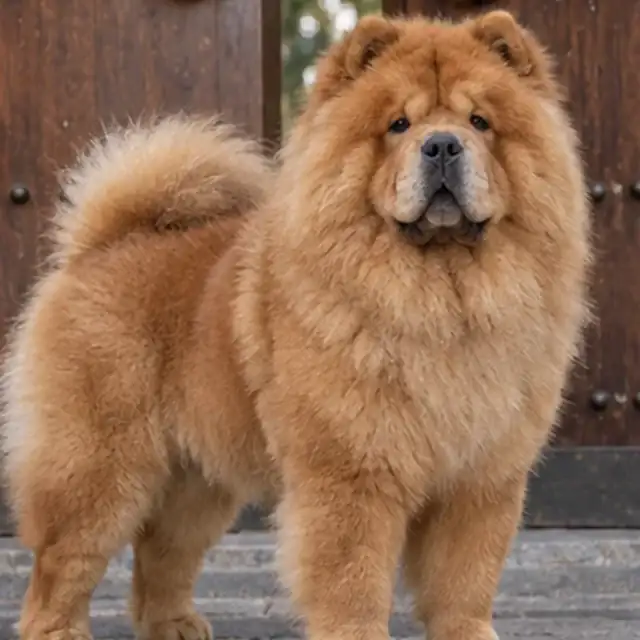
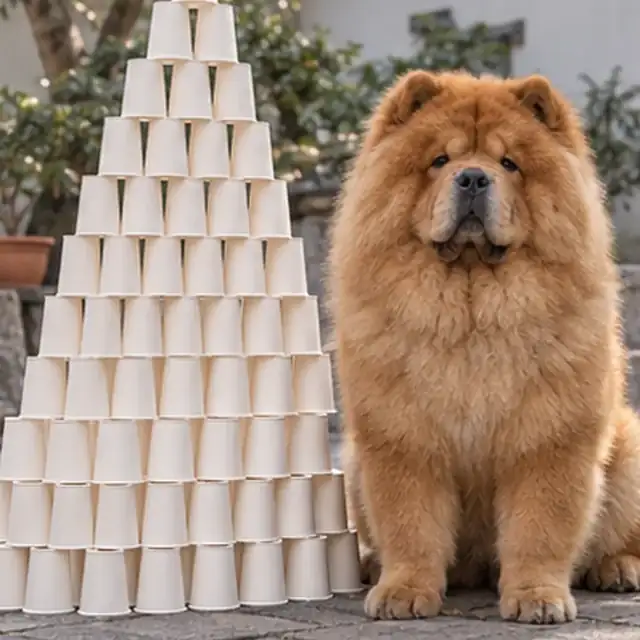
The Chow Chow is a stocky dog about 46 cm tall with thick, mane-like fur, a blue-black tongue, and a sullen expression. Intelligent, devoted and closely tied to the family, but reserved and independent. Silent, rarely barks. Stays away from strangers. Needs early socialization and an owner who does not demand unconditional obedience.
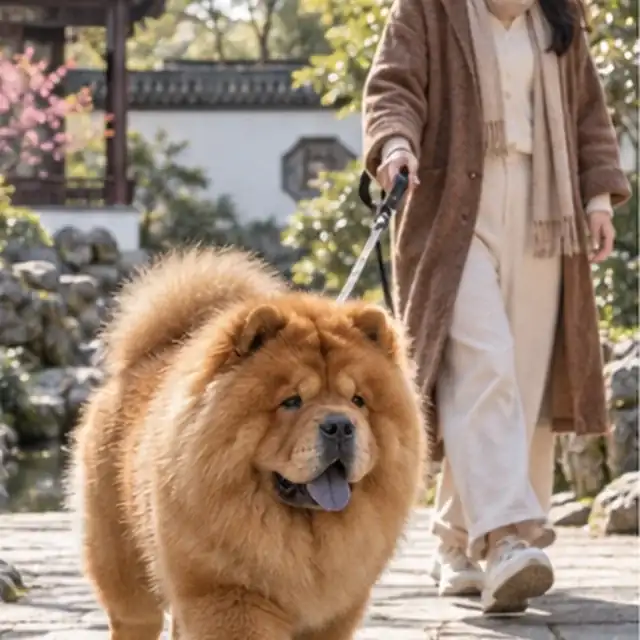
Suitable for experienced owners who appreciate a restrained character and are ready to care for thick wool. Can live indoors, but needs a daily walk. The heat is hard for him.
Flexible May be happy with indoor life or happy to walk about 5 km a day. Do not let go of the leash.
Very intelligent, but does not seek to please, so training is difficult. Early socialization and clear rules are essential. Classes are calm and consistent. They do not let him go without a leash, because he often does not return to the team.
The double coat is combed for about an hour every week, more often during the two seasonal molts. Bathing about once every three months keeps the skin healthy. The folds on the face and ears are examined.
Suitable for families if children can handle dogs. Usually not playful with children, does not carry the ball. Constant supervision is mandatory.
Can live with other animals if socialized from an early age. Has a strong hunting instinct, so rabbits, poultry and birds are not suitable. With cats - only if you grew up together.
Estimates help compare breeds. For zooaggression, 5/5 means less tendency to aggression towards dogs. The behavior and health of a particular dog depend on many factors.
He is closely attached to his family, but is reserved and independent.
Intelligent, but does not seek to please, which makes training difficult.
Strong hunting instinct, gets along only with those animals with which he grew up.
In the British cohort, the median lifespan of the breed was 12.1 years. Among the described breed risks: dysplasia of the hip joints, dysplasia of the elbow joints, twisting of the eyelids; examination of the parents is confirmed with the veterinarian.
Thick wool needs weekly combing, and more often during shedding.
Hip Dysplasia: Parents look at joint health before choosing a puppy. A flat surface and moderate walks help the joints during the growing season. If the dog is limping or reluctant to get up, it is examined by a doctor.
Dysplasia of the elbow joints: parents look at the health of the joints before choosing a puppy. The weight is kept normal. Lameness is shown to the veterinarian.
Eyelid rolling (entropion): The eyelids roll inward and irritate the cornea. Tearing, squinting or redness of the eye requires a veterinary examination.
Allergic skin diseases: itching, redness and baldness require a veterinary examination.