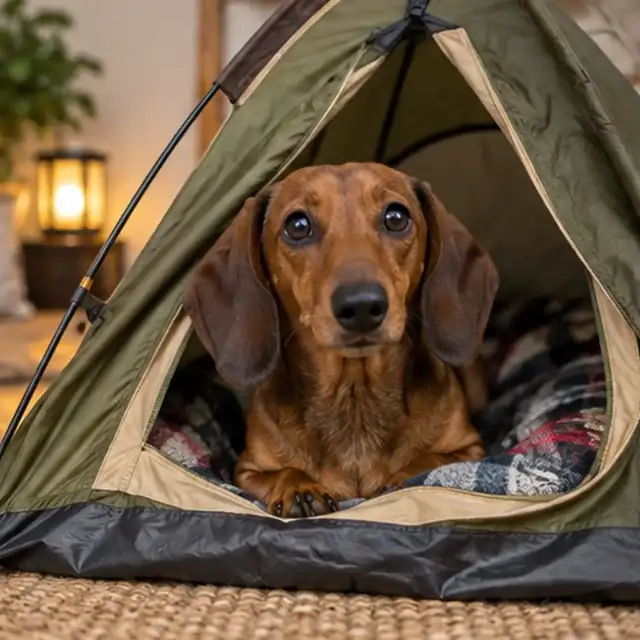
Human orientation
Very high score: devoted to family, but stubborn. Behavior depends on upbringing.
THE PAW CATALOG
Origin: Germany
The dachshund was bred in Germany: foresters and nobles used it to hunt badgers, foxes and rabbits in dense forests - both above ground and in burrows. In the FCI classification, it belongs to group 4.
Dachshund is a short, long hunting dog known for its courage, character and devotion to the family. Available in sizes (standard approximately 9-12 kg, miniature up to 5 kg) and with smooth, hard or long hair. Smart, but stubborn. Requires weight control and back protection.
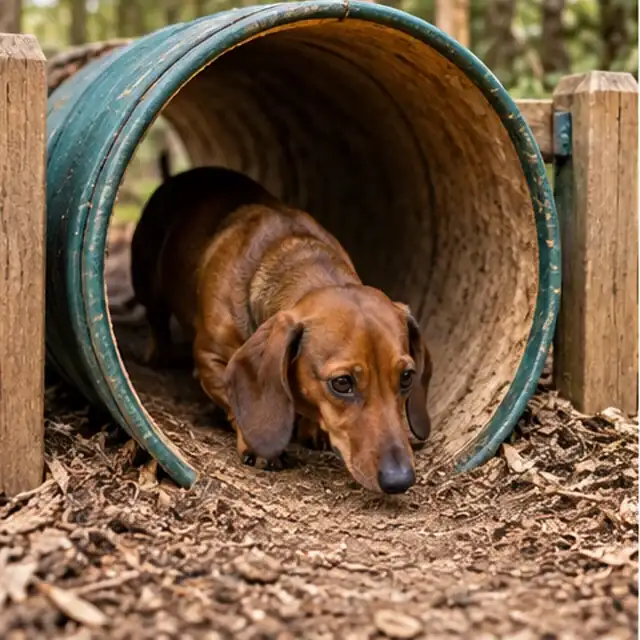
Adapts well to life at home. Likes to lie down, but requires regular activity. She is bored in the yard, but also likes to eat and quickly gains weight.
Regular walks; weight control is mandatory.
Smart, brave and purposeful, but can be stubborn. Classes are short, with treats. The hunting instinct remains.
The smooth-coated dachshund needs minimal care: weekly combing and infrequent bathing. Hard and long hair are combed more often. Claws are trimmed, ears are examined.
Described as an ideal family dog. Due to the long back, they do not lift her by her front legs and do not allow her to jump from a height.
Generally gets along well with other pets. The hunting instinct needs attention along with small animals.
Estimates help compare breeds. For zooaggression, 5/5 means less tendency to aggression towards dogs. The behavior and health of a particular dog depend on many factors.
Very high score: devoted to family, but stubborn. Behavior depends on upbringing.
Medium-High Rating: Smart but stubborn.
Medium-High Rating: Hunting Instinct.
In the British cohort, the median lifespan of the breed was 13.2 years. Among the described breed risks: intervertebral disc disease; examination of the parents is confirmed with the veterinarian.
High rating: the smooth-coated variety requires minimal maintenance.
Intervertebral disc disease (IVDD): A long back is prone to disc damage. They are not allowed to jump from a height, keep their weight at a normal level, and back pain, weakness of the hind legs or a shaky gait require an immediate visit to the veterinarian. Heart diseases are also described.
Breed screening: ask the breeder for documented results of examinations of both parents.
Musculoskeletal system: growth and load of the Dachshund breed should correspond to age. Lameness, pain, or reluctance to move require a veterinary examination.
During preventive visits, the veterinarian checks the eyes and the heart. The schedule of in-depth checks is coordinated with the veterinarian and the breed club. Ask the breeder what tests the parents have passed.