Human orientation
Medium-high rating: attached to the family, but proud and strong-willed. Behavior depends on upbringing.
THE PAW CATALOG
Origin: Great Britain
The breed got its name from the farmer-hero of Walter Scott's novel "Guy Mannering" (1814). In the 19th and early 20th centuries, it was popular, but during the Second World War it lost many lines and is now rare: less than 300 puppies are born in the world per year.
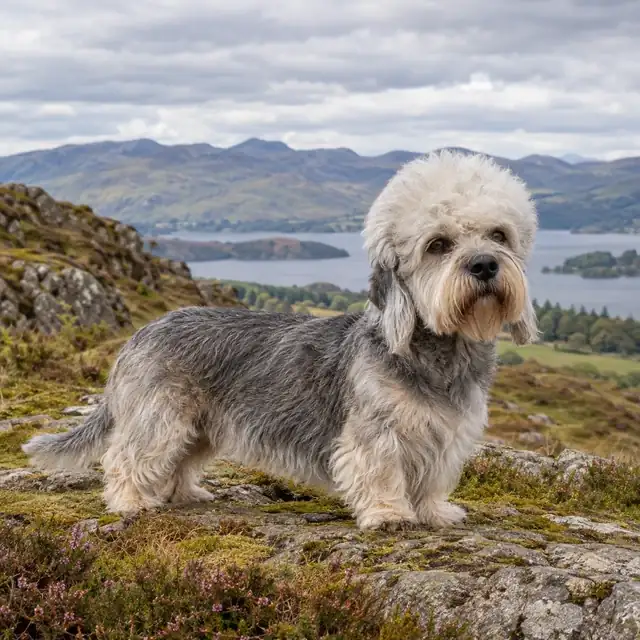
The Dandy Dinmont Terrier is a short, long terrier on short, strong legs with a large head and a fluffy "cup" on it. Height 20-28 cm. Proud, persistent and hardy, gentle at home. Needs a kind but firm hand, moderate walks and regular grooming.
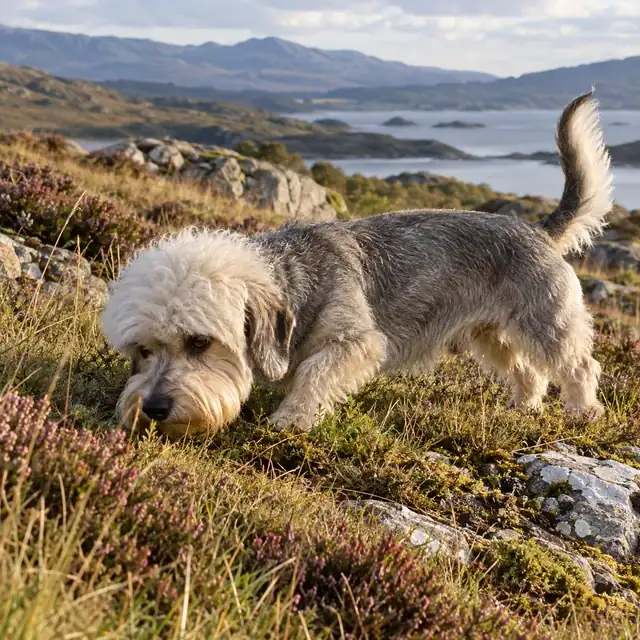
Suitable for apartment and house, if he walks every day. Less energetic than many terriers, but needs time with family to feel good. Likes to dig.
Does not require intensive loads. Daily walks and games are enough. It is more important that the dog regularly spends time with the family.
Smart, but strong-willed. A gentle but firm and consistent hand is needed, especially from an early age, and learning with rewards.
Wool does not shed. For exhibitions, it is plucked by hand, and domestic dogs are combed weekly, the body is cut short, and the head and paws are shaped three or four times a year.
Usually friendly, patient and gentle. Due to the long body and vulnerable back, children are taught not to lift the dog without support.
A terrier background means an interest in rodents and small animals. Gets along with dogs during socialization, although it can be strong-willed.
Estimates help compare breeds. For zooaggression, 5/5 means less tendency to aggression towards dogs. The behavior and health of a particular dog depend on many factors.
Medium-high rating: attached to the family, but proud and strong-willed. Behavior depends on upbringing.
Medium-High Rating: Intelligent, yet strong-willed, requiring patient consistency.
Average score: peaceful with dogs during socialization, but the hunting instinct for rodents needs to be controlled.
In the British cohort, the median lifespan of the breed was 12.8 years; small sample: 66 deaths. The absence of the mentioned risk does not prove the absence of hereditary diseases.
Average score: coat does not shed, but needs brushing, clipping or plucking.
Pedigree screening: detailed data on hereditary diseases is scarce. Ask the breeder for the results of parentage examinations and current club recommendations. Watch your weight.
Musculoskeletal System: Long body and short legs require weight control and careful handling of the back. Lameness, pain, or reluctance to move require a veterinary examination.
A preventive examination includes the eyes, heart and ears. The frequency of inspections is determined by the advice of the club and the veterinarian.