Human orientation
Medium-high rating: gentle, loyal and willing to please. Behavior depends on upbringing.
THE PAW CATALOG
Origin: The Netherlands
It comes from the province of Drenthe in the Netherlands from spaniels that were once brought from France and Spain. He has retained the skills of a dog and a retriever, but nowadays he is more often kept as a companion.
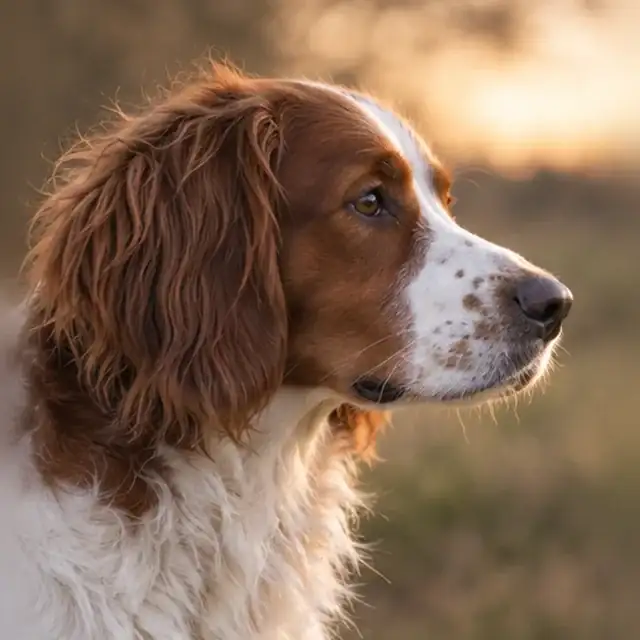
The Drenthe partridge dog is a Dutch hunting dog of medium size (55-66 cm, 18-27 kg) with semi-long hair, most often white with brown or black spots. Gentle, loyal and intelligent, with the instincts of a dog and a retriever. Needs daily movement and patient upbringing.
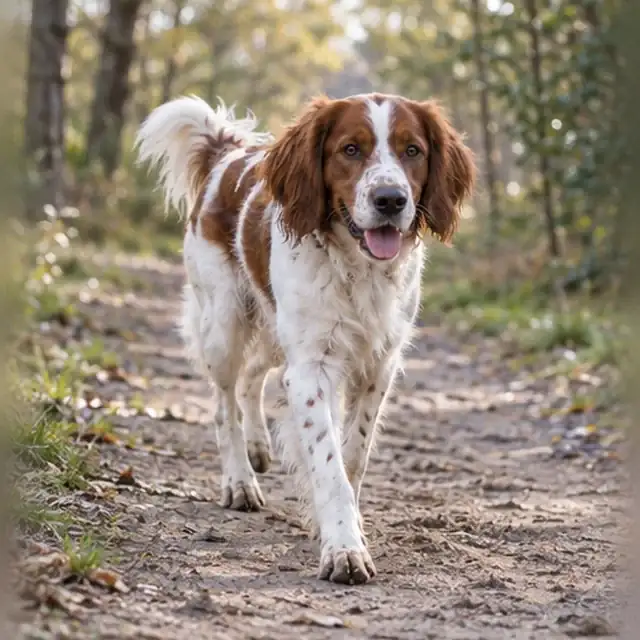
He can live in an apartment if he has enough movement, but he feels better in a house with a large yard. Tied to family, does not like loneliness.
At least an hour and a half every day: walks, hikes, sports. Without movement, he gets bored and gains weight.
Willingly learns and strives to please, but can stubbornly refuse and gets bored quickly. Classes should be varied, with rewards. Useful retrieval, olfactory games, agility.
The semi-long single-layer coat is combed weekly with a comb and brush. Teeth are brushed at least three times a week, nails are trimmed approximately once every two months. Ears are examined.
Usually friendly with children and family. Energy and size require supervision when playing with toddlers.
The hunting instinct can lead to the pursuit of cats outside the home and small animals. It usually gets along with dogs during socialization.
Estimates help compare breeds. For zooaggression, 5/5 means less tendency to aggression towards dogs. The behavior and health of a particular dog depend on many factors.
Medium-high rating: gentle, loyal and willing to please. Behavior depends on upbringing.
Average score: intelligent, but can be stubborn and bored.
Average score: peaceful with dogs, hunting interest in small animals.
There is no comparative survival assessment of the Drenthe partridge dog breed in the British cohort. The absence of said risk does not prove the absence of hereditary diseases, so screening of parents is important.
Average score: semi-long coat is combed weekly, teeth and ears are also needed.
Pedigree screening: progressive retinal atrophy, hereditary stomatocytosis and hip dysplasia are indicated. Ask the breeder for the test results of both parents.
Musculoskeletal system: in order to protect the hip joints, weight is monitored, and loads are dosed during the growth period. Lameness, pain, or reluctance to move require a veterinary examination.
Eyes and general condition: a preventive examination includes the eyes, and hereditary blood diseases are diagnosed by a veterinarian. Excess weight and low activity worsen the condition.