Human orientation
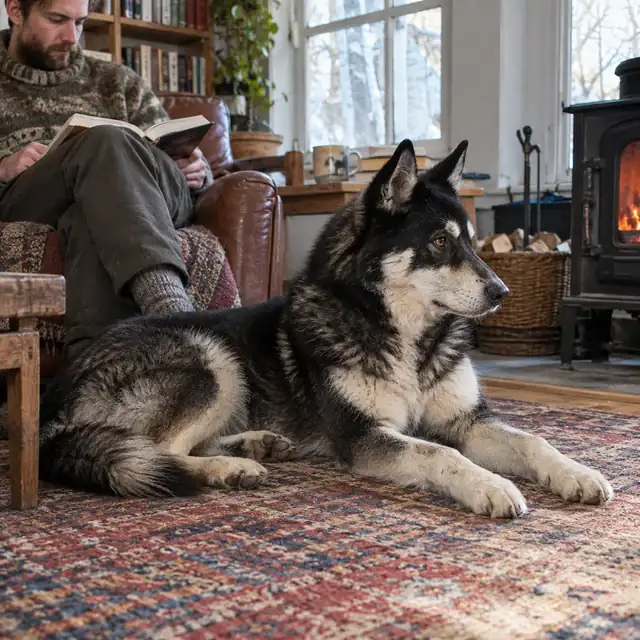
Average rating: kind to people, but independent in work. Behavior depends on upbringing.
THE PAW CATALOG
Origin: Russia
A Russian hunting breed, descended from the Tungus, Yakut, Pre-Baikal, and Pre-Amurian breeds. The status of the breed was obtained in 1947, the final standard was approved in 1981. It is widespread in its homeland and has a large population in the European part of Russia, and is also valued in Scandinavia. In the FCI classification, it belongs to group 5.
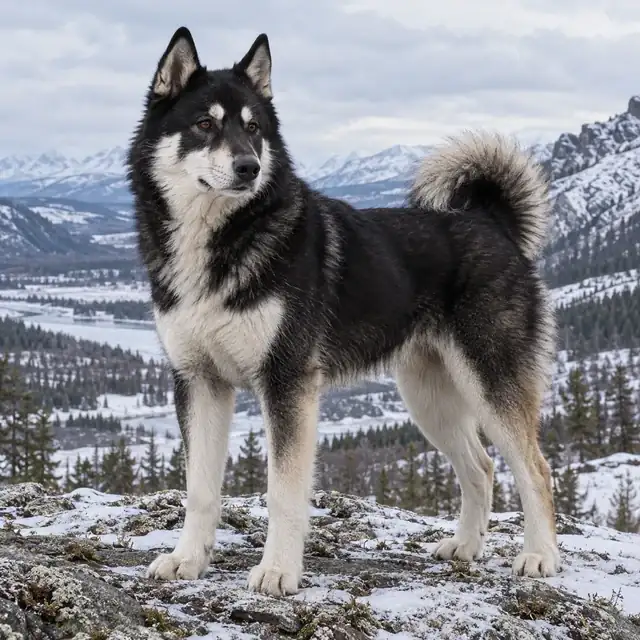
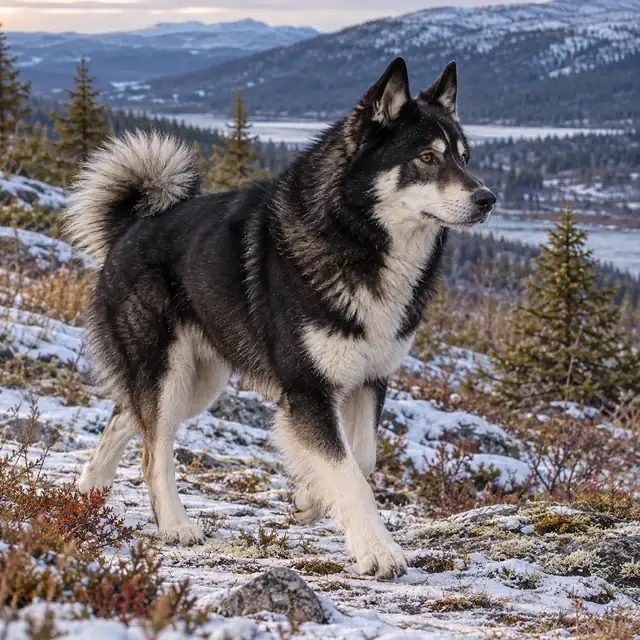
The East Siberian Laika is a medium-large (53-64 cm) hunting dog with erect ears and a stiff coat with a thick undercoat. Balanced, strong, with a sense of smell and a drive to hunt, especially big game. Requires a lot of movement and work.
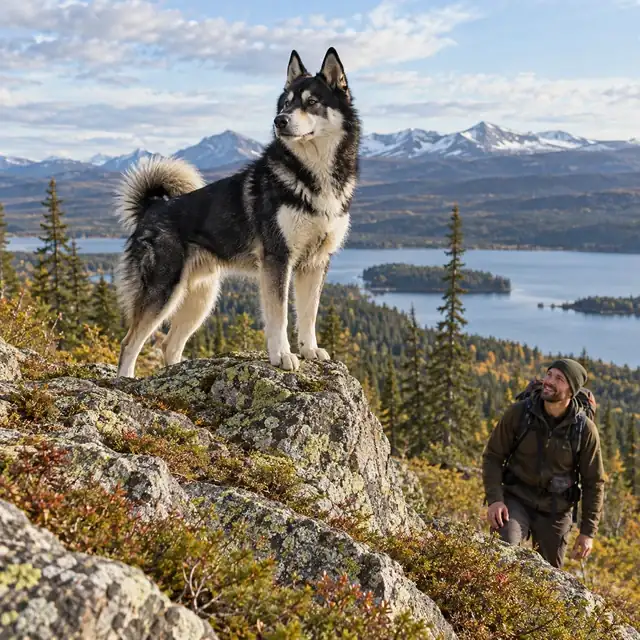
Suitable for hunters and active owners with space. In a cramped apartment, you will be bored with nothing to do.
High: Long walks, running and exercise every day.
During the hunt, she is very independent, in her relations with people she is friendly, kind and trusting. Patience and a reliable response are required.
Thick wool is combed once a week, more often during seasonal shedding. Ears are examined, claws are trimmed.
Generally kind and trusting. Contact with children under supervision due to vigor.
The hunting instinct is strong: small animals are prey.
Estimates help compare breeds. For zooaggression, 5/5 means less tendency to aggression towards dogs. The behavior and health of a particular dog depend on many factors.
Average rating: kind to people, but independent in work. Behavior depends on upbringing.
Medium-low rating: independent.
Medium-Low Score: Hunting Instinct.
There is no comparable survival estimate for the breed in the British cohort used. The absence of the mentioned risk does not prove the absence of hereditary diseases.
Medium-low rating: thick coat and undercoat.
Breed screening: there are few descriptions of hereditary diseases of the East Siberian Laika breed. Ask the breeder for the written results of the parents' examinations and the current requirements of the club.
Musculoskeletal system: growth, weight and load of the "East Siberian Laika" breed should correspond to age. Pain, lameness, or reluctance to move require a veterinary examination.
During preventive visits, the veterinarian checks the eyes and the heart. How often to do special examinations is suggested by the breed club and the doctor. Ask the breeder what tests the parents have passed.