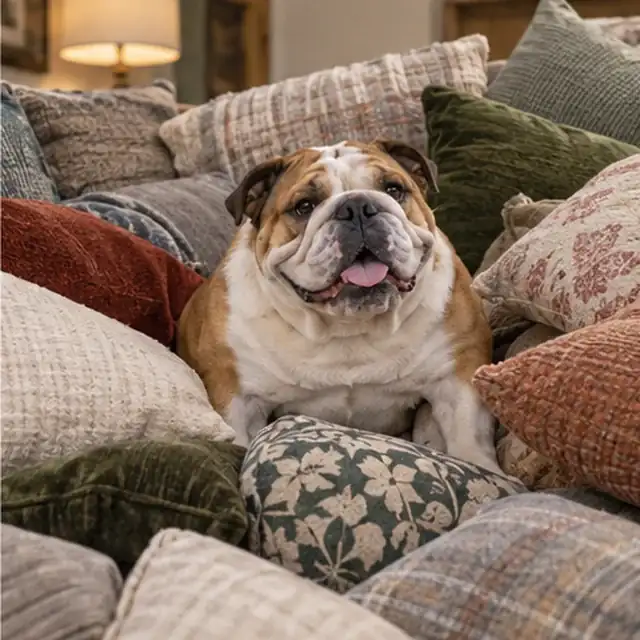
Human orientation
The breed is usually willing to make contact with the family. The actual behavior depends on the socialization and experience of the particular dog.
THE PAW CATALOG
Origin: Great Britain
The modern English bulldog is descended from British dogs that were once used for bullfighting. After the prohibition of this practice, the breed began to be bred as a companion, and the type changed: the body became more massive, the muzzle shorter. British experts emphasize that the extreme features of the appearance should not harm the health or movements of the dog.
The English bulldog is a calm stocky companion with a characteristic short muzzle. Friendly and tenacious in the house, but designed so that breathing, skin folds, weight and overheating require constant monitoring. This is a breed that requires careful selection of the breeder and readiness for veterinary costs.
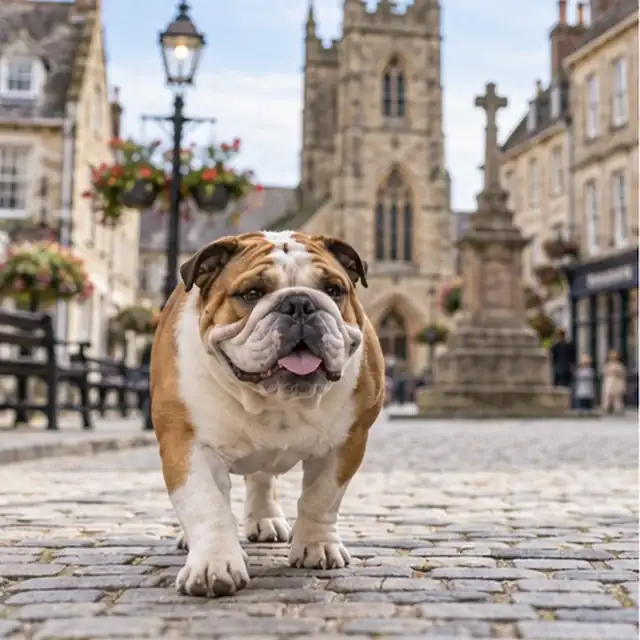
Suitable for living in an air-conditioned apartment with moderate traffic. In the summer and in the heat, it quickly overheats, so walks are postponed to cooler hours. The bulldog is calm, loves people, but snores a lot, drools and needs regular cleaning of folds.
A healthy adult dog needs short soft activities: walks for 10-15 minutes several times a day, calm sniffing games. Intense exercise, especially in hot weather, is dangerous. The load of puppies and elderly dogs is adjusted with the veterinarian.
The dog is attached to people, but stubborn and can be lazy. Short sessions with food as a reward are more effective than long ones. Training should not be exhausting: due to the structure of the respiratory tract, he gets tired quickly, so active exercises alternate with rest.
The short coat is combed approximately once a week, and more often during the shedding period. The folds on the face are regularly and gently cleaned and dried to prevent infection. They take care of their teeth and gums, examine their eyes and ears, and monitor their weight.
Usually patient with children, but strong and does not like to be grabbed or pulled. An adult monitors the contact, explains the rules of calm play and gives the dog a separate place to eat and rest. Snoring and heavy breathing during the game is a reason to pause.
Acquaintance with other dogs and pets is carried out gradually. Temperament depends on the dog, and games in the heat are stopped to prevent overheating.
Estimates help compare breeds. For zooaggression, 5/5 means less tendency to aggression towards dogs. The behavior and health of a particular dog depend on many factors.
The breed is usually willing to make contact with the family. The actual behavior depends on the socialization and experience of the particular dog.
The breed learns well with consistent training. They work short classes with a reward without forceful coercion, but with breaks for rest.
An average score means that contact with other dogs requires an individual assessment. The attitude towards cats and small animals is evaluated separately, and early socialization is important.
Low score: In a British cohort, the breed's median lifespan was 9.8 years. The absence of the mentioned risk does not prove the absence of hereditary diseases, and known respiratory, skin and eye problems require examination and observation.
Average rating: the coat is combed about once a week, but the folds on the face are cleaned more often, and additional temperature control is needed in the heat.
Screening is particularly important for this breed, with brachycephalic airway obstruction syndrome (BOAS), skin, eye and joint problems reported in the UK. The breeder is asked to show the results of the respiratory, eye, heart and spine evaluation of both parents.
Dislocation of the patella and spine disorders due to vertebral anomalies are described among the problems. Excess weight worsens them, so it is controlled. Lameness or pain requires a veterinary examination.
Corneal ulcers and other eye diseases occur in breeds. An eye examination is included in the routine checks, and the heart is evaluated according to the recommendations of the club and the veterinarian. Noisy breathing is not a normal feature of the breed, but a reason to consult a doctor.