Human orientation
High Score: English Cocker Spaniels are usually very attached to their people, although each individual's behavior depends on socialization and experience.
THE PAW CATALOG
Origin: Great Britain
The ancestors of cocker spaniels come from Spain, and in England they were specialized as hunting dogs that raise birds. The name "cocker" is associated with the hunting of woodcock. The AKC split the American and English Cocker into two breeds in 1946. Modern English cockers come in both exhibition and working lines, which differ in energy level.
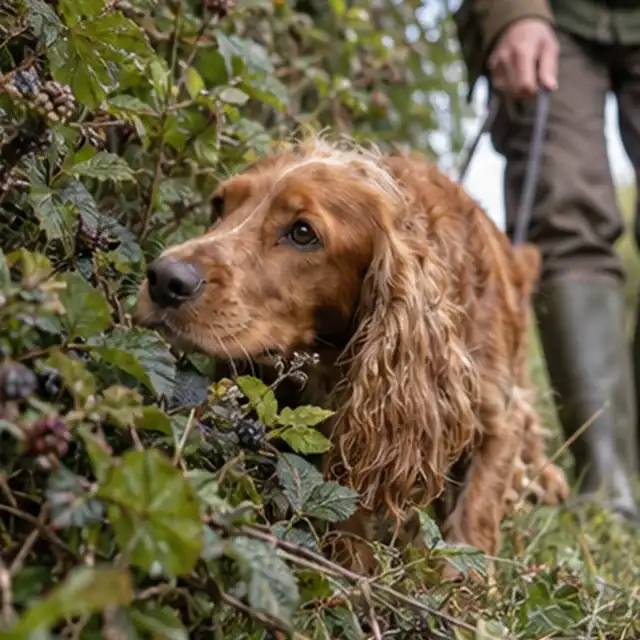
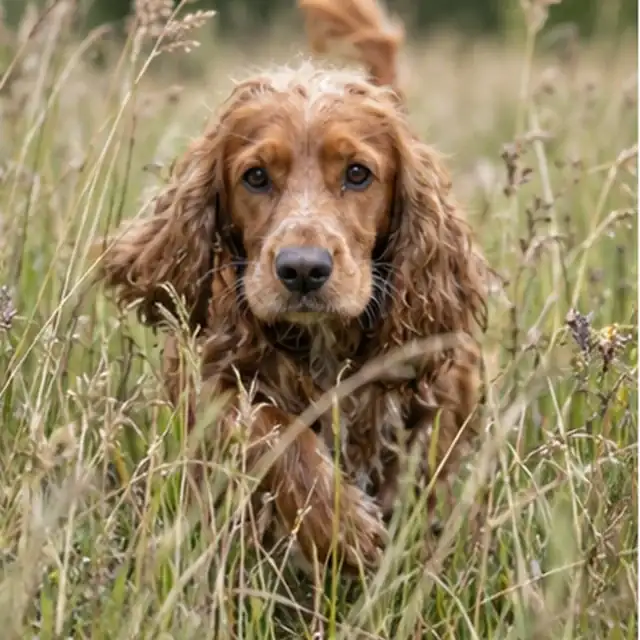
The English Cocker Spaniel is a small hunting spaniel with a strong sense of smell and a love of searching. Gentle, friendly and very attached to people, but can be stubborn. Requires active walks, nose work and regular care of long ears.
It is suitable for living in a house and apartment if it walks, searches and runs every day. Very people-oriented: does not tolerate long loneliness, can be anxious. Picks up birds and chases small animals, so be careful when walking near water and fields.
A healthy adult dog needs several brisk walks a day and the opportunity to work its nose. A mental task is no less important than running. The load of puppies and elderly dogs is adjusted with the veterinarian.
The dog is eager to learn, especially when the activities involve sniffing and searching. Firm but gentle communication works well. The call is practiced from a puppy age, because the instinct to chase game is strong. Olfactory and fetch games help to direct energy.
The coat is silky, of medium length, with long feathers. She is combed about twice a week, and more often during the molting period, and if necessary, she is cut by a groomer. Nails and hair between paw pads are trimmed weekly. Long ears are regularly cleaned and weight is monitored.
Usually gets along well with children, especially schoolchildren who have been taught how to handle dogs. An adult monitors the contact, and leaves a separate place for the dog to eat and rest.
Friendly to other dogs and usually gets along well with them, but the instinct to chase small prey remains. Acquaintance with cats and small animals is carried out gradually, under supervision.
Estimates help compare breeds. For zooaggression, 5/5 means less tendency to aggression towards dogs. The behavior and health of a particular dog depend on many factors.
High Score: English Cocker Spaniels are usually very attached to their people, although each individual's behavior depends on socialization and experience.
The English Cocker Spaniel is a willing learner if the sessions are consistent and short. Reward works better than coercion.
High score: the breed usually gets along well with other dogs. Attitudes towards cats and small animals are assessed separately, and early socialization helps.
In the British cohort, the median lifespan of the breed was 13.3 years. Among the described breed risks: hip dysplasia, progressive retinal atrophy. The examination of the parents is confirmed with the veterinarian.
Average rating: The coat is brushed about twice a week, the ears are regularly cleaned and the claws and hair on the paws are trimmed. Many owners use the services of a groomer.
Hip dysplasia is mentioned in the breed profile as a possible risk. The breeder is asked to evaluate the hips of both parents, and the veterinarian determines the need for examinations.
Progressive retinal atrophy, an eye disease, is mentioned as a possible risk. It is detected by visual inspection, and there are DNA tests for the breed, so ask the parents for the results. Cataracts and ear diseases are described among other problems.