Human orientation
High score: The Entlebucher is very attached to his family, although he is reserved with strangers. Behavior depends on socialization.
THE PAW CATALOG
Origin: Switzerland
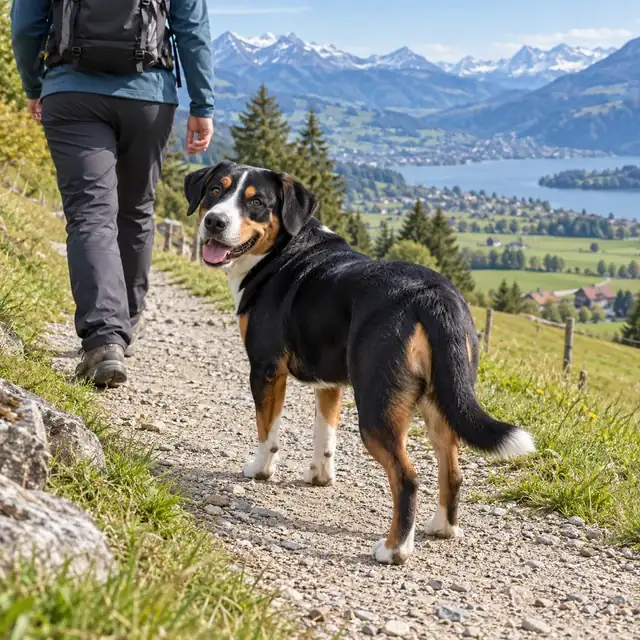
Swiss shepherds bred the breed for grazing cattle on steep alpine slopes. She is the smallest and fastest of the four Alpine Mountain Dogs. The AKC listed it as the 168th breed.
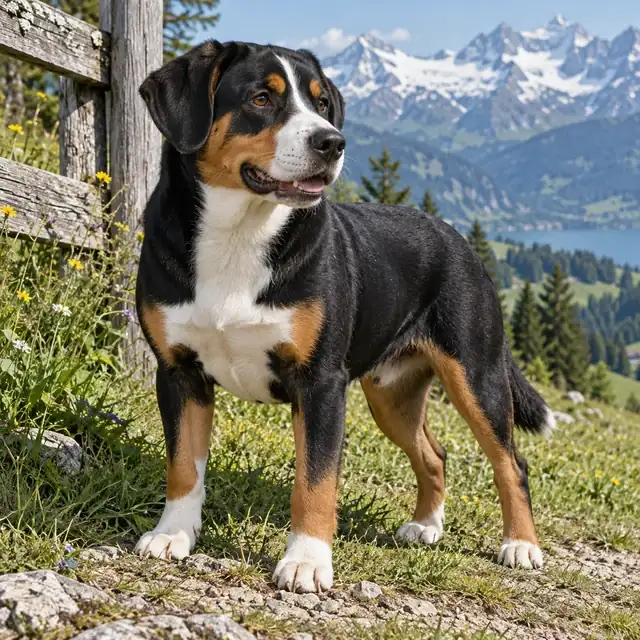
The Entlebucher Sennenhund is the smallest and fastest of the four Swiss Sennenhunds: a strong tricolor herding dog about 40-53 cm tall. Courageous, intelligent, energetic, very devoted to the family. Requires at least an hour of movement per day, mental work and careful handling of strangers.

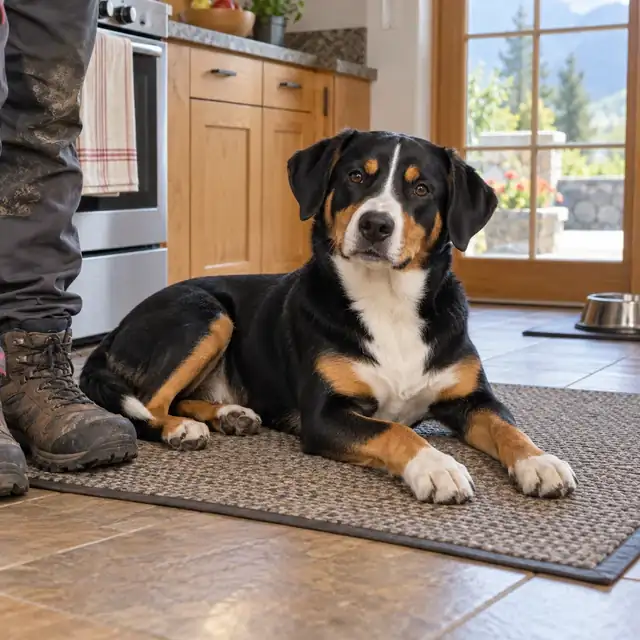
Suitable for an active family with a house and yard. He is attached to his people, and treats strangers discreetly. Without a daily job, he gets bored and looks for entertainment on his own.
At least an hour every day plus games and brain teasers. Entlebucher is tireless and needs to be occupied.
Brave, intelligent and persistent when given a task. Positive reinforcement, a variety of exercises, and early socialization work best. Useful agility and obedience.
They bathe infrequently. The hard, dense coat is brushed regularly, especially during shedding, with a plucking brush or a dense brush. Claws are trimmed, teeth are cleaned.
Very attached to the family, but with small children is limited: the shepherd's habit of chasing and energy need supervision.
Usually gets along well with other dogs. Herding instinct can be directed at small animals and running children.
Estimates help compare breeds. For zooaggression, 5/5 means less tendency to aggression towards dogs. The behavior and health of a particular dog depend on many factors.
High score: The Entlebucher is very attached to his family, although he is reserved with strangers. Behavior depends on socialization.
Average score: intelligent, but persistent, and needs consistent, varied training.
High score: usually gets along well with dogs, but herding habit needs to be corrected.
There is no comparable survival estimate for the breed in the British cohort used. Among the described breed risks: dysplasia of the hip joints, dislocation of the patella, eye diseases; Entlebucher's urinary syndrome and hemolytic anemia are also mentioned; examination of the parents is confirmed with the veterinarian.
Medium-high rating: short coat is combed regularly, bathing is rare.
Hip dysplasia occurs in the breed. They ask for the results of the parents' examinations, and the weight is kept within the norm.
Dislocation of the patella: signs - episodic limping. The degree is assessed by a veterinarian.
Eye diseases include progressive retinal atrophy. Annual eye examinations and veterinary consultations help to detect changes in time.