Human orientation
Average Score: The Estonian Hound gravitates towards people, but works as a hunter. Behavior depends on upbringing.
THE PAW CATALOG
Origin: Estonia
In 1947, a Soviet directive obliged each republic to create its own hunting breed to replace the large dogs, which were accused of reducing game. The Estonian Hound originated from the crossing of several foreign breeds with local hunting dogs. The FCI recognized it in September 2019, and after the restoration of independence, Estonia declared it the national dog.
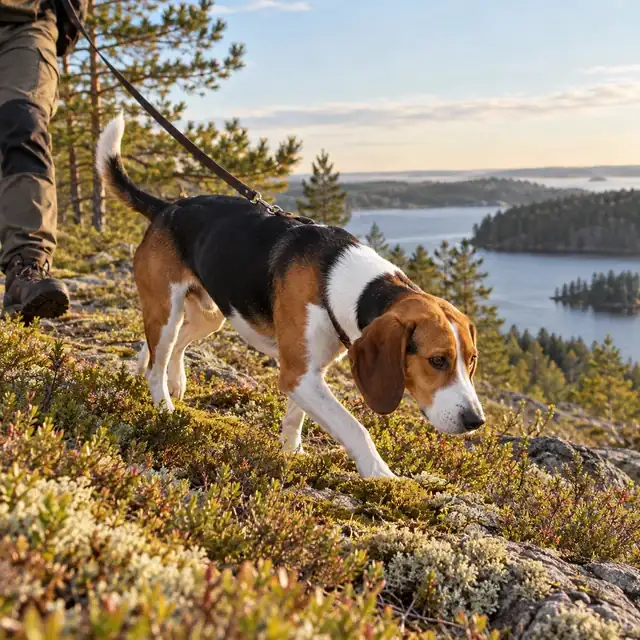
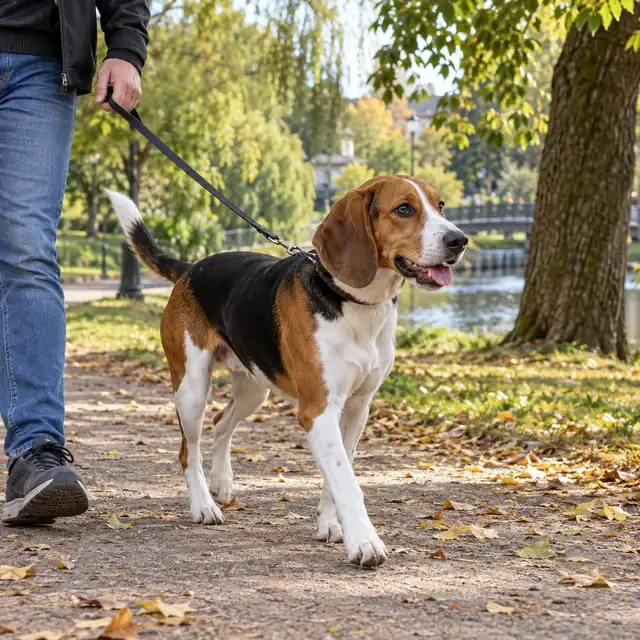
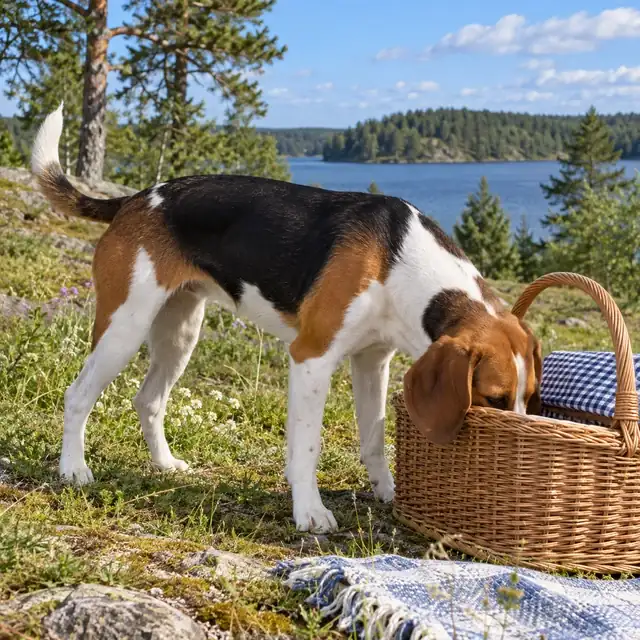
The Estonian Hound is the only breed bred in Estonia: a medium (42-53 cm, 15-20 kg) proportional Hound with a short shiny white-black-red or white-yellow coat. Friendly, calm, active and intelligent, studies well. Requires daily movement and human attention.
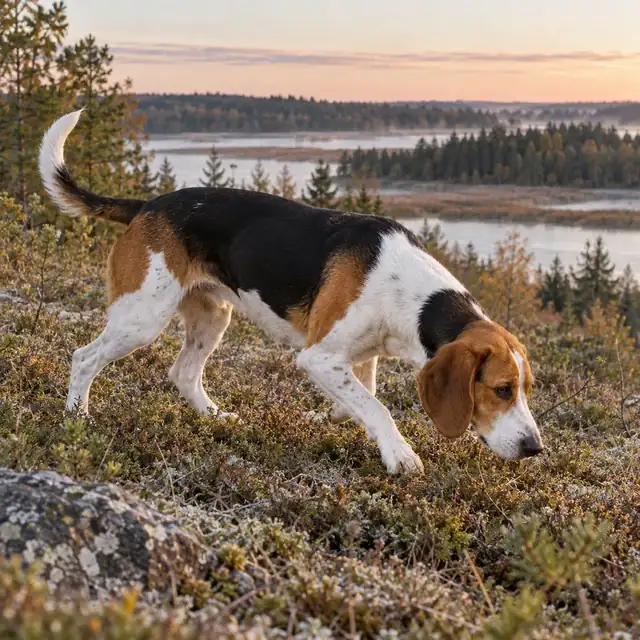
Desires human attention and does not like loneliness, can get upset when left alone. Suitable for a house with a yard or an apartment with long walks.
Active, agile and hard-working hunter: daily long walks, sniff work and mental tasks are required. The voice is pleasant, not annoying during hunting.
Very intelligent and easy to learn. Socialization is needed to prevent timidity. In Estonia, he is allowed to hunt only hare and fox, so ungulates are taught not to chase.
The short, shiny coat is combed once a week, more often during the shedding period. Ears are examined, nails are trimmed, teeth are cleaned.
Friendly and calm, usually gets along well with children. High energy needs supervision of games with toddlers.
In general, he gets along with other dogs, and with cats - if he grew up with them. Small animals can cause hunting interest.
Estimates help compare breeds. For zooaggression, 5/5 means less tendency to aggression towards dogs. The behavior and health of a particular dog depend on many factors.
Average Score: The Estonian Hound gravitates towards people, but works as a hunter. Behavior depends on upbringing.
Average Score: Intelligent and easy to learn, but hunting instinct requires patience.
Average score: usually peaceful, small animals need control.
The British cohort does not provide a comparable survival estimate for the Estonian Hound breed. The absence of the mentioned risks does not prove the absence of hereditary diseases, and parents should be checked in any case.
High score: short hair requires almost no maintenance.
Breed Screening: Little is known about hereditary diseases of the Estonian Hound breed. The breeder is asked for documents with the results of examinations of both parents and current recommendations of the club.
Musculoskeletal system: the height and load of the Estonian Hound breed dog are adjusted to its age. If lameness or pain occurs, a veterinary examination is required.
During preventive examinations, the eyes, heart and ears of Estonian Hound dogs are evaluated. The frequency of additional checks is agreed with the breed club and the veterinarian.