Human orientation
High score: the Estrel dog is devoted to the family, although independent. Behavior depends on upbringing.
THE PAW CATALOG
Origin: Portugal
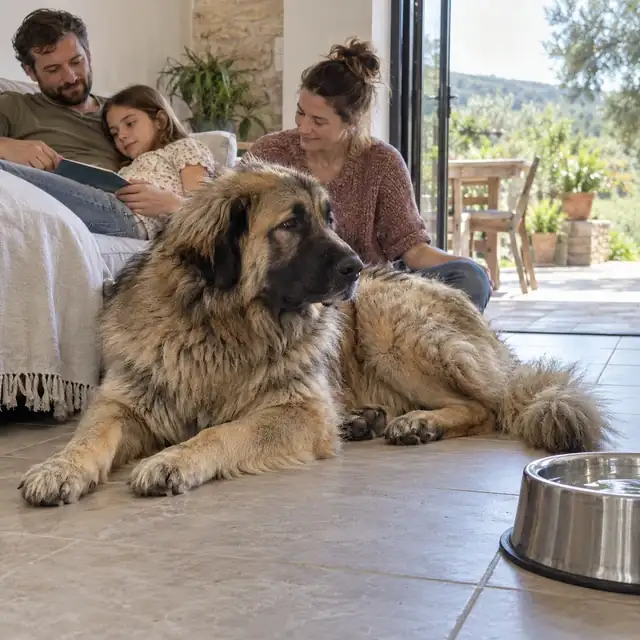
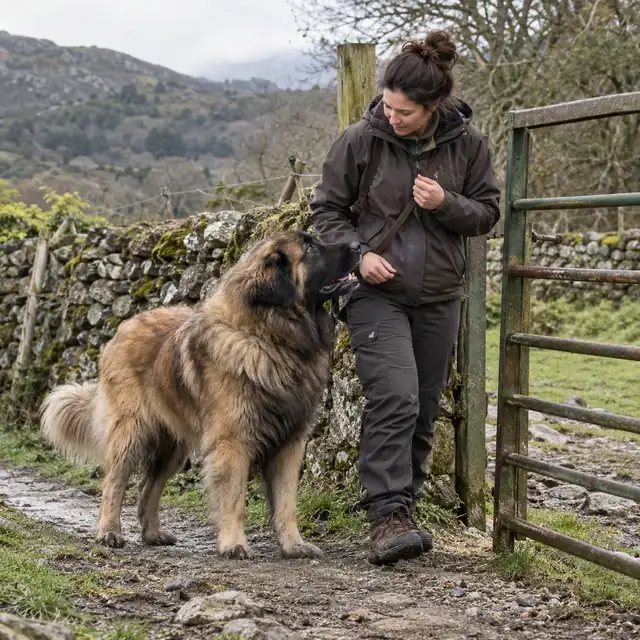
One of the oldest breeds in Portugal, bred in the Estrela mountains to protect herds and estates. Today, it is still used to protect flocks. This is a working guard, not a decorative companion.
The Estrel mountain dog is a huge Portuguese shepherd guard (60-75 cm, 35-60 kg) with long or short fur of yellow-fawn, gray or tiger color. Independent and strong, with a pronounced protective instinct. Suitable only for a confident, experienced owner.

Needs a large yard with a strong fence and an owner who understands guard breeds. The protective instinct is strong, so guests and neighbors have to be introduced to the dog gradually. The apartment is not suitable.
Daily walks and space to guard and move around. A very high load is not required, but daily classes are important.
Independent and strong-willed, therefore early socialization and calm, firm and consistent upbringing are mandatory. A forceful or rude attitude causes resistance. It is worth starting from the puppy age.
The wool is combed and combed at least once a week, and more often during the shedding period. Ears are examined, nails are trimmed, teeth are cleaned.
It faithfully protects the family, but its size and strength require constant supervision when playing with children. Stranger's children are not left with him without an adult.
As a shepherd guard, he perceives his territory as a zone of responsibility, so unfamiliar dogs need careful introduction. He gets along with animals living in the house if he grew up with them.
Estimates help compare breeds. For zooaggression, 5/5 means less tendency to aggression towards dogs. The behavior and health of a particular dog depend on many factors.
High score: the Estrel dog is devoted to the family, although independent. Behavior depends on upbringing.
Moderately high score: intelligent, but strong-willed, needs calm consistency.
Average score: with dogs that are not part of the pack, conflicts are possible due to the protective instinct.
Estrel survival rates in a British cohort are not comparable. The absence of the described risks does not guarantee the absence of hereditary diseases, so the breeder is asked for the results of the parents' examinations.
Medium-High Rating: Brush once a week, but large size makes maintenance difficult.
Breed screening: hip and elbow dysplasia and gastric volvulus are among the risks. Ask the breeder for the test results of both parents.
Musculoskeletal system: a large size means a load on the joints, so the weight is kept at a normal level, and growth is not forced. Lameness, pain, or reluctance to move require a veterinary examination.
Eyes and heart: preventive examination includes eyes and heart. Deep-chested dogs are fed small portions to reduce the risk of stomach upset.