Human orientation
Friendly and calm, although he works quite independently in hunting.
THE PAW CATALOG
Origin: Finland
Bred in Finland in the 19th century on the basis of French, German and Swedish hounds. The goal was to create a dog that works in hilly terrain and in deep snow. The standard is recognized by the Finnish Kennel Club and the FCI. Nowadays, this is a popular hunting breed in Finland.
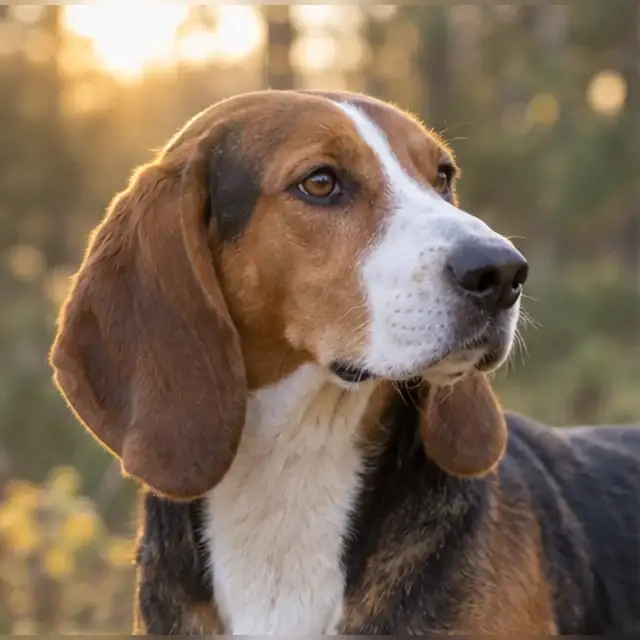
Finnish hound (suomenaiokoira) is a medium (55-61 cm in males, 52-58 cm in females) strong hound, longer than it is tall. The weight is usually 20-25 kg. Calm and friendly, but works independently on the hunt and is distinguished by persistent barking. It is a hardy hunting dog for hare and fox, which is best in the countryside.
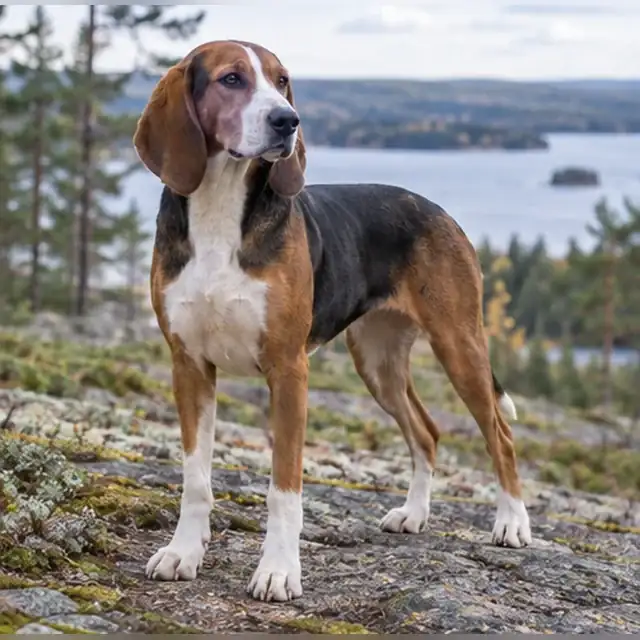
Best suited for hunters or owners of a country house with a large fenced area. A loud voice when working in city conditions will create difficulties for neighbors. Prolonged loneliness is undesirable.
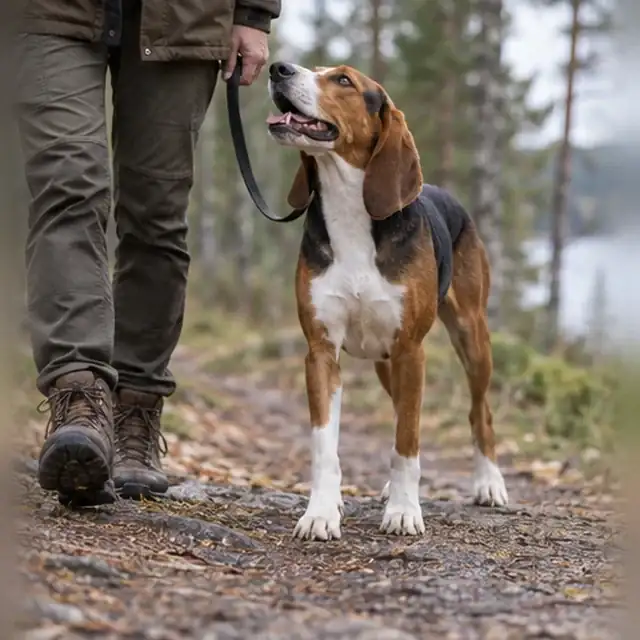
High Long daily walks, running in safe places and sniff work are needed. It is a hardy dog that does not like to sit idle.
Smart, but independent. The hunting instinct is distracting, so recall is trained from an early age. Classes are short, varied, and rewarding. Only kept off-leash in a safe area.
Short, dense, coarse wool is combed once a week, more often during shedding. Hanging ears are regularly inspected and cleaned. After the hunt, paws, skin and ears are checked. Nails are trimmed.
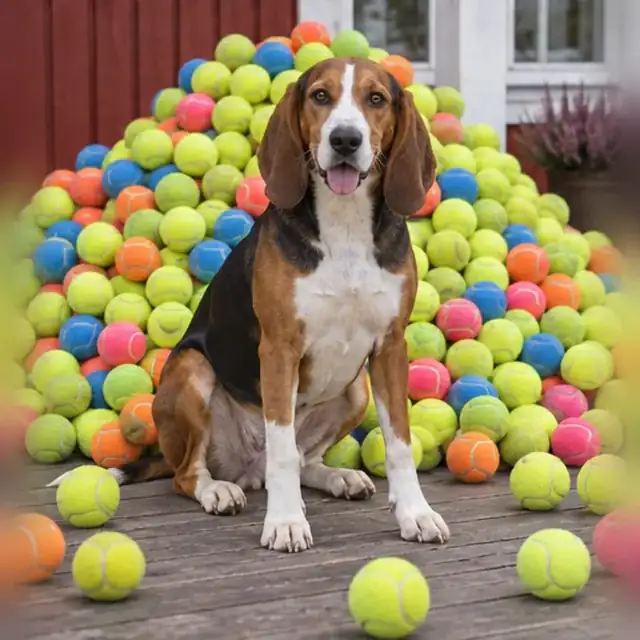
Calm and friendly, gets along well with children. Due to the size and energy, the adult controls the games with the kids. Children are taught not to frighten the dog and not to disturb it while it is eating.
Accustomed to working and living with other dogs. The hunting instinct is aimed at hares, foxes and small animals, so cats and rodents are not left unattended.
Estimates help compare breeds. For zooaggression, 5/5 means less tendency to aggression towards dogs. The behavior and health of a particular dog depend on many factors.
Friendly and calm, although he works quite independently in hunting.
Smart, but hunting instinct and independence make recall difficult.
Gets along well with dogs, and perceives small animals as prey.
There is no comparable survival estimate for the breed in the British cohort used. The absence of the mentioned risk does not prove the absence of hereditary diseases.
The short coarse coat is easy, but the ears and paws require inspections.
Breed Screening: Little is known about hereditary diseases of the Finnish Hound breed. The breeder is asked for documents with the results of examinations of both parents and current recommendations of the club.
Musculoskeletal system: growth and load of the breed "Finnish hound" should correspond to the age. Lameness, pain, or reluctance to move require a veterinary examination.
Eyes and heart need regular attention from a doctor. The frequency of special examinations is determined according to the recommendations of the club and the veterinarian. Do not delay new symptoms, such as blurred vision or shortness of breath, until your next appointment.