Human orientation
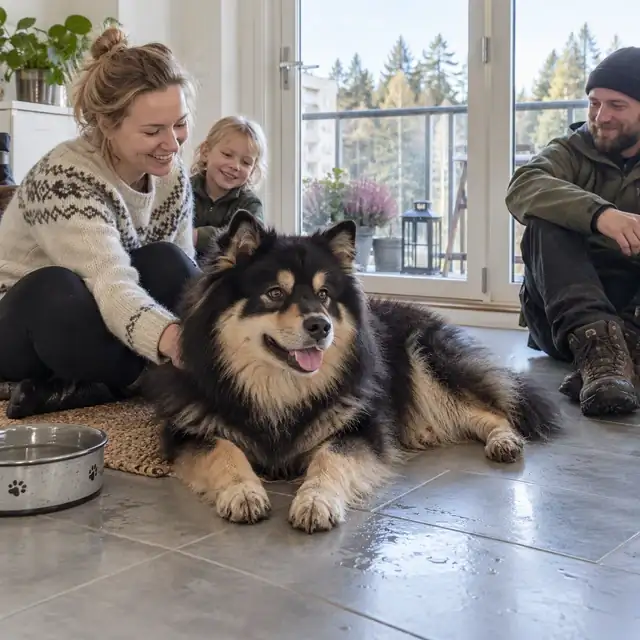
He is very attached to his family and loves to be around people.
THE PAW CATALOG
Origin: Finland
It comes from Lapland in Finland. At first, it was used for hunting together with hunters, then - for grazing and guarding reindeer among the Sami. The herding instinct is still preserved: the dog may try to gather people or other animals together.
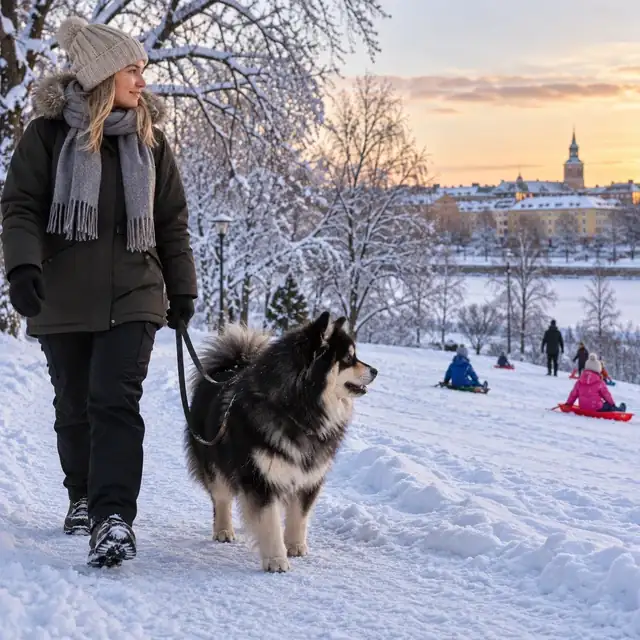
The Finnish Lapland dog is a medium (46-52 cm in males, 41-47 cm in females) spitz with thick fur, a friendly character and a well-defined herding instinct. Friendly, loyal, sociable and active, usually gets along well with the family. It can be loud, so barking is limited from an early age. Suitable for families who love walks and want to have a dog for joint leisure.

Suitable for active families, where there is time for daily walks and joint activities. Does not like prolonged loneliness. Fluffy wool makes the summer heat more difficult, so walks in the hot season are postponed to the morning and evening.
Moderately high. About an hour of walks a day, as well as games and mental tasks. He likes hiking and trips to nature.
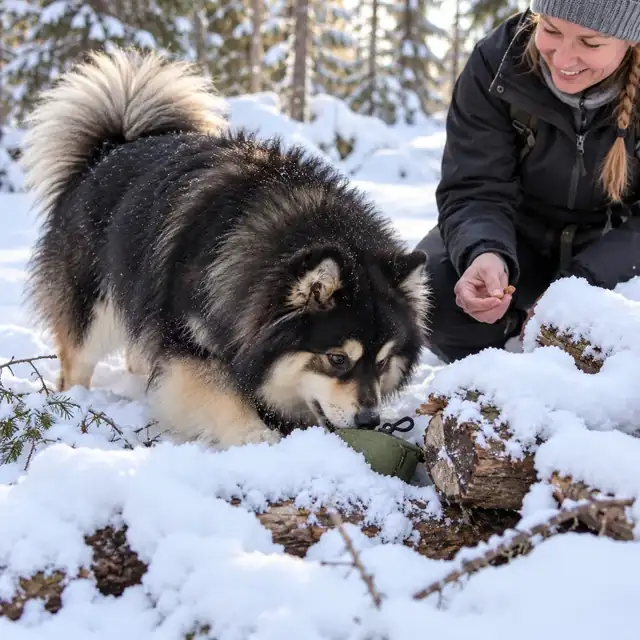
Attentive and amenable to training, so he quickly learns basic commands. Early socialization and obedience training help to grow balanced. Barking is extinguished in advance, without waiting for it to become a habit. Useful dog sports: agility, tracking, herding classes.
The thick double coat is combed at least once a week to prevent tangles from forming. Approximately twice a year, the dog actively sheds, and then combing is needed more often. Bathe as needed, examine ears, teeth and claws.
Friendly and sociable, usually gets along well with children. But children and dogs are not left unattended. The shepherd's instinct can manifest itself in attempts to "collect" children, so the child is taught to behave calmly.
Generally friendly with other dogs, especially with early socialization. The shepherd's instinct can lead to chasing small animals or biting their heels. Acquaintance with cats and other animals is carried out gradually.
Estimates help compare breeds. For zooaggression, 5/5 means less tendency to aggression towards dogs. The behavior and health of a particular dog depend on many factors.
He is very attached to his family and loves to be around people.
Attentive and trainable, but needs variety and patient work on barking.
Generally friendly, but herding instinct sometimes shows in the game.
In the British cohort, the median lifespan of the breed was 13.8 years; small sample: 23 deaths. Among the described breed risks: hip dysplasia, progressive retinal atrophy; examination of the parents is confirmed with the veterinarian.
Thick wool requires regular brushing, especially during shedding.
Dysplasia of the hip joints: the results of examinations of both parents are requested. A flat surface and moderate walks help the joints during the growing season. If the dog is limping or reluctant to get up, it is examined by a doctor.
Progressive retinal atrophy is a hereditary disease that gradually leads to vision loss. Before buying, check whether the parents underwent a DNA test and an ophthalmologist examination.