Human orientation
Very high rating: willingly submits, seeks human companionship. Behavior depends on upbringing.
THE PAW CATALOG
Origin: Great Britain
Bred in England at the end of the 18th century as a universal retriever for fetching game. It was first called the Wavy Retriever and was perfected by Evelyn Shirley, the founder of the Kennel Club of England in 1873. In the FCI classification, it belongs to group 8.
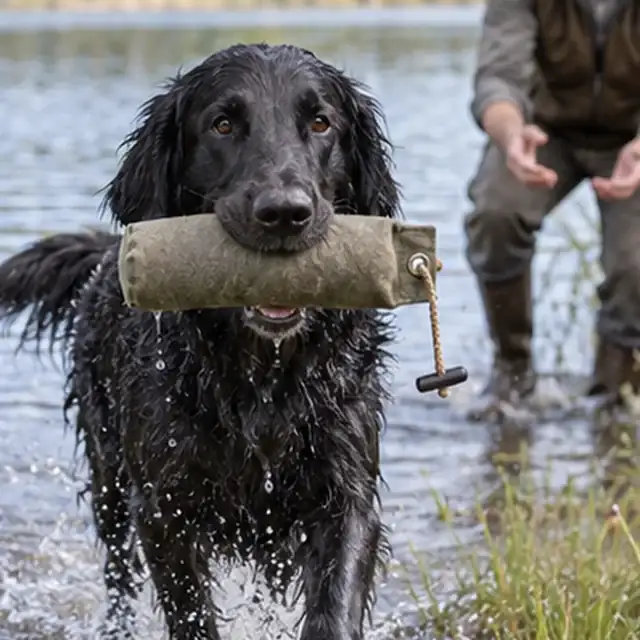
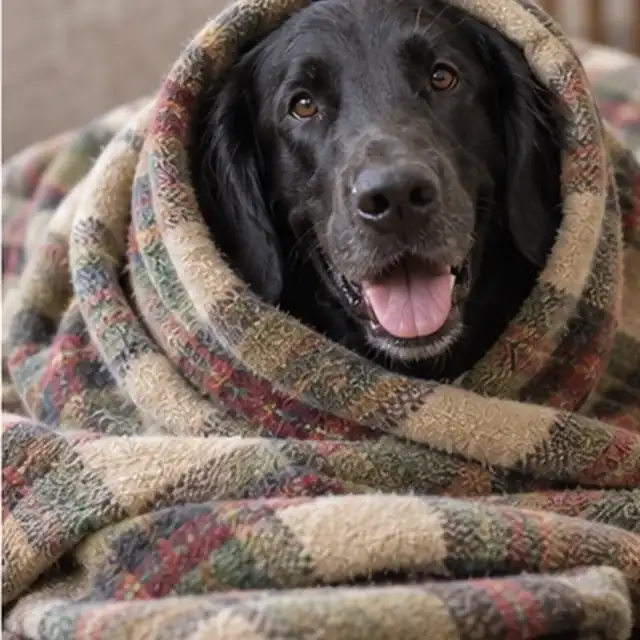
The straight-haired retriever is a sporty hunting dog (56-61 cm, 25-36 kg) with a shiny long straight coat of black or brown (liver) color. Confident, kind and willing to work, retains playfulness until old age. Needs daily exercise and human companionship.

Suitable for active families who enjoy walking, swimming and social activities. He wants to be around people, and does not tolerate loneliness well.
High: walking, running and swimming every day.
Friendly, willing to work and easy to learn. The turbulent nature of youth requires patience and rewarding pursuits.
The coat is combed once a week to remove dead hair. A small trim around the paws and ears adds tidiness.
A good family dog, but his enthusiasm can knock a baby off his feet. The games are supervised.
Most get along with other animals.
Estimates help compare breeds. For zooaggression, 5/5 means less tendency to aggression towards dogs. The behavior and health of a particular dog depend on many factors.
Very high rating: willingly submits, seeks human companionship. Behavior depends on upbringing.
High score: willing to work.
Medium-high score: Most get along with other animals.
In the British cohort, the median lifespan of the breed was 11.7 years. The absence of the mentioned risk does not prove the absence of hereditary diseases.
Average score: coat of moderate length needs weekly grooming.
Pedigree screening: oncological diseases have been described, in particular histiocytic sarcoma, which often leads to shortening of life. Ask the breeder for information about the pedigree and longevity of the ancestors.
Dysplasia of the hip and elbow joints: the results of examinations of both parents are requested, the weight is kept within the norm.
Eye Diseases: Regular checkups are recommended, including gonioscopy for glaucoma and screening for progressive retinal atrophy and cataracts.