Human orientation
Serious and restrained, but attached to his person.
THE PAW CATALOG
Origin: Spain
The ancient Spanish breed, known to the Romans, may have reached the Iberian Peninsula long before them. It comes from ancient Asian greyhounds. In the 16th-18th centuries, it was exported to Ireland and England, and it is the ancestor of the English greyhound. The FCI standard was first published in 1982, revised in 2002.
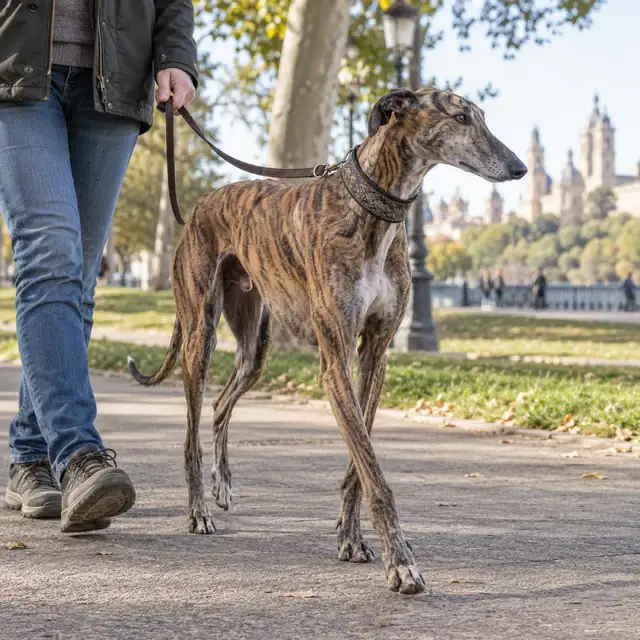
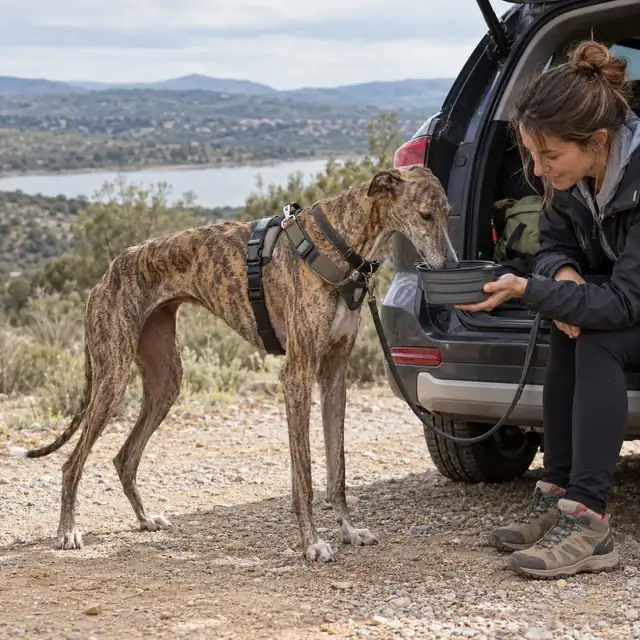
The Spanish Galgo is a tall (62-70 cm in males, 60-68 cm in females) slender greyhound with short smooth or semi-long stiff hair. Serious, sometimes reserved, but lively and energetic on the hunt. The main purpose is hare hunting in the open area. Needs space for running and reliable fencing.
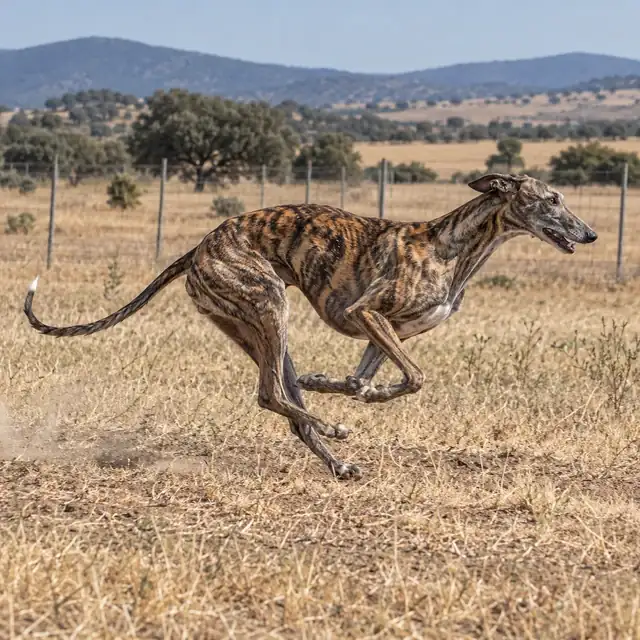
Suitable for quiet families with enough space and the ability to run safely. Quiet and calm at home, but needs regular movement.
High Regular running in a safe area, walks. Exceptional speed and endurance.
Sensitive and serious, works best with soft methods. Basic obedience and early socialization are a must. Due to the hunting instinct, they are kept off-leash only in a fenced area.
Short fine wool requires minimal care. The hard-haired variety has a beard, mustache and eyebrows, it is examined and combed. Nails, teeth and ears are checked regularly. In winter, the dog is cold.
Usually calm and reserved. Children and the dog are supervised by an adult, because the dog is big and fast.
The hunting instinct of the chase is aimed at hares, rabbits, foxes. Small animals are not left unattended. Usually gets along with dogs.
Estimates help compare breeds. For zooaggression, 5/5 means less tendency to aggression towards dogs. The behavior and health of a particular dog depend on many factors.
Serious and restrained, but attached to his person.
Sensitive, works best with soft methods.
The hunting instinct is aimed at small animals.
There is no comparable survival estimate for the breed in the British cohort used. The absence of the mentioned risk does not prove the absence of hereditary diseases.
Short coat is simple, but in winter the dog needs clothes.
Breed Screening: Little is known about hereditary diseases of the Spanish Galgo breed. The breeder is asked for documents with the results of examinations of both parents and current recommendations of the club.
Musculoskeletal system: the growth and load of the "Spanish Galgo" breed should correspond to its age. Lameness, pain, or reluctance to move require a veterinary examination.
Eyes and heart are checked during routine examinations. Narrow examinations, for example by an ophthalmologist or a cardiologist, are prescribed as needed. Do not delay new symptoms, such as blurred vision or shortness of breath, until your next appointment.