Human orientation
High score: good-natured and attached to the owner. Behavior depends on upbringing.
THE PAW CATALOG
Origin: Germany
A German breed that combines the blood of a lying dog, a hawk dog, a water dog and hounds (marriages). Pure breeding began in 1879. Baron von Schorlemer compiled the first standard in 1897. In the FCI classification, it belongs to group 7 (recumbent), continental recumbent spaniel type.
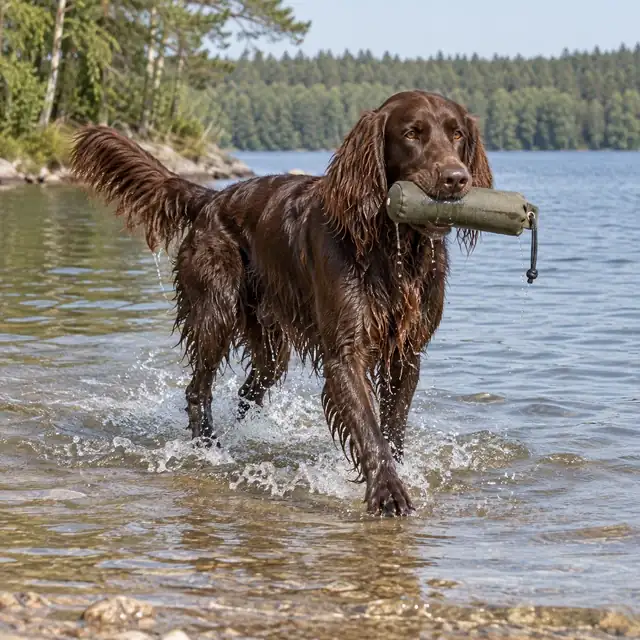
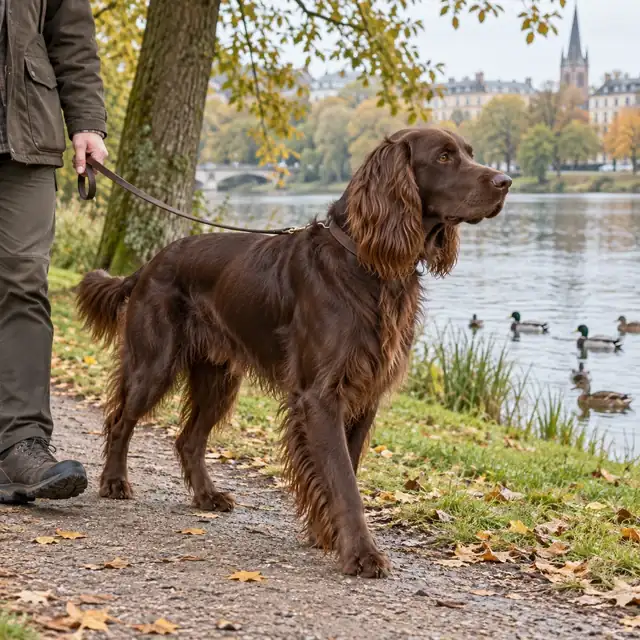
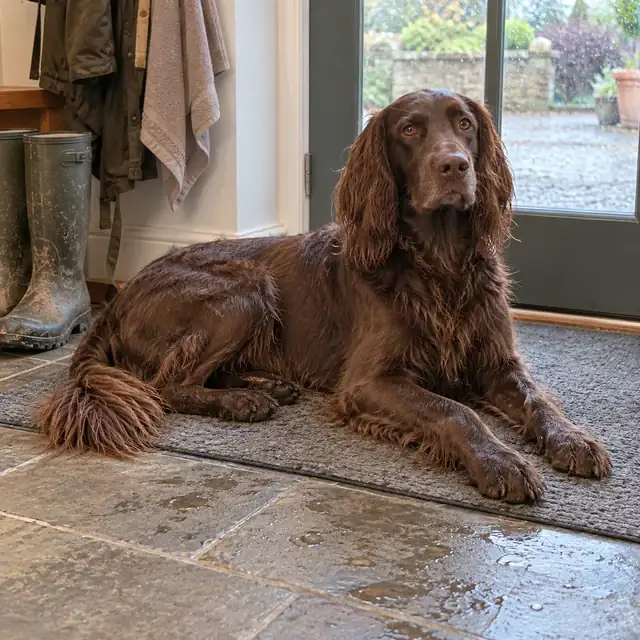
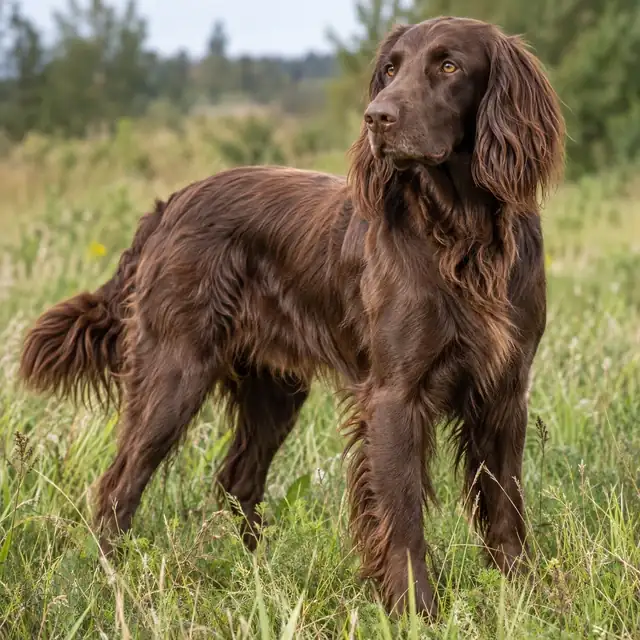
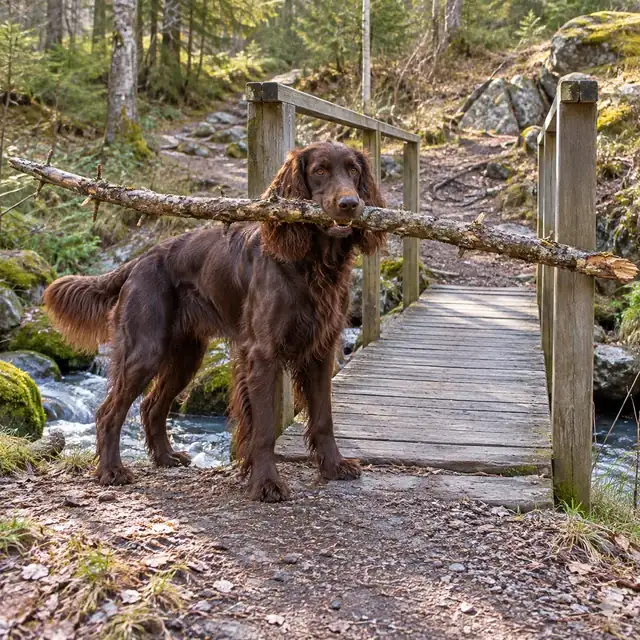
The German Longhaired Pointer (Deutsche Langhaar) is a versatile hunting dog (60-70 cm, about 30 kg) with long, silky brown, dark mottled or white-brown color. Balanced, good-natured and easy to learn. Requires a lot of movement and hunting work.
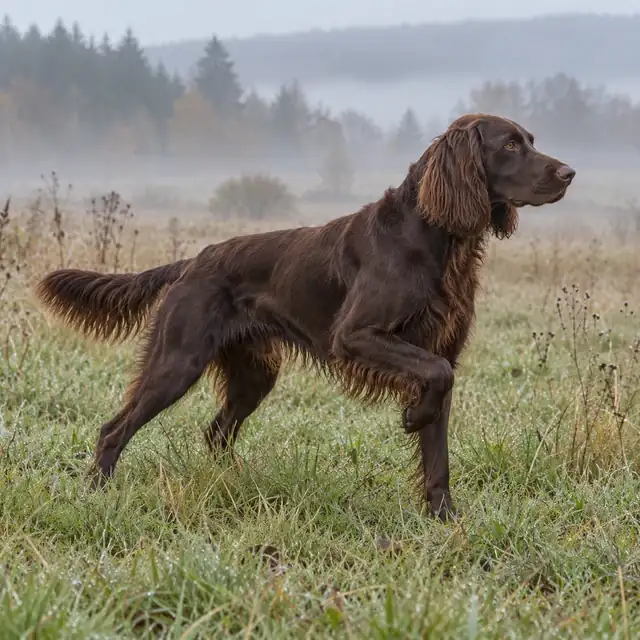
Suitable for hunters or active owners who provide work in the field, on the water and in the forest. Apartment life without movement is not for him.
Long daily loads are required: running, swimming, fetching and hunting work.
Balanced, calm and good-natured, easy to learn. Willing to cooperate, suitable for work before and after the shot.
The wool is combed 2-3 times a week, especially the feathers on the ears, paws and "pants". After working in the water, the ears are dried and examined, the claws are trimmed.
Good-natured and calm, usually gets along well with children. Supervised games.
The hunting instinct remains, so birds and small animals are prey. Usually gets along with dogs.
Estimates help compare breeds. For zooaggression, 5/5 means less tendency to aggression towards dogs. The behavior and health of a particular dog depend on many factors.
High score: good-natured and attached to the owner. Behavior depends on upbringing.
High score: easy to learn.
Medium-high score: hunting instinct needs control.
There is no comparable survival estimate for the breed in the British cohort used. The absence of the mentioned risk does not prove the absence of hereditary diseases.
Average score: long hair needs regular brushing.
Breed Screening: Little is known about hereditary diseases of the German Longhaired Pointer breed. The breeder is asked for documents with the results of examinations of both parents and current recommendations of the club.
Musculoskeletal system: the growth and load of the German Longhaired Pointer breed is adjusted to its age. If lameness or pain occurs, a veterinary examination is required.
Heart and eyes are included in the list of annual examination. The need for individual tests is determined by club recommendations and the dog's age.