Human orientation
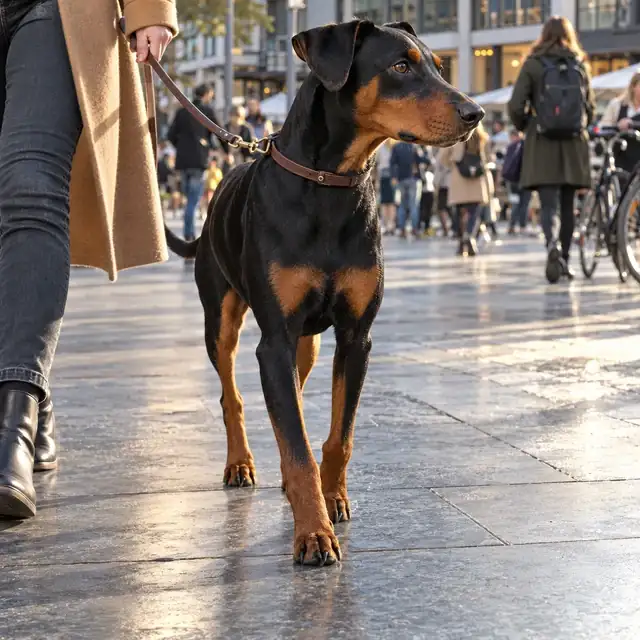
High score: attached to the family. Behavior depends on upbringing.
THE PAW CATALOG
Origin: Germany
The origin is unknown. The German pinscher was a carriage companion, a stable dog and a rat catcher, it was also called a "stalpincher". It has a common origin with the Schnauzer: a hard-haired relative became a Mittelschnauzer. Heinrich Gottlieb Ludwig Reichenbach mentioned the "smooth pinscher" in 1836, and in 1880 the breed was included in the German book of pedigrees. The Club of Pinschers and Schnauzers was founded in 1895. After World War II, the breed almost disappeared, and Werner Jung revived it with one standard-sized dog and four unusually large miniature pinschers. There were no recorded litters for eight years, and the first was born in 1958. FCI recognized the breed in 1955. In 2003, the German Society for the Preservation of Rare Breeds declared it the "endangered breed of the year", at that time there were about 40 breeding bitches.
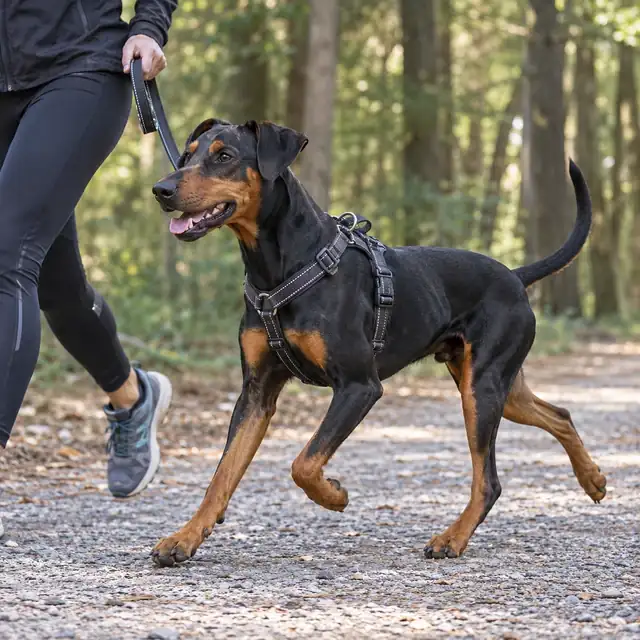
The German Pinscher is a medium (45-50 cm, 14-20 kg) dog with a short, dense, smooth coat: black-tan or solid red from light fawn to dark red-brown. Mobile, alert, once a companion of carriages, a stable dog and a rat catcher. Needs activity and early socialization.
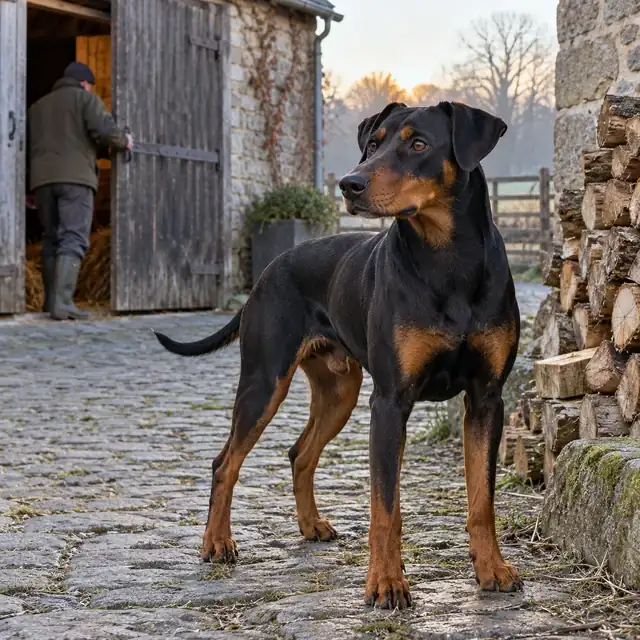
Suitable for active families. Willingly participates in family life, can guard the house.
High: daily walks, running and mental tasks.
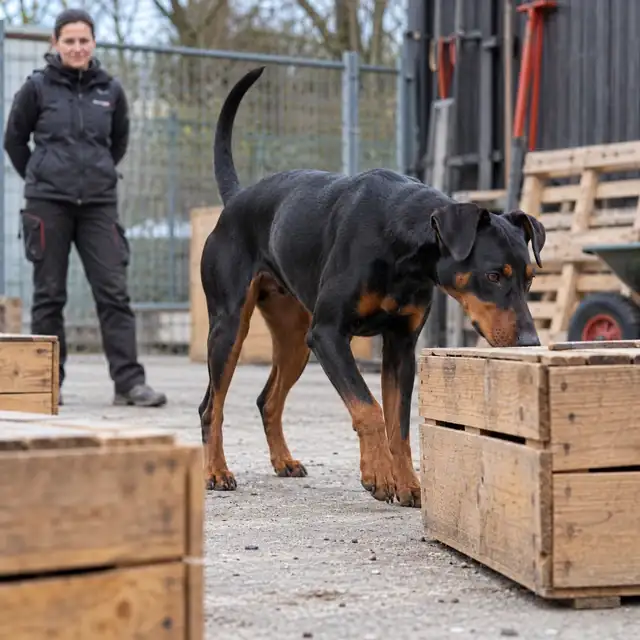
Early socialization and consistent upbringing are necessary. Tumuchy, energetic, so classes are short and interesting.
Smooth wool is wiped once a week. Claws are trimmed, ears are examined, teeth are cleaned.
Lively and active, so games with babies are supervised.
The rat hunting instinct is preserved, therefore small animals are prey. Gets along with dogs during socialization.
Estimates help compare breeds. For zooaggression, 5/5 means less tendency to aggression towards dogs. The behavior and health of a particular dog depend on many factors.
High score: attached to the family. Behavior depends on upbringing.
High score: passionate and energetic.
Average score: rat-catching instinct needs control.
There is no comparable survival estimate for the breed in the British cohort used. Among the described breed risks: hip dysplasia, von Willebrand's disease, eye diseases; examination of the parents is confirmed with the veterinarian.
High rating: short coat requires minimal maintenance.
Hip Dysplasia: The breeder is asked to confirm examinations of both parents. The puppy is not forced to make sharp jumps and long runs while the bones are growing. Lameness is shown to the veterinarian.
Von Willebrand's disease is a hereditary blood coagulation disorder that can manifest itself in prolonged bleeding. Diagnosed by analysis, breeders check the pair.
Eye diseases: it is worth planning regular visits to an ophthalmologist. With any changes in the eyes, such as cloudiness or excessive discharge, consult a doctor.