Human orientation
Very high rating: given to the owner. Behavior depends on socialization.
THE PAW CATALOG
Origin: Germany
Max von Stefanitz created the breed in Germany in 1899 based on traditional German shepherd dogs. In the same year, he acquired the dog Hector Linksrein, renamed it Gorand von Grafrath and founded the Society of German Shepherds: Gorand became the first dog in the breed book. Inbreeding was used to fix desired traits. In Great Britain, the breed was called "Alsatian" until 1977.
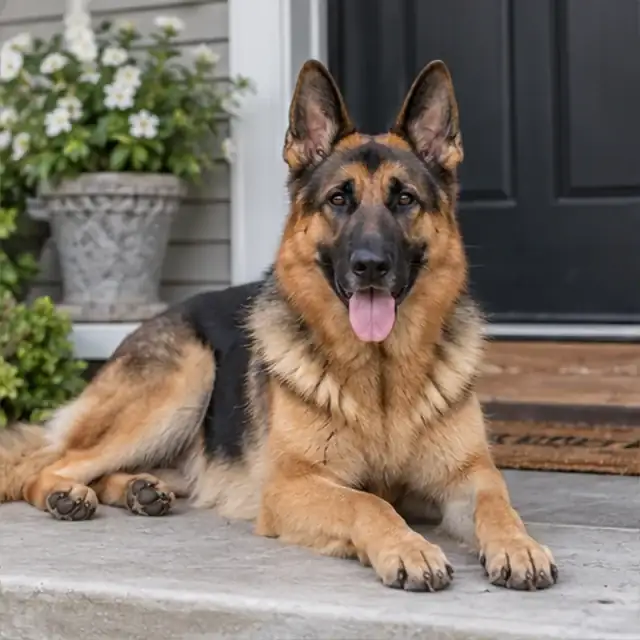
The German Shepherd is a versatile working dog (55-65 cm, 22-40 kg) with a double coat of medium to long length, usually black and tan or black and red with a black mask. Intelligent, obedient and loyal, protects the owner, mistrustful of strangers. Needs activity, socialization and joint supervision.

Suitable for active owners who have time for classes and work. At first they were shepherds, later sheepdogs were used in the police, search and rescue, army, security, detection of smells - drugs, explosives and others.
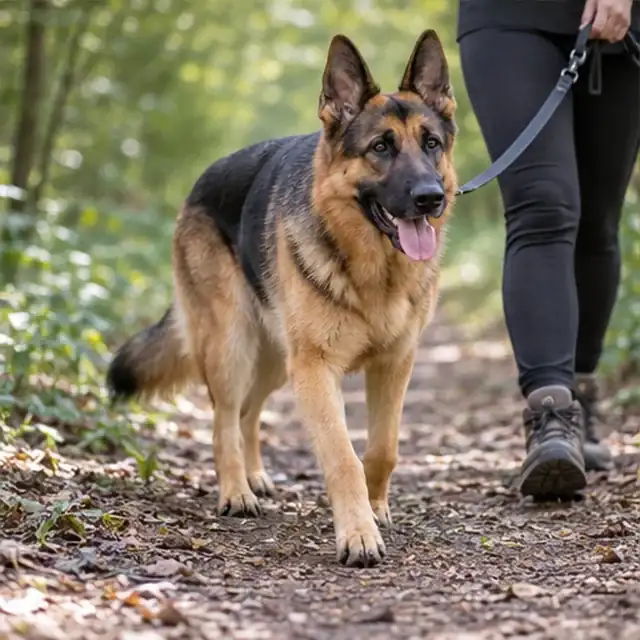
Moderately active, self-confident and inquisitive, but needs daily work, walks and mental tasks.
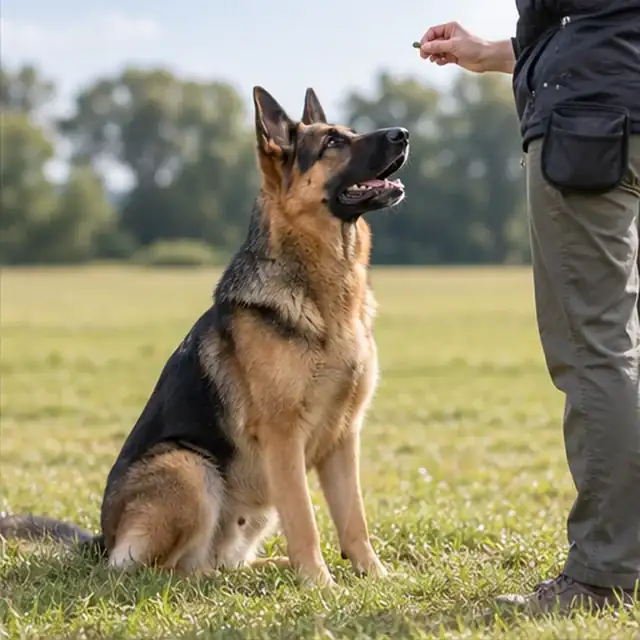
Smart and obedient, willing to work with the owner. Early socialization is mandatory: without it, the shepherd dog can become overly protective of its family and territory. Classes are structured and sequential.
The double coat is combed several times a week, during shedding every day. Ears are examined, nails are trimmed, teeth are cleaned.
Protects his own, usually gets along well with the children of the family. Due to strength and protective instinct, games with other people's children are supervised.
The herding instinct is preserved, so the dog can follow suit. Acquaintance with other animals takes place gradually, socialization from an early age helps.
Estimates help compare breeds. For zooaggression, 5/5 means less tendency to aggression towards dogs. The behavior and health of a particular dog depend on many factors.
Very high rating: given to the owner. Behavior depends on socialization.
Very high score: intelligent and obedient.
Average score: herding and protective instincts need socialization.
In the British cohort, the median lifespan of the breed was 11.3 years. Among the described birth risks: dysplasia of the hip joints, bloating or twisting of the stomach, degenerative myelopathy; examination of the parents is confirmed with the veterinarian.
Low rating: double coat, heavy shedding and need for activity.
Hip and elbow dysplasia is more common in large breeds. They ask for the results of examinations of both parents, do not overfeed, and show the lameness to the veterinarian.
Degenerative myelopathy is a progressive lesion of the spinal cord that gradually leads to weakness of the hind limbs. Caused by SOD1 gene mutation; there is a DNA carrier test.
Heart diseases are detected during routine examinations at the veterinarian. New fatigue, cough or shortness of breath require examination.
Dysfunction of the thyroid gland is manifested by weight gain, lethargy and changes in the skin. Diagnosed by a veterinarian based on tests.