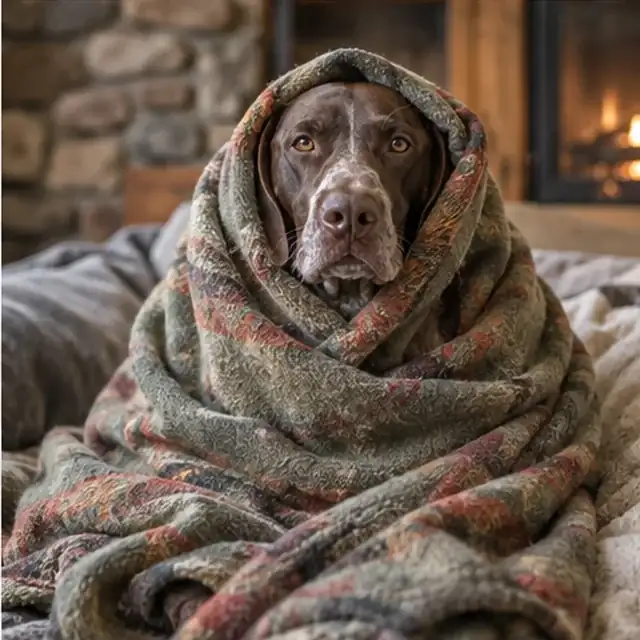
Human orientation
High score: attentive, friendly, devoted. Behavior depends on upbringing.
THE PAW CATALOG
Origin: Germany
It probably developed from the German ligavy, to which the Spanish and French ligavy were added in the 17th century. It was used for fishing with nets, often together with falconry, in Mediterranean countries. In the middle and late 19th century, Prince Albrecht zu Solms-Braunfels improved it to a universal hunting dog.
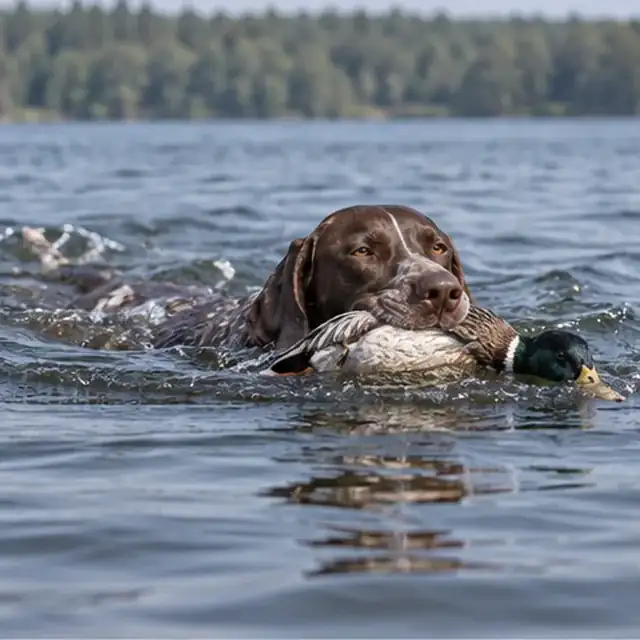
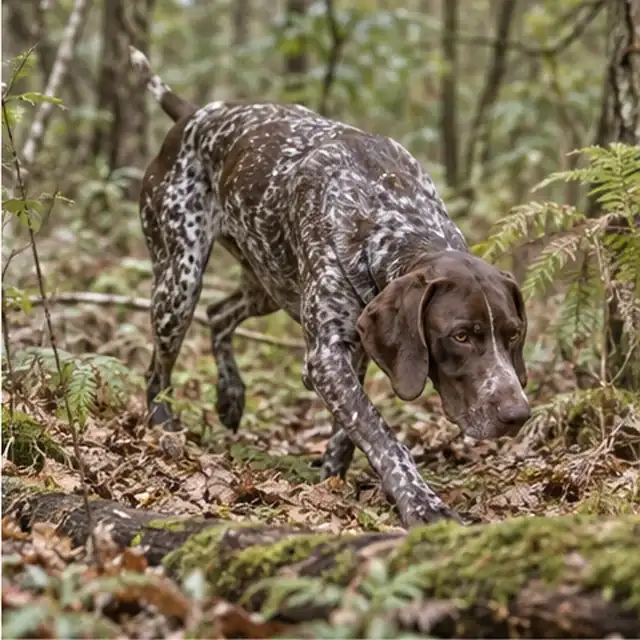
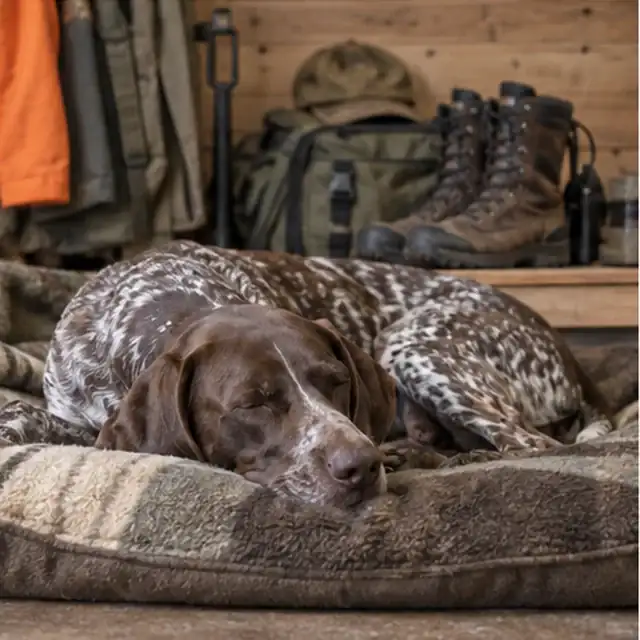
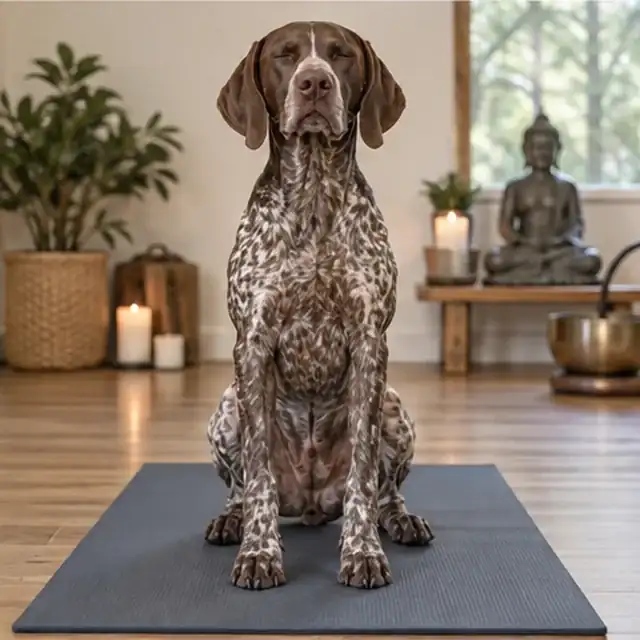
The German Kurzhaar is a medium-large (58-66 cm) versatile hunting dog with a short, thick, water-repellent, hard coat that is solid brown or black or with white and mottled markings. Balanced, intelligent, friendly and very energetic. Needs lots of exercise and early socialization with small animals.
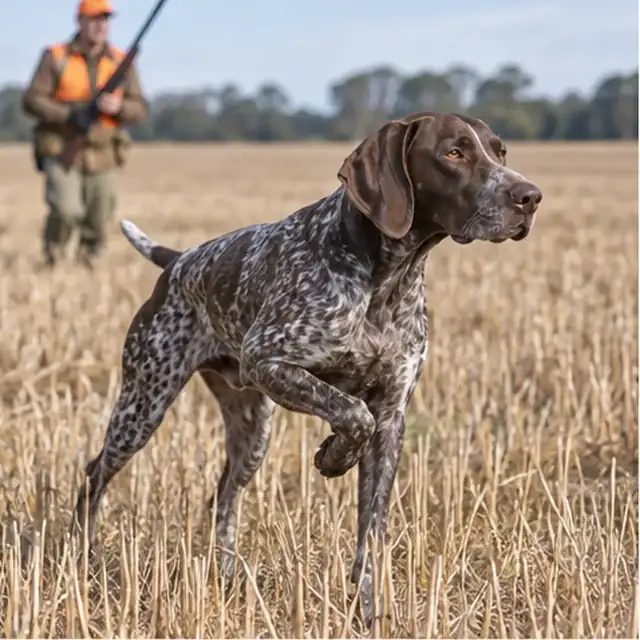
Suitable for active owners, hunters and sports enthusiasts. Not for a sedentary life in an apartment.
Very high: hiking, long walks, fetching, running and swimming; likes to do sports.
Balanced, intelligent, willing to please, so it is relatively easy to learn. Many young dogs have a strong hunting instinct, so early socialization with small animals is a must.
Regular brushing, bathing as needed, trimming of claws, checking of ears. Wool is lazy all year round.
Attentive, friendly, devoted, usually gets along well with children. Energetic games under supervision.
The hunting instinct is strong, so small animals and birds are prey. Usually gets along with dogs.
Estimates help compare breeds. For zooaggression, 5/5 means less tendency to aggression towards dogs. The behavior and health of a particular dog depend on many factors.
High score: attentive, friendly, devoted. Behavior depends on upbringing.
High score: intelligent and willing to please.
Average score: hunting instinct needs socialization.
In the British cohort, the median lifespan of the breed was 13.4 years. Among the described breed risks: dysplasia of the hip joints, progressive retinal atrophy, bloat or twisting of the stomach; examination of the parents is confirmed with the veterinarian.
Average score: short coat is easy, but the dog needs high activity.
Dysplasia of the hip joints: the results of examinations of both parents are requested. The puppy is not forced to make sharp jumps and long runs while the bones are growing. Lameness is shown to the veterinarian.
Progressive retinal atrophy is a hereditary eye disease that gradually leads to vision loss. There are DNA tests for many breeds, so kennels are vetted.
Bloating or twisting of the stomach is a life-threatening condition. They feed in small portions, avoid loads before and after meals, and immediately go to the veterinarian at the first signs.
Heart diseases are detected during routine examinations at the veterinarian. New fatigue, cough or shortness of breath require examination.