Human orientation
Medium-high rating: devoted to family. Behavior depends on upbringing.
THE PAW CATALOG
Origin: Germany
In the 1880s, German hunters recreated the ancient universal Stober dog, known since 1719. The Wachtelhund ("quail dog") was created by crossing the remnants of Bavarian spaniels and other spaniels. The breed was officially recognized in Germany in 1903, UKC in 1996. Dogs came to the USA in the late 1960s.
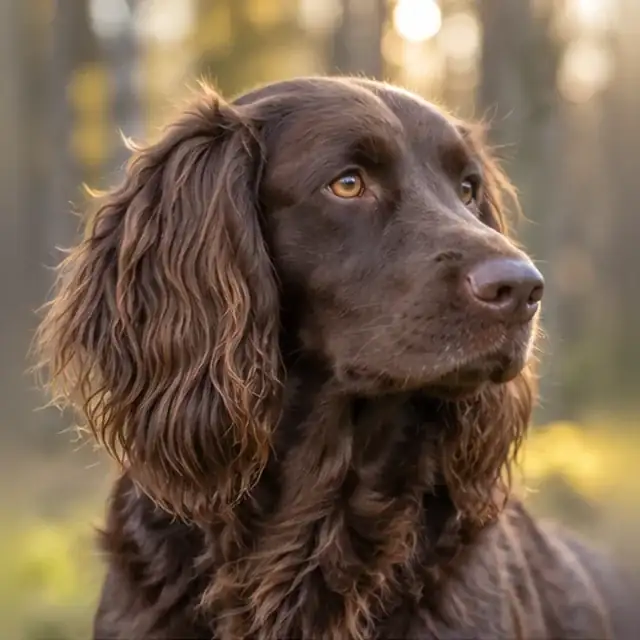
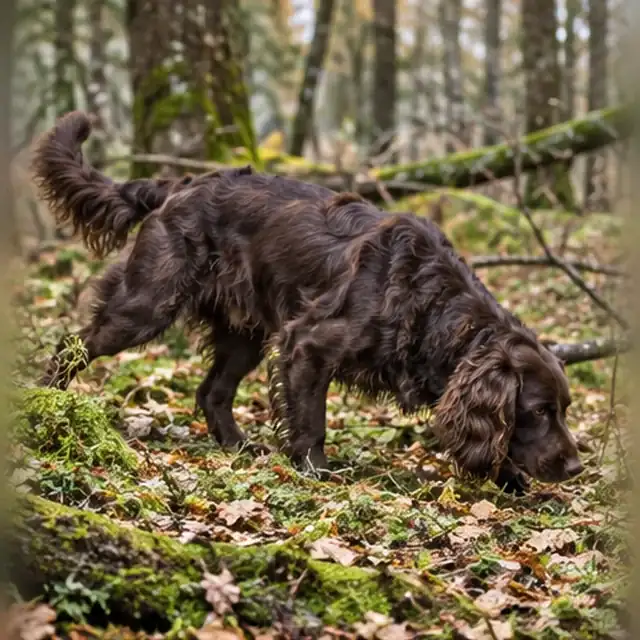
The German Watchdog is a medium (43-54 cm, 20-30 kg) versatile hunting spaniel with wavy or curly dense brown or mottled fur. Lively, loyal and very hunting. Needs a lot of movement and work.
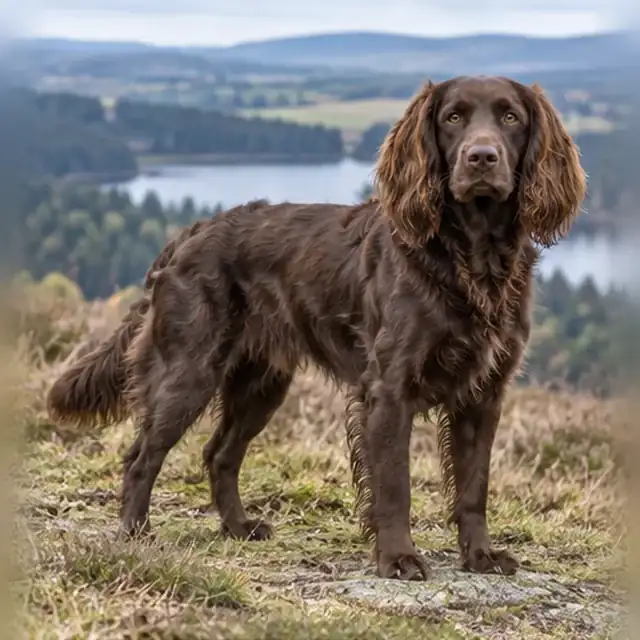
Suitable for hunters and very active owners. Likes to live at home near people, not alone. It's boring without hunting and movement.
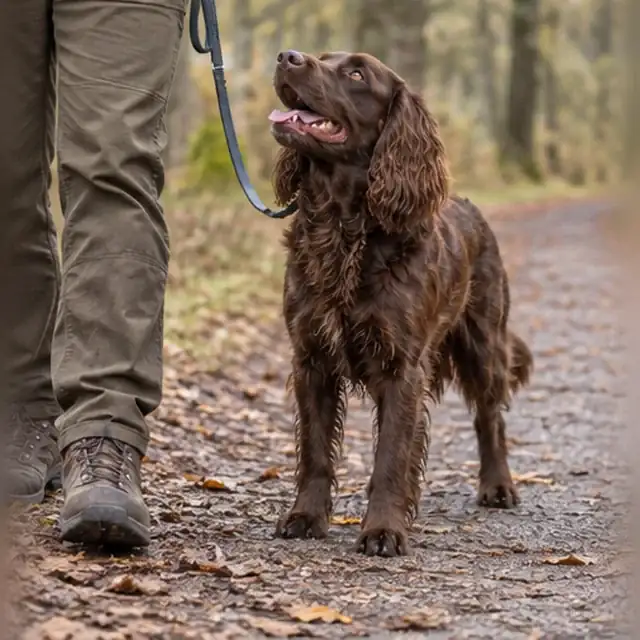
High: daily long walks, running, swimming, sniffing and retrieval work.
Willing to learn, but inclined to work independently. Early socialization and consistency are beneficial, but a hunter's fear of water and gunfire is undesirable.
Wavy wool is combed 2-3 times a week. After hunting and water, the ears are dried and examined, the claws are trimmed, and the teeth are cleaned.
Devoted to family, lively. Vigorous games with children are supervised.
A hunter who hunts waterfowl, hare, fox and wild boar, so small animals are prey. Usually gets along with dogs.
Estimates help compare breeds. For zooaggression, 5/5 means less tendency to aggression towards dogs. The behavior and health of a particular dog depend on many factors.
Medium-high rating: devoted to family. Behavior depends on upbringing.
Medium-high rating: willing to learn, but independent.
Average score: hunting instinct needs control.
There is no comparable survival estimate for the breed in the British cohort used. The absence of the mentioned risk does not prove the absence of hereditary diseases.
Average score: Wavy coat needs regular brushing.
Pedigree Screening: There is little reliable data on hereditary diseases of the German Wachtelhund breed, so the results of examinations of both parents should be requested in writing.
Musculoskeletal system: growth, weight and load of the breed "German Wachtelhund" should correspond to the age. Pain, lameness, or reluctance to move require a veterinary examination.
Eyes and heart are checked during routine examinations. Narrow examinations, for example by an ophthalmologist or a cardiologist, are prescribed as needed.