Human orientation
High score: attentive and reliable. Behavior depends on upbringing.
THE PAW CATALOG
Origin: Germany
At first it was a cattle drive for South German farmers. Presumably descended from local herding dogs crossed with the Standard Schnauzer, possibly other breeds. Later he worked as a watchman, a policeman and a military dog.
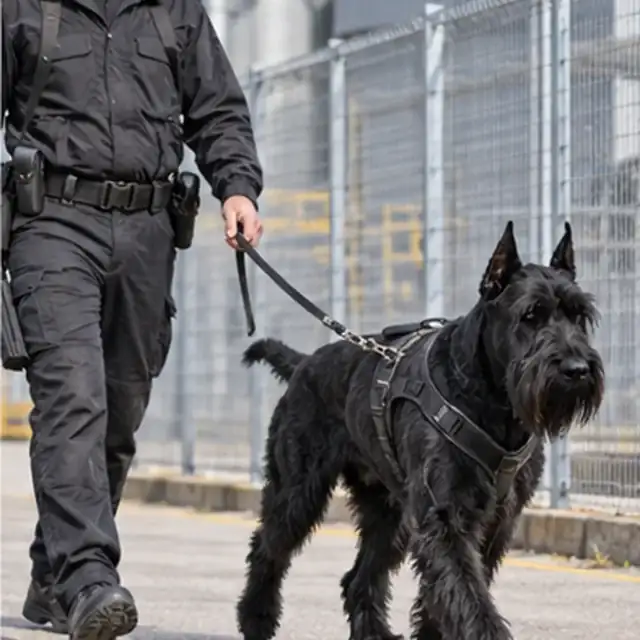
The Giant Schnauzer is the largest of the three Schnauzers, 60-70 cm, powerful and square-built with a stiff coat, beard and eyebrows. Attentive, trainable, reliable; he is reserved with strangers, but confident. It requires daily exercise, work and regular trimming.

Suitable for active owners with experience. Needs daily tasks and space; bored with nothing to do.
High: various tasks, speed and endurance, daily walks.
Clever and reliable, a quick learner. Early socialization and consistent training with rewards is a must.
Double hard wool: it is trimmed with scissors on the legs, beard and eyebrows, the rest is cleaned by hand (trimming). Many owners choose a professional haircut. Between visits, the coat is combed regularly, bathed from time to time.
Generally reliable, but due to size and strength, games with children are supervised.
Restrained to other people's dogs. Dating is careful, socialization is needed.
Estimates help compare breeds. For zooaggression, 5/5 means less tendency to aggression towards dogs. The behavior and health of a particular dog depend on many factors.
High score: attentive and reliable. Behavior depends on upbringing.
High score: smart, educated.
Average score: reserved towards other dogs.
In the British cohort, the median lifespan of the breed was 12.1 years. Among the described breed risks: hip dysplasia, thyroid dysfunction, autoimmune diseases; examination of the parents is confirmed with the veterinarian.
Low rating: Stiff coat needs trimming.
Dysplasia of the hip joints: the results of examinations of both parents are requested. Excess weight increases the load on the joints, so the puppy should not be overfed. If the dog is limping or reluctant to get up, it is examined by a doctor.
Dysfunction of the thyroid gland: hormones are checked for inactivity, weight gain, and skin problems.
Autoimmune diseases: unexplained skin disorders, weight loss or weakness require veterinary examination. Ask the breeder for the health history of the ancestors.
Eye diseases: it is worth planning regular visits to an ophthalmologist. Redness, cloudiness or excessive tearing are not ignored. The results of the eye examinations of the parents are requested from the breeder.